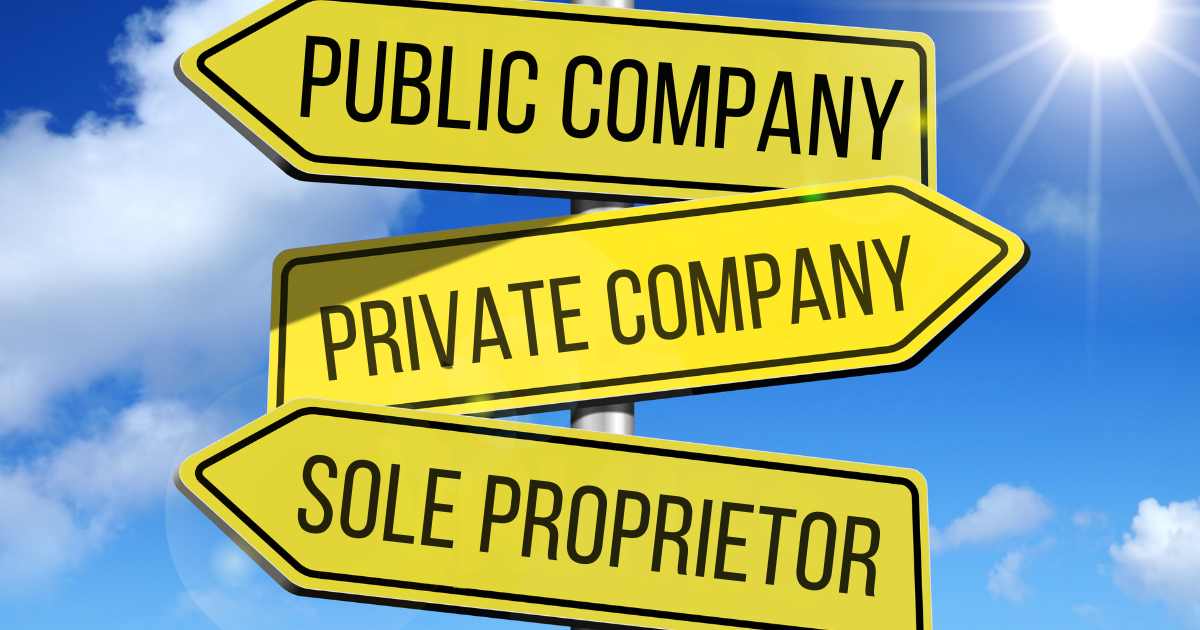
South Africa offers several distinct legal structures for starting a business, and each carries genuinely different implications for personal liability, tax treatment and administrative burden, which makes choosing the right one at the start more consequential than it might initially seem.
These are the main structures and what genuinely differentiates them.
Sole proprietorship and partnership
A sole proprietorship is the simplest structure, with no legal separation between the owner and the business, meaning personal assets are directly exposed to business liabilities and debts.
A partnership extends this same lack of separation to two or more people, and our guide to the real benefits of a partnership agreement covers protecting this specific arrangement properly.
Private company
A private company, registered through the Companies and Intellectual Property Commission, creates a genuine legal separation between the owner and the business, protecting personal assets from business liabilities in most circumstances.
Our guide to setting up a private company covers this specific, most commonly used structure in full detail.
Non-profit and other specialised structures
A non-profit company suits an organisation whose primary purpose is not generating profit for owners, with its own specific registration and governance requirements distinct from a standard private company.
Cooperatives and other specialised structures exist for specific circumstances, such as a group of members pooling resources collectively, each with their own governance and registration requirements.
Choose based on your actual circumstances, not just simplicity
The simplest structure to set up isn’t always the right one; liability protection, tax treatment and how the business plans to raise funding or bring in partners later all genuinely affect which structure fits best.
Get advice from an accountant or attorney before registering, since restructuring later, while possible, is more complex and costly than choosing correctly from the start.
Frequently asked questions
What is the simplest business structure in South Africa?
A sole proprietorship, though it offers no legal separation between the owner and the business, exposing personal assets directly.
What does a private company structure actually protect?
It creates genuine legal separation between the owner and the business, protecting personal assets from business liabilities in most cases.
When does a non-profit company structure make sense?
When the organisation’s primary purpose is not generating profit for owners, with its own distinct registration and governance requirements.
Should the simplest structure always be chosen?
Not necessarily. Liability protection, tax treatment and future funding plans all affect which structure genuinely fits best.
Should structure choice be made without professional advice?
No. Restructuring later is more complex and costly than choosing correctly from the start, with proper accounting or legal advice.
Further reading
Originally published in 2024. Updated September 2026 into a clearer comparison of company structures available when starting a business in South Africa.