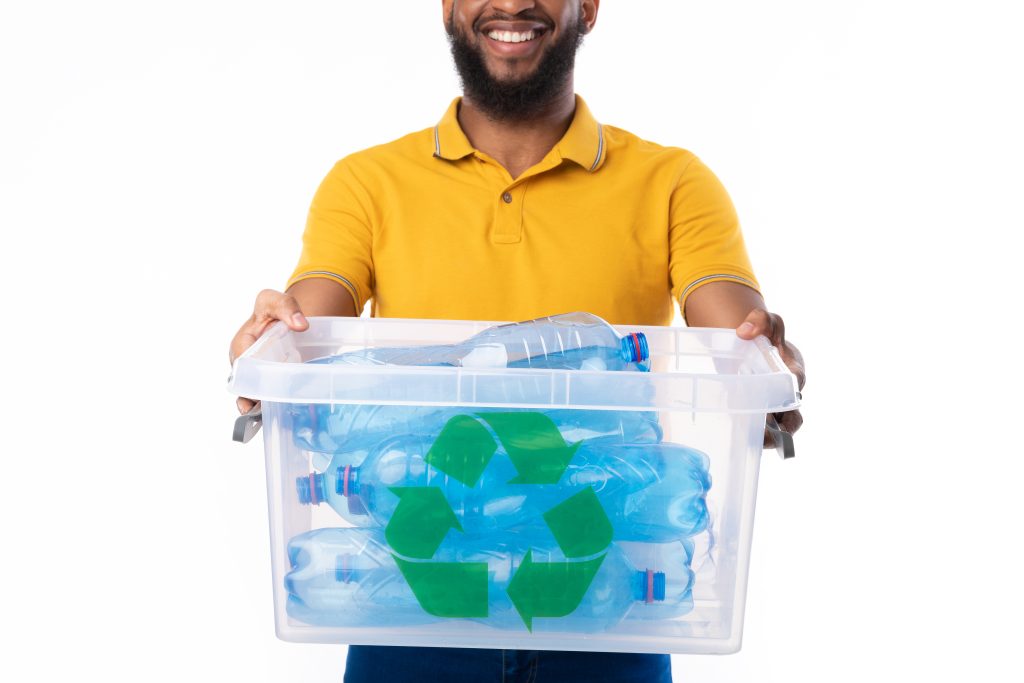
Starting a recycling business is a genuine entry point for entrepreneurs looking for social and environmental impact alongside a real income, and it remains one of the more accessible township and rural business ideas since it is relatively cost-efficient to set up.
You may not think of a recycling business as an obvious entrepreneurial venture, but South Africa’s recycling sector is a genuine success story by international standards, and the country’s constant supply of waste means there is always room for another operator.
Recycling industry overview
South Africa’s paper recycling rate has climbed to over 63%, with roughly 1.2 million tonnes of paper and packaging diverted from landfill every year through mills and a nationwide network of collectors. Plastics recycling has also kept growing, with total plastics recycled increasing to around 485,000 tonnes recently. Across all packaging types, glass, paper, metal and plastic combined, just under 60% of what the country consumes is currently collected for recycling or other recovery.
South Africa’s recycling sector is still largely informal, which is exactly why it offers a genuine income opportunity for entrepreneurs willing to formalise even a small part of the collection chain.
The regulatory environment has tightened in recent years too, with stricter waste management rules around packaging and, specifically for scrap metal, new registration and reporting requirements for both buyers and sellers under recent amendments to the Second-Hand Goods Act. For an entrepreneur entering the sector properly, this is generally good news, since it raises the barrier for informal, unregistered competition.
Starting a recycling business in South Africa
Begin by identifying an area with a genuine volume of waste that is not being properly disposed of, ideally with limited existing competition. This has a real positive environmental impact alongside being a viable way to earn an income without heavy capital or specialist experience.
Work out the budget and equipment you actually need, a collection vehicle, sorting tools, and wages if you plan to bring on staff. Once you have this mapped out, draw up a proper business plan setting out your requirements and how the business will operate day to day.
A solid business plan also helps you access funding. Various government incentives and small business development programmes support new recycling operations specifically, so it is worth checking current eligibility before assuming you need to self-fund entirely.
Decide early where you will base operations, how you will find clients, and, importantly, how you will actually monetise the business. Options include charging individuals or businesses to collect their recycling, selling scrap metal, or repurposing waste into new products yourself. If scrap metal is part of your plan, budget time for the registration and monthly reporting now required under the updated Second-Hand Goods Act rules.
Scaling is genuinely achievable here: many recycling businesses start with a single person, some collection bags and a bakkie or trolley, then reinvest in more vehicles and staff as demand grows.
Industry challenges
Contamination is a real, ongoing problem, non-recyclable materials end up mixed into recycling bags, undermining the value of an otherwise good collection. Depending on your area, reliable access to waste disposal and recycling plants can also be inconsistent.
Small recycling operators compete directly with large, established recycling companies, which can make it harder to win and retain clients. Profitability also depends heavily on volume, margins per load are often slim, so a business that cannot handle real scale can struggle to hit meaningful targets.
Frequently asked questions
Is recycling a profitable business in South Africa?
It can be, but profitability depends heavily on volume, since margins per load tend to be thin. A business built to scale collection, rather than one relying on small, occasional loads, has the better shot at genuine profitability.
What is the easiest way to start a recycling business with limited capital?
Many operators start with just a person, some collection bags, and a bakkie or trolley, then reinvest in additional vehicles and staff as the client base and collection volume grow.
Do I need to register a scrap metal recycling business?
Yes. Recent amendments to the Second-Hand Goods Act require both buyers and sellers of scrap metal to register with SAPS, alongside monthly reporting obligations, so factor this into your plan before you start trading in scrap metal specifically.
What is the biggest challenge facing small recycling businesses?
Contamination of recyclable materials and competition from large, established recycling companies. Consistent access to waste disposal and recycling plants can also be a genuine constraint depending on your location.
Can a recycling business genuinely scale over time?
Yes. It is one of the more scalable business ideas in this space, many operations start with a single collector and grow into a fleet-based business as demand and volume increase.
Before you start
Target an area with a genuine waste-management gap, build a realistic plan for managing and monetising what you collect, and confirm current registration requirements, especially if scrap metal is part of your plan, before you take on your first client. With the right area and a properly managed operation, recycling remains a genuinely accessible and profitable business to start in South Africa.
Originally published in July 2022. Updated September 2026 to reflect current recycling rates and the updated Second-Hand Goods Act scrap metal rules. Regulations shift, so confirm current registration requirements directly with SAPS and ITAC.