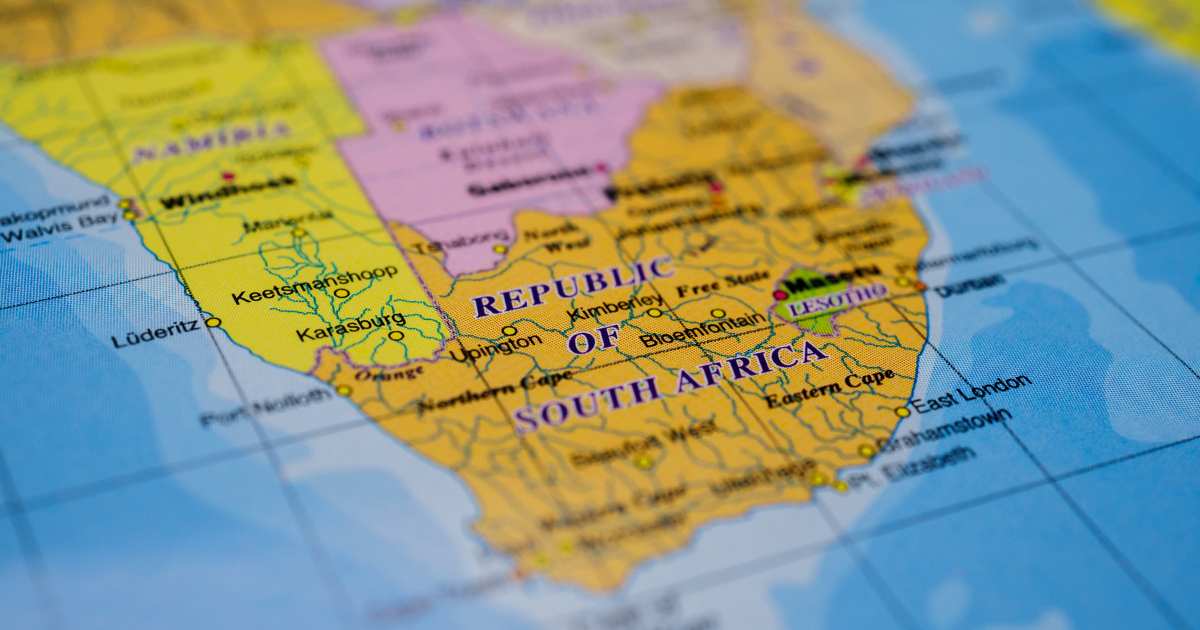
Small to medium-sized enterprises (SMEs) have a lot of regulations and laws they must comply with. From business registration with the Companies and Intellectual Property Commission (CIPC), tax registration with the South African Revenue Services and the various sector-specific regulatory bodies. Among these regulations are business licenses and zones that require provincial-level licenses.
What is a Business License?
A business license in South Africa is a permit issued by a local municipality that allows a business to legally operate in a specific location and comply with health, safety, and other regulations. This license is a legal requirement for most business activities, particularly those involving food, health, or entertainment, and ensures adherence to government standards.
Provincial licenses are those provided at a provincial level. Each province has its own regulations, so it’s important to consult with the respective provincial authority to determine the specific licenses you need.
In this article, we look at the new proposed business license bill, the provincial license process for Gauteng, Western Cape and KwaZulu-Natal (KZN) and what SMEs need for license applications.
New Business Licensing Bill
Earlier this year, the South African government gazetted a draft Business Licensing Bill. Key proposals of the Bill include:
1. Business Registration
Under the draft Bill, all businesses operating in South Africa will need to register in a national licensing system. The purpose of the system is to replace the Business Act of 1991 with a centralised and uniform registration and licensing framework.
2. Validity and Renewal of License
The Bill proposes a business license that would be valid for five years, after which each business must apply for renewal. Municipalities will be required to process licence applications within 30 days, with a possible extension of 14 days in special cases.
3. Broad Inspection Powers
Inspectors will have greater responsibility under the new Bill. They could demand proof of license, issue fines, or confiscate goods if the business is found to be in violation of the Bill or other relevant laws.
Provincial Business Licenses
When it comes to provincial business licenses, each province has its own set of rules in terms of applying and the licenses it provides. Today, we are going to look at Gauteng, the Western Cape and KwaZulu-Natal business license processes.
Gauteng Provincial Business Licenses
In Gauteng, if you are a hawker who sells food and meals, you will need to apply for a licence from the city’s Trade Licence department. Additionally, you will need to pay a once-off fee. Once you have sent in your application, it will be forwarded to five departments to check if the following requirements are met:
- Environmental health
- Noise and air pollution control
- Public safety
- Urban planning
- Building control
Any needed inspections will be carried out by the relevant departments. Once all departments have returned favourable reports and recommend approval, your trade license will be issued.
What types of businesses must apply for licences in Gauteng?
- Food businesses· Turkish baths, saunas and health baths
- Massage or infrared treatments
- Male and female entertainment professionals
- Three or more slot machines and electronic games; three or more snooker or billiard tables
- Nightclubs and discotheques, where live or loud music is played
- Cinemas and theatres
- Adult premises
Applying for a licence
- Complete an RP1 form, which can be downloaded or collected from one of the regional offices.
- In case of a company, close corporation or partnership, a copy of the company certificate and list of directors is required.
- Identity documents for all directors and partners, including those of the manager or person in charge.
- Copy of liquor licence (if applicable)
- Copy of food menu (if applicable)
- Copy of SARS tax certificate
- Copy of approved building layout plan
- Zoning certificate
SMEs must know that a trade licence or application cannot be transferred with a change of ownership. A business licence can be withdrawn or suspended if there is a failure to comply with the endorsements. SMEs can access the Gauteng government licence tariff list on their portal.
Western Cape Provincial Business Licences
In the Western Cape province, business licences are required for businesses that need to comply with health and safety regulations. Licences are required for the following businesses:
- Making or selling food which can go off
- Health or entertainment activities (including businesses offering saunas, massages, snooker, billiards, slot machines, night clubs, and cinemas).
Depending on the type of business, you may need to comply with the following requirements:
- Zoning
- Health
- Safety (particularly fire)
If you comply with all the requirements, you will be issued a licence. If not, you can apply for a 14-day grace period, during which you can make changes to your premises so that they meet the requirements.
Apply for a Business Licence in the City of Cape Town
All businesses in the City of Cape Town must apply for a business licence if their operations include the sale or supply of meals, if they offer health or entertainment services, or if meals are being hawked (e.g. hot dogs, hamburgers, etc).
There are three categories of business which dictate the price paid for the licence. They are:
- Category 1: Sale and supply of meals — R25
- Category 2: Health and entertainment — R25
- Category 3: Hawking meals — R10
The list of businesses that require a licence is the same in the Western Cape as it is in Gauteng.
How to Apply
Step 1: Download and complete the Business Licence Application form. The form can be downloaded.
Step 2: The following completed forms may be required when applying for a non-hawker business licence:
- A Land Use Clearance Certificate.
- A Population and Clearance Certificate, which is obtained after a fire inspection.
- A copy of an approved building plan of the interior of the premises.
- A Certificate of Occupancy.
- An application for Certificate of Acceptability.
When applying for a health and entertainment licence, a clearance certificate from the South African Police Service (SAPS) will be required. This can be applied for at your nearest police station. For adult film business operations, please include a clearance issued by the Film and Publications Board. Additionally, you will need to attach a certified copy of the business owner’s ID and a certified copy of the managing director’s or main staff member’s ID.
Step 3: Submit your documents to the nearest Environmental Health Office. You will be issued with a printed instruction to make a cash payment for the licence.
Step 4: Take the receipt from that payment back to the Environmental Health Office. Your information will then be captured electronically and submitted, along with your forms, to the relevant parties for comment.
Step 5: Once comments have been approved, the city will contact you about whether your application was accepted or rejected. If you comply with all the requirements, you will be issued a licence. If you do not comply, you can apply for a 14-day grace period to make the necessary changes to your premises so that they meet the requirements.
KwaZulu-Natal Provincial Business Licences
In KZN, business licenses are issued by municipalities, not the provincial government directly. The provincial government’s role primarily involves overarching policy and regulation, such as the proposed KwaZulu-Natal Business Bill. The Bill proposes the establishment of an integrated and modern provincial regulatory framework that unifies the licensing of both formal and informal businesses.
Ethekwini (Durban) Municipality Business Licence
Under the Ethekwini Municipality, licences are valid for as long as the business is in operation and are renewable once a year by the end of January. Much like the other two provinces – Gauteng and Western Cape – KZN makes licences a strict requirement for food and entertainment and healthcare-based businesses.
Application Forms
- 2025 EThekwini Municipality Lions’ Den Business Plan Competition Application Form
- Certificate of Acceptability for Food Premises
- Business Licensing Application Form
- Annual Notification Form
- Fire Event Food Stallholder Application Form
- Business License Checklist 2024
- Landlord’s consent form
Please note that business license renewals, new applications, duplicate license applications and amendments can also be completed online via eThekwini’s eServices on https://eservices.durban.gov.za/v2/.