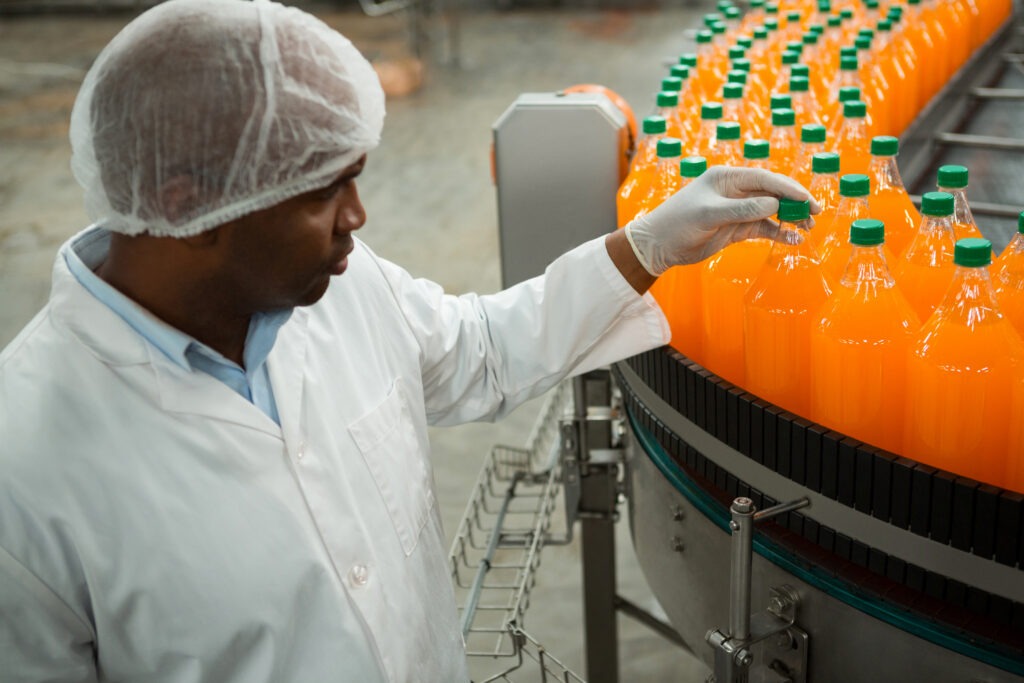
Batch production means manufacturing a fixed quantity of a product in one run before starting the next, rather than making one at a time or running the line continuously. It sits between one-off custom manufacturing and full continuous production, and it is the right choice for most small and growing manufacturers.
This guide covers how it actually works, when it makes sense, and the disadvantages worth planning around before you commit to it. If controlling what a production run actually costs is the bigger question, our guide on manufacturing cost control strategies for SMEs covers that directly.
How batch production actually works
You decide a batch size and a schedule, then produce that quantity as a discrete run. The current batch has to finish before the next one begins, which is the key difference from continuous production, where output never stops.
Because each batch is a distinct run, you get a natural checkpoint to inspect quality, adjust the process, or change a specification before the next batch starts. That checkpoint is where much of the value sits: continuous production makes it expensive to catch and fix a fault mid-run, while batch production builds the pause in by design.
It suits seasonal products, items with a limited shelf life, and any product where demand does not yet justify running a line continuously.
What it actually saves you
Lower upfront cost. Machinery does not have to run constantly, and bulk ordering ingredients or materials for a batch cuts unit cost compared with ordering for single units.
Better quality control. A fault caught in a 500-unit batch affects 500 units. The same fault in a continuous run keeps affecting output until someone notices and stops the line, by which point the damage is larger and harder to trace back to its cause.
Room to adjust between runs. You can refine a recipe, a formulation or a process step after reviewing one batch and before the next, which continuous production makes far more disruptive to do.
Lower waste from a failed product. If a batch does not sell, you stop there rather than having committed to an ongoing production schedule for something the market has already told you it does not want.
What it costs you
Downtime between batches. The changeover between runs, cleaning, resetting, reconfiguring, is time the line is not producing anything, and it adds up across many batches.
Storage. Producing in batches often means holding more finished stock at once than a just-in-time continuous line would, which needs space and ties up cash in inventory sitting on a shelf. If the equipment itself is the barrier to starting, financing options are covered in our guide to manufacturing equipment financing.
No customisation within a batch. Every unit in a batch is identical. If your business model depends on made-to-order customisation, batch production works against you rather than for you.
Where batch production is used in practice
Food and beverage production, cosmetics and personal care, pharmaceuticals, and printing all rely heavily on batch methods, because each of these industries deals with formulations, recipes or specifications that genuinely benefit from being tested and refined between runs rather than locked into a continuous process from day one. A small manufacturer in any of these categories is choosing a method the larger players in the same industry already use for the same reasons.
Getting the batch size right
Too small and the changeover cost eats your margin, because you are paying for downtime too often relative to what each run produces. Too large and you tie up cash in stock that is not selling, and risk producing more of something the market’s taste has already moved past.
Start with demand forecasting rather than production capacity. Work out what you can realistically sell in the period between batches, size the batch to that, and adjust as actual sales data comes in rather than sticking with the number you guessed at the start.
Quality control between batches
The checkpoint batch production gives you is only valuable if you actually use it. Inspect a sample from every batch before it goes to market, record what you find, and feed it back into how the next batch is run. A business that treats each batch identically without reviewing the last one is giving up the main advantage this method has over continuous production.
Frequently asked questions
Is batch production suitable for a small manufacturer just starting out?
Usually yes. The lower upfront commitment and the built-in review points make it easier to manage than continuous production while you are still learning your actual demand.
How do I decide on batch size?
Base it on demand between production runs rather than on machine capacity. Start conservative, and adjust once you have real sales data rather than a forecast.
What is the main difference between batch and continuous production?
Continuous production never stops between units. Batch production produces a fixed quantity, then stops before the next batch begins, which creates natural checkpoints for quality control.
Does batch production work for custom or made-to-order products?
Not well. Every unit within a batch is the same, so a business built around per-customer customisation needs a different production model.
What is the biggest hidden cost of batch production?
Storage. Holding finished stock between selling periods ties up cash and space that a continuous or just-in-time model would not require.
Where to start
Work out your realistic demand for the period between production runs, size your first batch to that rather than to what your equipment can handle, and build in an inspection step before every batch ships. That single habit is what separates batch production done well from batch production done on autopilot.
This article was updated in September 2026.