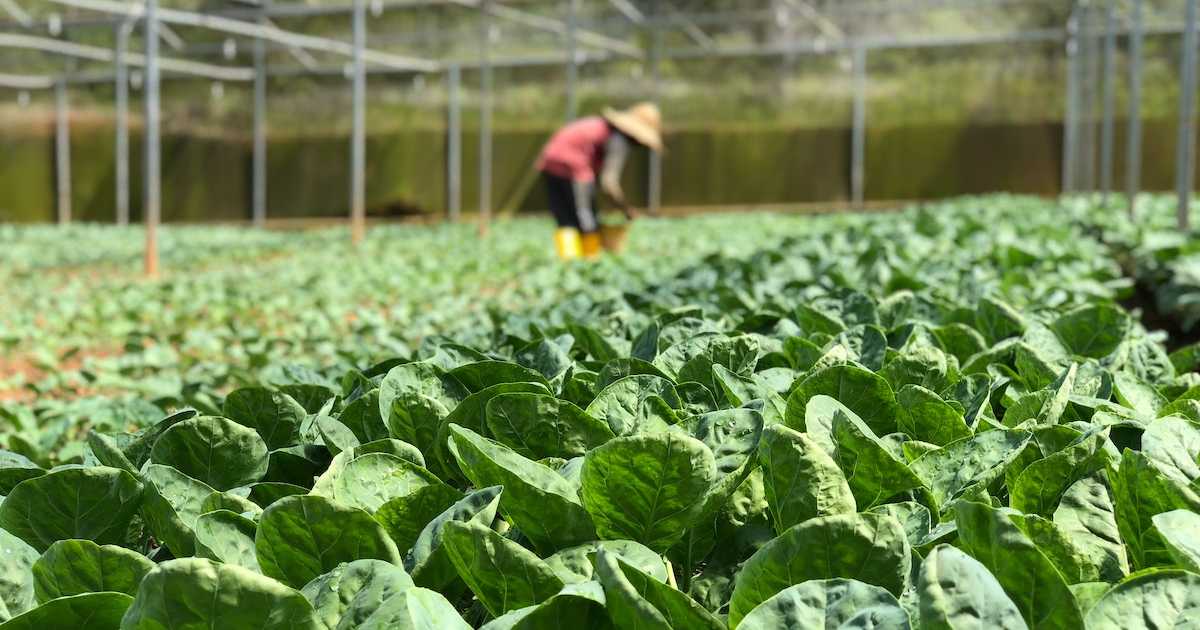
Last updated: September 2026. Crop farming in South Africa is decided before planting, by four things: whether you have secure access to land, whether you have water, which crop suits your climate and soil, and who is going to buy the harvest. Getting the crop choice right for your region matters more than how hard you work, because a crop fighting its environment consumes inputs and still underperforms.
Land: secure it properly before spending
You need more than access. You need a right you can rely on for long enough to recover what you invest, which means ownership, a registered long lease, or a properly documented communal land arrangement. Improving land you may lose in two seasons is how people lose money in farming.
Confirm the zoning permits agriculture and check the history of the land: what was grown, what chemicals were used, whether it has been rested. A soil test before your first season costs very little against the cost of discovering the problem after harvest.
Water is the binding constraint
Much of the country is water-scarce and rainfall is unreliable across large parts of it. Decide early whether you are dryland farming, which is cheaper and far more weather-exposed, or irrigating, which is more reliable and needs both capital and a lawful water supply.
Water use for irrigation generally requires authorisation. Taking water from a river, dam or borehole without the correct entitlement is unlawful and it is also a risk to the business, because an enforcement action mid-season can end a crop. Establish your water rights before you plan around irrigation, not after.
Choose the crop for the region, not the price
Maize, wheat, sunflower, soya, sugarcane, citrus, deciduous fruit, table grapes and vegetables all have well-established regions in South Africa, and those regions exist because of rainfall, temperature and soil.
Match the crop to your conditions first, then look at the market. Vegetables turn over quickly with several cycles a year, which suits limited capital but demands constant marketing and labour. Field crops need scale and machinery to be worthwhile. Tree crops and vines take years before the first meaningful harvest, so they need capital that can wait.
Provincial agriculture departments publish crop suitability guidance by region, and extension officers will advise on what performs locally. That advice is free and it is more reliable than a national average.
Know your buyer before you plant
The options are fresh produce markets, where prices move daily and you carry the risk; direct supply to retailers and processors, which pays better and requires consistency, volume and often food safety certification; informal and community sales, which are accessible but small; and export, which pays best and has the highest compliance bar.
Each of these wants something different in quality, volume and packaging. Decide which one you are farming for before you choose varieties, because a crop grown for a fresh market is not necessarily the crop a processor wants.
Budget for a full season, including the bad case
Crop farming spends heavily upfront and earns once. Seed, fertiliser, chemicals, fuel, labour and equipment all come before any income, and a single poor season from hail, drought, flooding or disease has to be survivable.
Work out the full cost per hectare, then ask whether you can fund it without selling the harvest forward at a poor price. Insurance is worth pricing for weather-exposed crops. Starting on a smaller area than you can afford is the standard advice from people who have farmed a long time, and it is right: one season teaches you your real yields and your real costs.
Compliance and funding
Register the business and keep annual returns current with the Companies and Intellectual Property Commission. Farming employs people, so labour obligations apply, and retailers will require food safety certification before they buy.
Agriculture is comparatively well served by development finance. The National Empowerment Fund supports entrepreneurs and women-owned ventures, the National Youth Development Agency covers under-35s, and provincial departments run their own schemes. Applications turn on secured land, water, a market and realistic yield assumptions rather than on enthusiasm.
Frequently asked questions
What decides which crop I should farm?
Your region’s rainfall, temperature and soil, confirmed by a soil test and local extension advice. Match the crop to the conditions before considering price.
Do I need permission to irrigate?
Generally yes. Taking water from a river, dam or borehole for irrigation requires the correct entitlement, and farming without it risks enforcement mid-season.
Is dryland or irrigated farming better to start with?
Dryland costs less and carries far more weather risk. Irrigated is more reliable but needs capital and lawful water access. The choice should follow your water position.
Which crops suit a small budget?
Vegetables, because several cycles a year turn capital over quickly. They need more labour and constant marketing than field crops.
Where should I sell?
Decide before planting. Fresh produce markets carry price risk, retailers and processors pay better but demand consistency and certification, and export pays most with the highest compliance burden.
How much land should I start with?
Less than you can afford, for one season. It gives you real yields and real costs, which is what any larger plan has to be built on.