Agribusiness covers any business built around agriculture, not just farming itself: machinery and equipment suppliers, seed and agrichemical manufacturers, agrotourism operators, food processors, and animal feed producers all count. South Africa’s agricultural sector is large and diverse enough to offer genuine entry points at very different scales of capital and risk, which is exactly why a clear plan matters before you commit.
This guide covers how to think through the decision properly, and the compliance side most guides skip.
What counts as agribusiness
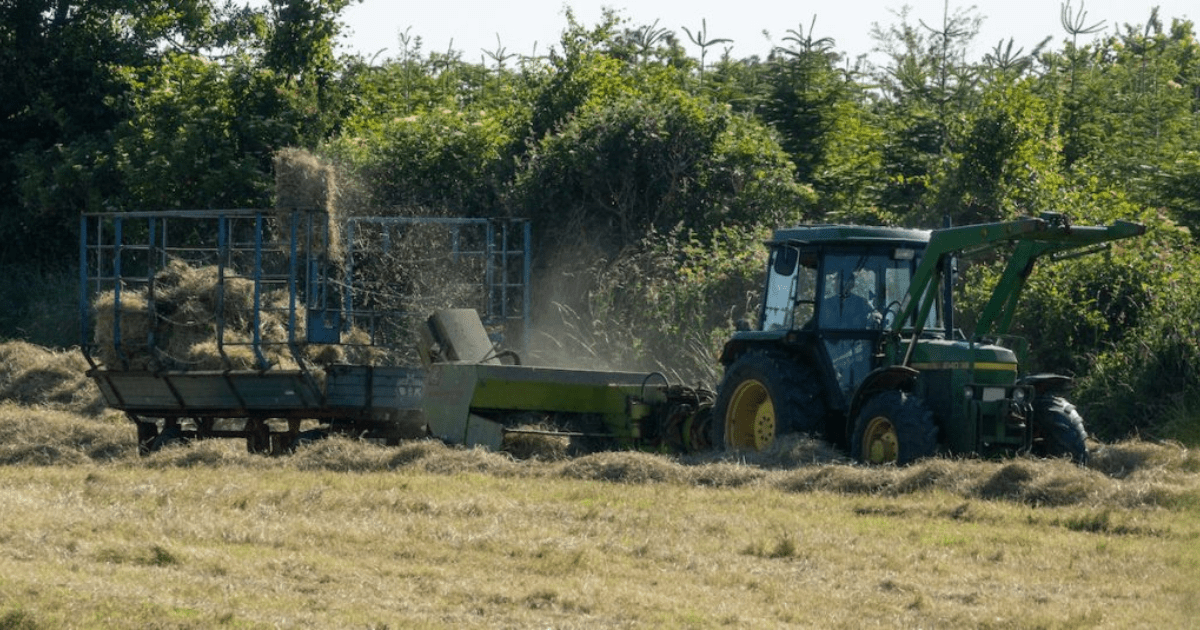
Traditional farming, crop or livestock, is only one slice of it. The wider category includes farm machinery and tractor suppliers, seed and agrichemical manufacturers, agrotourism ventures, food processing operations, and animal feed producers. Each of these has a genuinely different capital requirement, risk profile and route to market, so “agribusiness” is not one decision, it is several very different ones wearing the same label.
Getting the fundamentals right
Understand your specific climate and soil. South Africa’s climate varies enormously by region, and what grows well in one province can fail entirely in another. Confirm the specific conditions of your intended location before committing to a crop or livestock type, rather than assuming a general national pattern applies locally.
Do genuine market research. The sector is large, which means competition exists in most established categories. Understand your local market specifically, not the national picture, since agricultural demand and pricing vary considerably by region and by season.
Build a real business plan. Cover your financial requirements and capital needs, expected revenue and margins, your day-to-day operations plan, and how you will actually reach buyers. This is the document that both guides your own decisions and is what a funder will ask to see.
Secure appropriate financing. Agribusiness typically requires meaningful capital before generating any revenue, land, equipment, seed or stock, and the gap between spending and first income is often longer than in other business types. Confirm your funding covers you through that gap, not just the initial setup.
Start smaller than you think you should. Mistakes in agriculture are expensive, and they compound faster at scale. Build a track record on a manageable size before expanding, rather than committing to full scale on an unproven approach.
Compliance the old guides skip
Depending on what you farm or process, real regulatory requirements apply that a business plan needs to account for from the start rather than discover midway through operations.
Livestock farming requires compliance with the Animal Identification Act, including a registered mark and specific timelines for marking animals. Selling meals or perishable products, including at farm stalls or markets, can trigger business licensing and food safety requirements under the same framework that governs any food business. Certain agrichemical and feed manufacturing activities carry their own registration requirements separate from general business registration. Confirm which of these applies to your specific agribusiness before you start trading, since a licensing gap discovered after you are operational is a far more expensive problem than planning for it upfront.
Where the demand actually sits
Grain remains one of the largest categories, contributing a substantial share of total agricultural production value, alongside a large livestock sector. Beyond the largest categories, real demand exists in macadamia nuts, poultry, pig farming, oilseed and wine, and in high-demand vegetable crops like tomatoes, carrots and pumpkins. None of this guarantees profitability in any specific venture, since demand at a category level does not translate automatically into profit for any individual business entering it, but it does indicate where established markets and buyers already exist.
Funding routes worth checking
Beyond general small business funding, agribusiness has sector-specific routes worth exploring first: the Seda Technology Programme and related support agency incentives, and DTIC schemes specifically aimed at agro-processing. Our guide to Seda grant funding and broader list of non-repayable business grants cover the current options in more detail.
Frequently asked questions
Is agribusiness the same as farming?
No. Farming is one part of agribusiness. The category also covers machinery suppliers, seed and feed manufacturers, food processors and agrotourism operators, each with different capital needs and risk.
What is the biggest compliance risk in agribusiness?
It depends on your specific activity. Livestock requires registered animal identification marks under the Animal Identification Act, selling food triggers licensing and hygiene requirements, and certain agrichemical or feed activities carry their own registration.
How much capital does an agribusiness need to start?
It varies enormously by category and scale, but expect a longer gap between initial spending and first revenue than most other business types, and confirm your funding covers that full gap rather than just the setup cost.
What is the most profitable area of agribusiness in South Africa?
Grain and livestock represent the largest categories by value, but profitability for any specific venture depends on execution, local demand and cost control, not simply on which category you choose.
Should I start small in agribusiness?
Yes. Mistakes in agriculture are expensive and scale badly, so building a track record at a manageable size before expanding is a genuinely sound approach rather than overly cautious advice.
Before you commit
Confirm the climate, soil and local demand for your specific intended venture, check which regulatory requirements apply to your specific activity, and secure funding that covers you through the full gap between spending and first revenue, not just the initial setup.
This article was updated in September 2026.