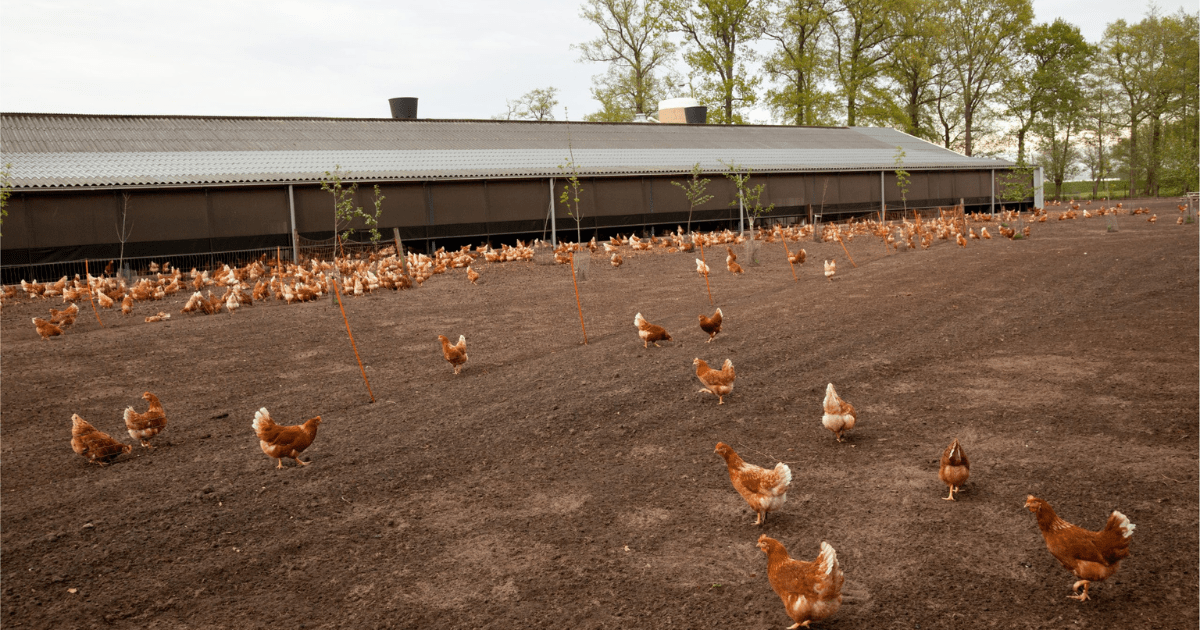
Starting a poultry business is a one-off project. Running one is a daily routine, and that routine decides whether the business makes money. Feed conversion, mortality and how reliably you sell each batch come down to what happens in the house every day. This guide covers the operating side. For the start-up decisions, such as broilers or layers, housing and funding, see what is needed to start a poultry farm business.
Plan your production cycle
Broilers are raised in batches, with a clean-out and rest period between them. Plan each batch backwards from the date your buyer needs the birds, and book chicks, feed and slaughter or collection dates in advance. Layers run on a longer cycle, with daily egg collection and planned replacement of the flock when production drops.
The daily checks
- Feed and water. Check that every feeder and drinker is working, clean and correctly set for the birds’ age. Water problems show up in the flock within hours.
- Temperature and ventilation. Young chicks need warmth. Older birds suffer in heat. Watch how the birds are spread across the house, which tells you more than a thermometer.
- Mortality. Remove and record dead birds every day. A sudden rise is often the first sign of disease.
- Litter. Wet litter causes foot and respiratory problems. Fix leaks and ventilation quickly.
Biosecurity is daily, not occasional
Limit who enters the houses, use foot baths and dedicated clothing, keep wild birds and rodents out, and clean and disinfect between batches. Avian influenza is a notifiable disease: unusual deaths or symptoms must be reported to your state veterinarian. The South African Poultry Association publishes biosecurity guidance for producers.
Keep records that show your margin
Record chick numbers, feed delivered and used, daily mortality, weights and the sale price for each batch. From these you can work out feed conversion and cost per bird, the two numbers that tell you whether a batch made money. Without records, you cannot see where margin is being lost.
Sell before the birds are ready
Broilers that stay past their target weight keep eating while their value barely rises. Confirm your buyer, whether an abattoir, retailer, informal traders or live-bird customers, before the batch is placed. For eggs, agree collection or delivery routines so that stock does not build up.
Frequently asked questions
How often should I check the birds?
Several times a day, especially in the first week and during heat.
What is the biggest running cost?
Feed, by a wide margin. Wasted feed goes straight off your profit.
What should I do if many birds die suddenly?
Isolate the house, stop movement on and off the farm, and contact a veterinarian. Report suspected notifiable diseases to the state veterinarian.
How long should the house rest between batches?
Long enough to remove litter, clean, disinfect and dry the house fully before the next placement.
Can I run a poultry business part time?
Only with reliable help. Birds need attention every day, including weekends.
Originally published in May 2022. Updated September 2026.