A green business reduces environmental harm through how it sources materials, manufactures, packages and ships, and demand for exactly this kind of business keeps growing as more consumers factor sustainability into what they buy. South Africa’s specific combination of high waste volumes, an energy crisis pushing households and businesses toward alternatives, and a genuine ecotourism market gives green entrepreneurs more entry points than most countries offer.
Here are five ideas worth serious consideration, and what actually makes each one viable rather than just well-intentioned.
Recycling
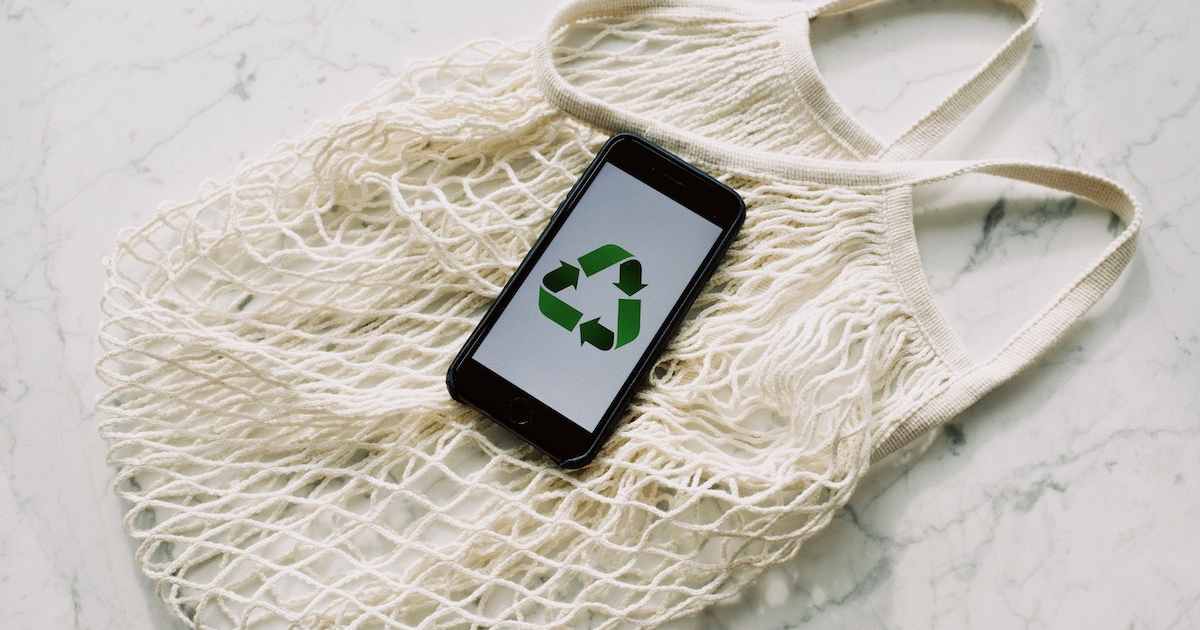
South Africa already recycles a meaningful share of its plastic, paper, metal and glass, and the demand for collection, sorting and processing capacity remains high because waste volumes keep growing faster than recycling infrastructure does.
Metal recycling specifically has become a more regulated business than it used to be. Both buyers and sellers of scrap metal now need to register under the Second-Hand Goods Act, cash payments for scrap transactions are being phased out in favour of electronic transfers, and dealers face monthly reporting requirements on what they buy and sell. Our guide on starting a metal recycling business covers the current compliance picture in full, since the rules have tightened considerably in response to cable and infrastructure theft.
Organic and natural products
Demand for organic food, plant-based cosmetics and environmentally gentler cleaning products continues to grow as more consumers factor environmental impact into purchasing decisions and are willing to pay a premium for it.
The barrier here is usually supply chain rather than demand: sourcing genuinely organic or sustainably produced inputs at a price that still leaves a workable margin takes more groundwork than a conventional product line does.
Ecotourism
Ecotourism combines environmental conservation with genuine economic benefit for local communities, and it suits South Africa’s natural landscape particularly well. Practical entry points include eco-accommodation using renewable energy and efficient lighting, and low-impact outdoor experiences: hiking, guided nature walks, and water-based activities that leave minimal environmental disruption.
The credibility of an ecotourism business rests entirely on whether its practices are genuine rather than marketing dressing, since this is a market that increasingly checks.
Sustainable fashion
Fashion is a significant contributor to global carbon emissions, which creates real room for brands built around sustainable material sourcing, ethical fibre farming, and packaging with a lower environmental footprint than the industry norm.
This is a genuinely competitive space now rather than a novelty, so differentiation matters: a clear, verifiable sustainability story tends to outperform a vague “eco-friendly” label that a customer cannot actually check.
Green energy services
South Africa’s continuing energy challenges have made solar and related services one of the more resilient green business categories, because the demand is driven by necessity rather than only environmental preference.
Opportunities include installing and maintaining solar panels for homes and businesses, energy auditing and consulting to help other businesses reduce consumption, and retrofitting: efficient lighting, insulation and double-glazing aimed at cutting a building’s energy draw. Our guide on starting a solar business in South Africa covers this specific category in depth.
Funding leans toward green businesses specifically
Several development finance institutions and government programmes weight their criteria toward environmentally focused businesses, on top of the general funding routes every startup can access. Solar, waste management and recycling in particular attract this kind of targeted support because they align with national energy and waste policy goals rather than being a side benefit. Worth checking specifically rather than assuming green businesses only qualify for the same generic funding as anything else.
What separates a real green business from a marketing label
Consumers and journalists increasingly verify sustainability claims rather than take them at face value, so a business built on genuine practice rather than positioning tends to be the one still standing when scrutiny arrives. Pick a lane where your actual sourcing, process or output can survive a direct question about it, rather than reaching for the label first and the substance second.
Frequently asked questions
Which green business idea has the lowest barrier to entry?
Organic or natural product resale and small-batch recycling collection both require relatively little startup capital compared with ecotourism or a green energy installation business.
Is metal recycling still a viable green business given the new regulations?
Yes, but the compliance requirements are now real rather than nominal. Registration under the Second-Hand Goods Act, moving away from cash transactions, and monthly reporting all need to be built into the business from the start.
Do green businesses actually earn more than conventional ones?
Not automatically. Some green products carry a premium consumers are willing to pay, but margins depend on the specific market, not on the sustainability positioning alone.
What is the biggest mistake green business owners make?
Leading with the environmental message before the substance is verifiable. Consumers increasingly check sustainability claims, and being caught overstating one damages trust more than never having made the claim.
Is South Africa a good market for ecotourism specifically?
Yes, given the country’s natural landscape and existing tourism infrastructure, though credibility depends on genuinely sustainable practice rather than branding alone.
Where to start
Pick the idea where your own resources, location or existing skills give you a genuine head start, verify the current compliance requirements for that specific category, since several have tightened recently, and build the sustainability claim you can actually defend before you build the marketing around it.
This article was updated in September 2026.