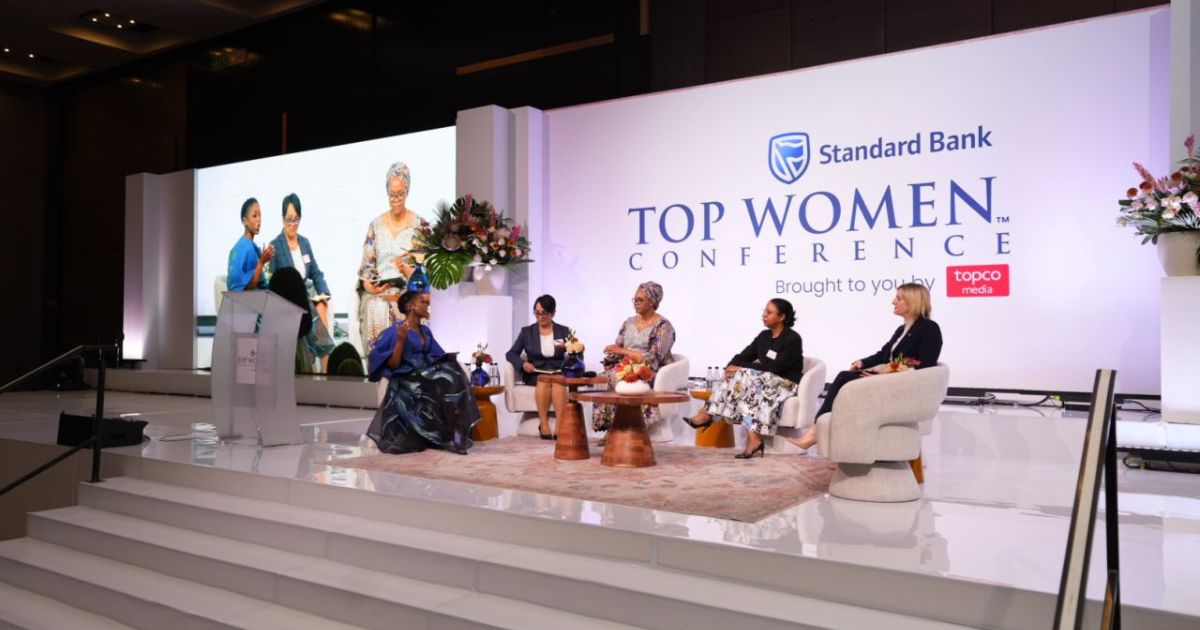
Accounts from women running businesses in South Africa return to the same three obstacles: getting funded, getting into the networks where work is allocated, and being taken seriously in rooms where decisions are made. The responses they describe are practical rather than inspirational, and they are worth separating from the encouragement that usually surrounds them.
Each obstacle has something concrete behind it.
Funding: prepare for the harder question
Women founders consistently report being asked to justify risk where others are asked about potential. Whether or not you accept that framing, the practical response described is the same: arrive with evidence rather than projections, and know the numbers without notes.
There are also funds aimed specifically at women-owned businesses, including programmes run by the National Empowerment Fund and flagship women’s programmes at the national small enterprise agency. Applying to a fund designed for you is a better use of effort than a general one.
Networks: build the adjacent ones
Where existing industry networks are closed or uncomfortable, the founders who progress describe building alternatives: peer groups of other owners, relationships with adjacent businesses serving the same customers, and industry associations where membership is the entry rather than an invitation.
Referral relationships with non-competing businesses are the most reliable source of work and the least dependent on being included.
Credibility: let the compliance do some work
Being registered, tax compliant and able to produce financials removes one of the arguments used to dismiss a business. It is not a complete answer to being underestimated, but it closes the gap that is within your control.
Registration and annual returns run through the Companies and Intellectual Property Commission, and a B-BBEE affidavit is free for exempt micro enterprises.
Supplier development is an underused route
Large companies carry obligations to develop small suppliers, and many programmes prioritise women-owned businesses. These frequently provide grants, mentorship and a contract rather than only training.
They are rarely advertised. Approaching the transformation or procurement teams of large companies in your sector directly is how most participants get in.
Frequently asked questions
What obstacles do women founders most often describe?
Access to funding, access to networks where work is allocated, and being taken seriously in decision-making settings.
What is the practical response on funding?
Arrive with evidence rather than projections, know the numbers without notes, and apply to funds aimed specifically at women-owned businesses.
What works when existing networks are closed?
Building adjacent ones: peer groups, referral relationships with non-competing businesses, and associations where membership is open.
Does compliance help with credibility?
It closes the part of the gap within your control by removing an easy reason to dismiss the business.
What is the most underused opportunity?
Corporate supplier development programmes, many of which prioritise women-owned suppliers and are not advertised.
Further reading
Originally published in August 2018. Updated September 2026 to distil what women entrepreneurs describe as decisive rather than listing lessons.