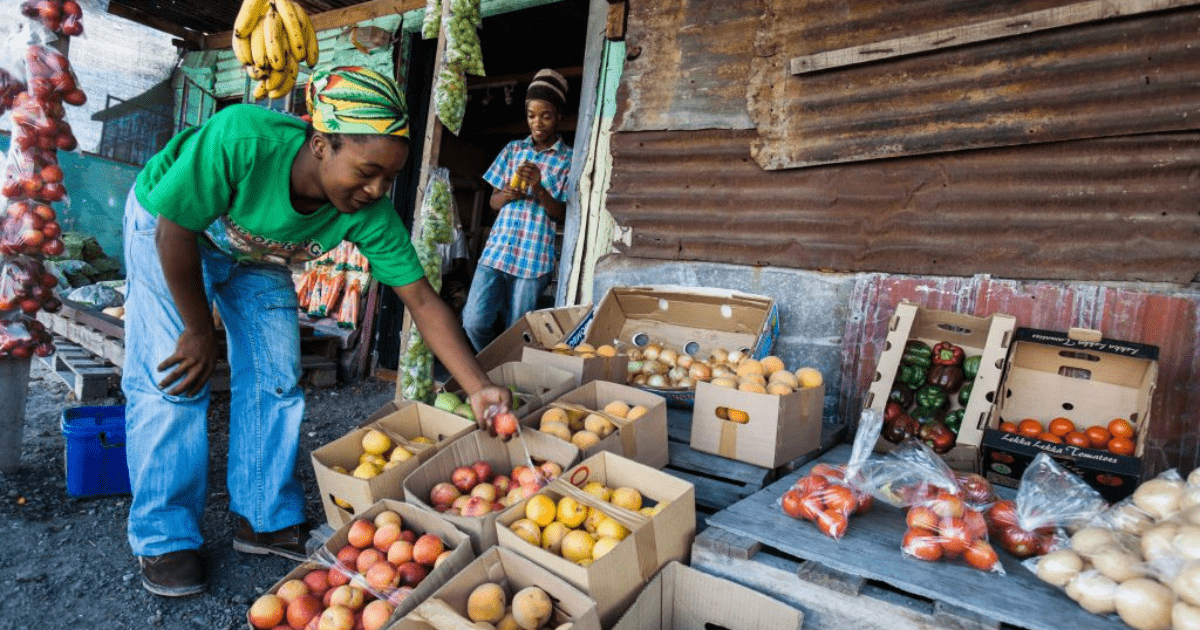
Last updated: September 2026. A spaza shop is a convenience business, and convenience is what customers pay a premium for. It survives on being closer, open later and willing to sell in the quantities people can afford that day. What it cannot do is beat a supermarket on price, so any plan built on undercutting a large retailer will fail. The two things that decide whether a spaza works are buying price and compliance, and both are now more demanding than they used to be.
Registration and compliance come first
Spaza shops are required to register with the local municipality, and food-handling premises need a Certificate of Acceptability from the municipality’s environmental health department. Enforcement has tightened considerably following food safety incidents involving township retailers, and unregistered shops face closure.
Treat this as the first task rather than something to sort out once trading. The practical list is municipal registration, a Certificate of Acceptability for the premises, correct zoning or consent use for a business operating from a residential property, and the right to trade at the address. Our guide to food licences covers what an inspector looks for.
Registering the business itself with the Companies and Intellectual Property Commission is what lets you open a business bank account and buy from wholesalers on trade terms, so it is worth doing early rather than later.
If you are not a South African citizen or permanent resident, you need the immigration status that permits you to trade before any of this, and municipalities verify it.
Buying price decides whether you make money
Your margin is set the moment you buy, not when you sell. A spaza owner paying retail prices at a supermarket and reselling at a small markup is running a very demanding job for very little.
The ways out are all about purchasing power. Buy from wholesalers and cash-and-carry rather than retail. Buy the fast-moving lines in the largest quantity you can store and afford. Join or form a buying group with nearby shop owners so you order at volumes that attract better pricing. Several buying groups and distribution networks exist specifically to give independent retailers wholesale terms, and they are worth investigating before you open.
Know your margin per line, not just overall. Airtime and bread carry thin margins and bring people in. Cooldrinks, snacks and paraffin usually carry more. The mix is what produces a living.
Stock what turns, not what you like
Money tied up in slow-moving stock is money you cannot use to restock the lines that sell. Count what actually moves in the first weeks and let that decide reorders.
The classic mistake is over-ordering variety. A spaza with three brands of the same product has tripled its stock investment without increasing sales. Depth in what sells beats breadth.
Credit is the fastest way to lose the business
Selling on credit to neighbours is normal and it is how many spazas fail. Money owed is stock you cannot replace, and recovering debt from people you live among is socially very difficult.
If you offer credit at all, set a low limit, write every amount down in front of the customer, and never extend more until the previous amount is settled. Many successful owners simply do not offer it, and say so plainly on a sign.
Location, hours and security
Foot traffic decides turnover. Being on a route people already walk matters more than the shop being large or well fitted out.
Long hours are a real competitive advantage over formal retail, but they are also the main cause of owner burnout, so plan who covers which hours before opening rather than discovering it. Security needs designing in: a serving hatch rather than an open counter, limited cash on the premises, and banking little and often rather than holding takings.
Support and funding
Township retail is a stated government priority and there are programmes aimed specifically at it, including the Spaza Shop Support Fund. These are administered through the Small Enterprise Development and Finance Agency, which also provides free business diagnostics and planning support.
Registering for notifications matters here, because these programmes open and close in windows. Being compliant and registered is also what makes you eligible, which is another reason to do the paperwork first.
Tools worth using
Card acceptance, mobile money and digital stock or ordering apps are now normal in township retail and they solve real problems: less cash on the premises, a record of what sells, and access to supplier credit based on trading history. The trading record these systems build is increasingly what lenders assess when a shop applies for finance, which makes them worth adopting early rather than late.
Frequently asked questions
Do I need to register a spaza shop?
Yes. Registration with your municipality is required, along with a Certificate of Acceptability for food handling. Enforcement has tightened and unregistered shops face closure.
How much stock should I open with?
Less than you think, weighted to fast-moving lines. Money in slow stock is money unavailable to restock what actually sells.
Can a spaza compete with supermarkets on price?
No. It competes on proximity, trading hours and selling in affordable quantities. Any plan based on undercutting a large retailer will not work.
Should I sell on credit?
Preferably not. If you do, set a strict limit, record every amount in front of the customer, and never extend more before the previous balance is paid.
How do I improve my margin?
By buying better. Use wholesalers rather than retail, buy fast movers in volume, and consider a buying group with nearby owners to reach better pricing.
Is funding available for spaza shops?
Yes, through programmes aimed at township retail, administered via the national small enterprise agency. Being registered and compliant is what makes you eligible.