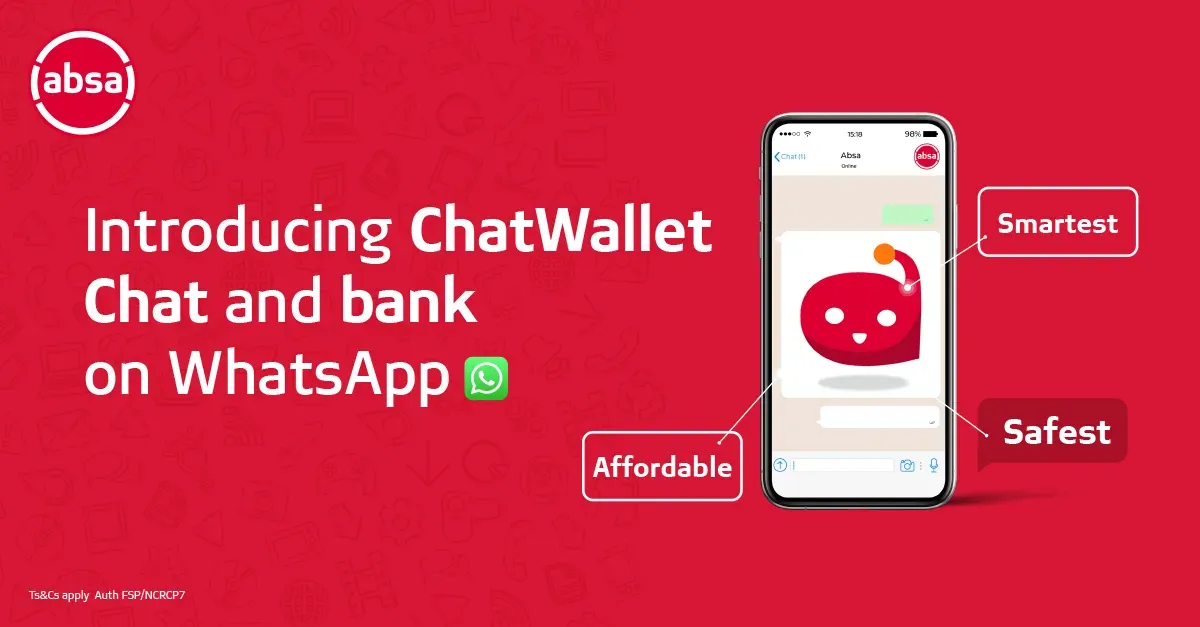
Banking inside a messaging app is genuinely useful for the things a business owner does constantly: checking a balance, confirming a payment landed, moving money between accounts and buying airtime or electricity. It is not a replacement for business banking, and treating it as one is where the risk sits, because the channel is built for speed rather than for control.
The practical question for an owner is which tasks belong there and which do not.
What it is genuinely good for
Checking balances and recent transactions without opening an app or visiting a branch, confirming that a customer payment has cleared before releasing goods, and small routine payments.
For a trader who needs to confirm receipt of funds while a customer is standing there, that is a real operational improvement rather than a convenience.
What it is not built for
Bulk payments, payroll, approvals requiring two people, and anything needing a proper audit trail belong in business banking. Messaging channels typically carry lower transaction limits and fewer controls.
Using a personal messaging banking channel for business money also blurs the separation between personal and business finances, which creates problems at tax time and weakens the protection a company structure is supposed to give you.
The security rules that matter
Never approve a request that reaches you through a message, and never act on banking details supplied in an email or chat. Verify any change of account details by phoning a number you already held, not one provided in the message.
Email and messaging compromise leading to a fraudulently changed invoice is the most common and most expensive attack on small businesses.
Check what you are agreeing to
Fees, limits and liability differ between channels. Establish who carries the loss if a transaction is fraudulently authorised on your device, and what the bank requires of you for that protection to hold.
Providers offering payment services must be authorised, and you can confirm a provider with the Financial Sector Conduct Authority before using anything unfamiliar.
Keep the business account separate regardless
A bank account in the business name is required for corporate contracts, funding applications and clean records, and it is what lets you prove turnover later.
Convenience channels sit alongside that account. They do not replace the need for one.
Frequently asked questions
Is messaging-app banking safe for a business?
For low-value routine tasks with proper device security, yes. Bulk payments, payroll and anything needing approval controls belong in business banking.
What is the biggest risk?
Acting on payment instructions or changed banking details received in a message. Always verify by phoning a number you already had.
Can it replace a business bank account?
No. A business-name account is required for contracts, funding and clean records, and proves turnover later.
What should I check before using a channel?
Fees, transaction limits, and who carries the loss on a fraudulent transaction, along with what the bank requires of you.
How do I confirm a payment provider is legitimate?
Check that it is authorised with the financial sector regulator before using it.
Further reading
Originally published in July 2018. Updated September 2026 to explain what messaging-based banking does well for a business and where its limits are.