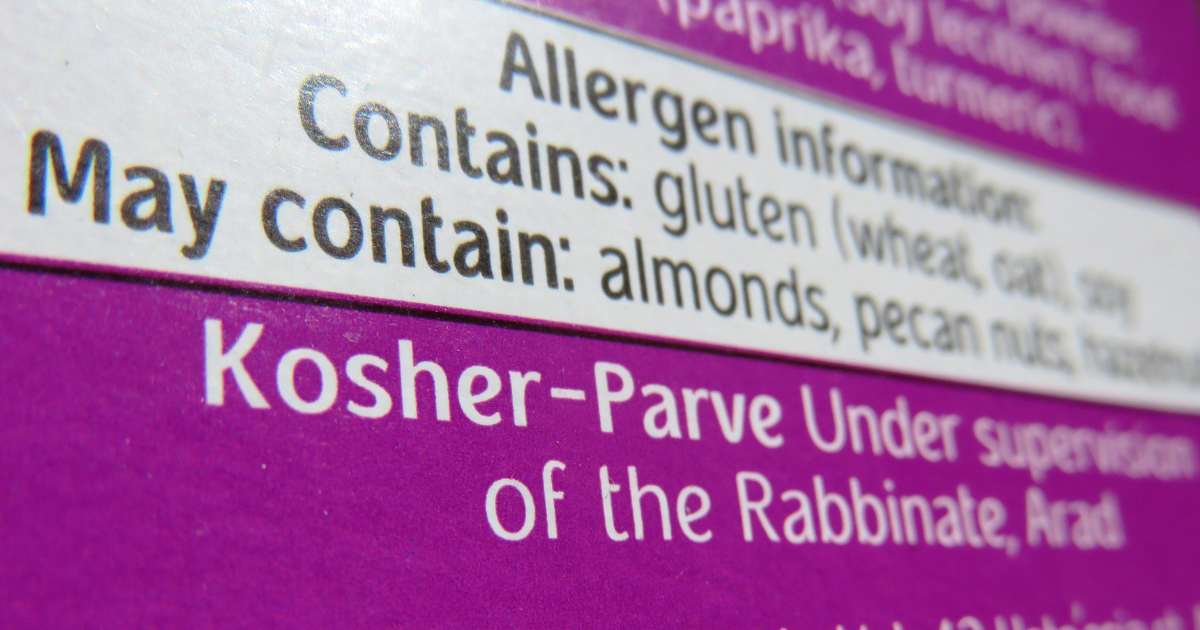
South Africa is a country full of diversity in culture, race and religion. For most South Africans, interacting with cuisine that has been prepared through methods of a different religion is not unusual. One of the many food compliance processes most food vendors should follow is becoming Kosher compliant.
What is Kosher?
Kosher refers to food that meets the strict dietary laws (kashrut) of Judaism, meaning it is “fit” or “proper” for consumption, covering what can be eaten, how it’s prepared, and which foods are kept separate.
For most food vendors, knowing how and what to prepare to ensure customers’ religious beliefs are followed can be costly. However, it can also open doors for new customers and increased revenues.
In this article, we look at what Kosher compliance is, how to get it as a small to medium-sized enterprise (SME) and which organisations deal with Kosher compliance.
The Three Categories of Kosher Food
There are three categories of Kosher food: meat, dairy and parev (neither meat nor milk).
Meat: This includes all Kosher animals and fowl slaughtered in the prescribed manner as well as their derivative products. The following stipulations apply:
- Kosher animals are those that both chew their cud (typically cattle and sheep) and have split hooves.
- Kosher fowl are identified by a globally accepted tradition and include domestic birds such as chicken, Cornish hen, ducks, geese and turkey. Any birds of prey are not considered Kosher.
- Animals and fowl must be slaughtered and examined in strict accordance with a very specific set of guidelines by a specialised and highly trained shochet.
- Permissible portions of the animal and fowl (excluding the hind quarter and sciatic nerve) are thoroughly soaked in Koshering salt by the shochet to remove any traces of blood.
- Even a small amount of meat (or meat derivatives) in a product lends that product “meat status”.
Dairy: This includes milk, as well as its derivatives such as butter, yoghurt, cream and cheese. The following stipulations apply:
- All Kosher dairy products must come from a Kosher animal.
- All ingredients of the dairy product must be Kosher and free of meat derivatives.
- Even a small amount of dairy lends that product “dairy status”.
- There is a sub-category of Kosher dairy called Chalav Yisroel. The law requires that in the production of dairy products, a mashgiach or Jewish supervisor must be present from the beginning of the milking to the end of processing.
Parev: Any food that isn’t meat or dairy is classified “parev” The following stipulations apply:
- Foods may lose their parev status if processed on meat or dairy equipment or when meat/dairy derivatives are used.
- Certain fruits, vegetables and grains must be checked for the presence of small insects and larvae, which are not kosher.
- Fish, though animals, are classified as parev.
- Eggs are also classified as parev, but they must come from a kosher bird and be checked for blood spots, which render them non-kosher.
How to Become Kosher
There are four factors that certifiers look for before accepting Kosher compliance applications:
- Raw Materials: Do the raw materials have a reputable Kosher certification? If not, what is it made of? And where or who has made it?
- Formulation: No milk and meat products together and Parev or Parev Mehadrin Kosher for Passover.
- Process: Heat processes, liquid or dry cross-contamination, CIP, and Kashering require complexity.
- Packaging: Any mislabelling or misleading names.
How to Get Kosher Certification
With obtaining kosher certification, you move from determining your eligibility to the submission of documents, and then a rabbi comes to inspect your plant (the place where the food is prepared). Thereafter, the agency you applied to determines whether or not you qualify.
Steps for the Kosher Application
1. Determine Eligibility for Kosher Certification
You need to know every ingredient and ensure that any Kosher suppliers you have can provide proof of where the food product came from. Next, consider the equipment you use, and if it handles something non-Kosher, you may need to change it or invest in extra equipment for Kosher food products.
2. Prepare Necessary Documentation
You need to prepare all the documentation that the Kosher certification agency you apply to needs. This can include ingredient statements, supplier information, production flow diagrams, Standard Operating Procedures (SOPs), and packaging materials. They might also require purchase records and product details.
3. Apply for Kosher Certification
When applying for your Kosher certification, you’ll need to include the following details: company profile, product list, ingredient information, and manufacturing details. After reviewing your application and documentation, the agency will share the costs of the Kosher certification.
4. Inspection Process
During this step, a trained Kosher inspector or Rabbi will come to your business. They will inspect ingredients, storage facilities, equipment procedures, and paperwork. They see how your staff prevents cross-contamination and ensure labelling concurs with approved recipes.
5. Certification Decision
If everything is in order, you will be awarded an official Kosher certificate by the agency. This allows you to place the Kosher symbol on your packaging and specifies the accepted products and the duration of kosher certificate validity, typically one year.
6. Ongoing Compliance
In order to maintain your Kosher compliance, you need to renew certification annually, give notice to the agency in case of ingredient change, and periodically get audited.
Where to Apply for Kosher Certification
Here are some agencies that offer Kosher certification in South Africa. Note that fees are dependent on each agency.
- Kosher Certified South Africa – https://www.kcsa.org.za/
- Kosher SA – https://www.koshersa.co.za/manufacturers/
- MK Kosher – https://mkkosher.co.za/
- SGS South Africa – https://www.sgs.com/en-za/services/kosher