Dairy is one of the least forgiving businesses in agriculture. Cows must be milked twice a day, every day, including public holidays and the week you are ill. Milk is perishable within hours, feed is your largest cost and it moves with the maize price, and the milk price you receive is set by your buyer rather than by you.
None of that makes it a bad business. It makes it a business that rewards operators who plan properly and punishes those who treat it as farming with a side of milk.
Register before you sell a litre
Milk production and the wider dairy industry are regulated, and the regulation is about food safety rather than paperwork for its own sake.
Milk SA is the industry body and maintains a Code of Practice for Milk Producers covering registration procedures, minimum requirements, biosecurity and sanitation. The Dairy Standard Agency handles standards and compliance for the industry. Registration requirements also sit under regulations covering people involved in the dairy industry and the records and returns they must keep.
Speak to Milk SA before you buy a single animal, not after. They will tell you what applies to your intended operation, and it is far cheaper to design a milking setup that complies than to retrofit one that does not.
Your milk buyer will also impose their own standards, frequently stricter than the legal minimum, and they will test. Somatic cell counts, bacterial counts and antibiotic residues all affect whether your milk is accepted and what you are paid for it. A rejected load is a total loss, not a discount.
Decide what you are actually selling
There are two very different businesses here.
Selling raw milk to a processor is the simpler route. You produce volume, a buyer collects, and you are paid on volume and quality. Your margin is thin and largely outside your control, so the whole game is cost per litre.
Processing your own means pasteurising and making milk, cheese, yoghurt, amasi or butter under your own label. Margins are far better and you control your price, but you now run a food processing operation with its own facility standards, labelling requirements, shelf life problems and route to market. Many small dairies eventually move this way, but almost nobody should start here.
Be realistic about which you are equipped for. Processing is a manufacturing business that happens to start with cows.
Land, water and the milking setup
The land question is really a feed question. Pasture-based systems built on planted or natural grazing carry a lower feed bill but need suitable rainfall or irrigation and enough hectares per cow. Intensive systems house cows and bring feed to them, which needs less land but hands your cost structure to the feed market.
Water is non-negotiable and often the real constraint. Cows drink a great deal, and a dairy also needs water for cleaning the parlour after every milking. Confirm your supply and your rights to it before committing to a site.
The parlour is your main capital item, alongside a bulk cooling tank, which is not optional since milk must be chilled immediately after milking. Build for the herd you will realistically have in two years, with room to extend, rather than the herd you hope for in ten.
Power matters more than in most farming. Interruptions during milking or cooling are a direct product loss, so budget for backup rather than treating it as an upgrade.
Breed and herd
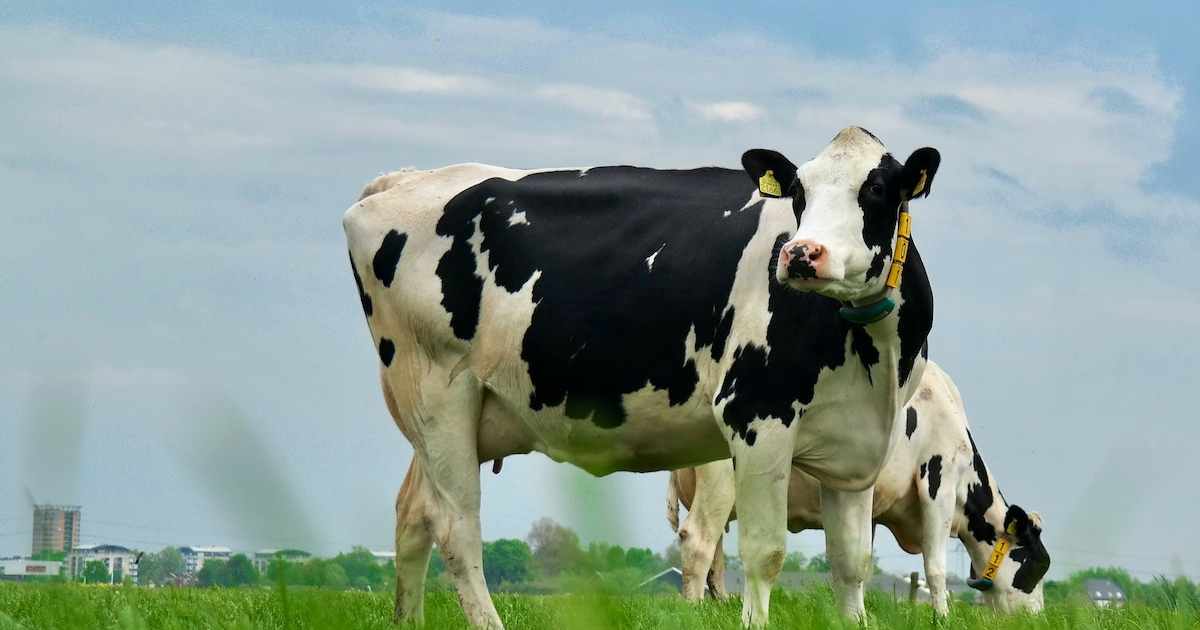
Holstein cows give the highest volume and suit intensive systems and buyers paying mainly on litres. Jersey cows give less milk but with higher butterfat and protein, which suits pasture systems and cheese or yoghurt production, and they are generally hardier and lighter on pasture. Crossbreds aim at a middle ground. Ayrshires are used in some pasture systems for similar reasons.
Match the breed to your system and your buyer’s payment structure. A high-volume breed on poor pasture with a buyer paying for solids is the wrong combination in three directions at once.
Buy from a reputable herd with health records, and quarantine and test new animals before introducing them. Disease brought in with a cheap animal is the most expensive saving in this industry.
Feed is the business
Feed is the largest single cost in almost every dairy operation, so your feed strategy is your profit strategy.
Grazing is the cheapest feed you will ever have, so pasture management, rotation and irrigation planning deserve real attention. Supplementary and concentrate feed then fills the gap between what pasture provides and what a lactating cow needs.
Buy planted feed forward where you can, because maize price movements pass straight into your cost per litre. If you are considering mixing your own rations, note that animal feed manufacture is itself regulated under Act 36 of 1947, so understand where feeding your own herd ends and manufacturing begins.
Work with an animal nutritionist. Under-feeding a lactating cow reduces yield immediately and costs far more than the advice.
The economics, plainly
Your revenue is litres multiplied by the price your buyer pays, adjusted up or down for quality. You control the litres and the quality. You do not control the price.
That means the business is won on cost per litre and on consistency. Track cost per litre monthly rather than looking at a bank balance, because it is the only number that tells you whether you are actually making money.
Cash flow is punishing at the start. You buy animals, build a parlour and feed a herd for months before meaningful income arrives, and heifers do not produce until they have calved. Our guide to cash flow management is worth reading before you commit, and funding options are covered in funding for manufacturing businesses and the guide to government funding.
Labour, and the fact it never stops
Twice-daily milking every single day is the reality that decides whether people last in this business.
You need reliable staff, trained properly, with a rotation that covers weekends, holidays and illness. Milking is a hygiene-critical task, not general farm labour, and the cost of a careless milking shows up in your quality tests and your payment.
Employ people properly: contracts, PAYE and UIF registration, and the sectoral conditions that apply to farm workers. Getting labour compliance wrong in agriculture is expensive and it is scrutinised.
Frequently asked questions
Do I need to register to sell milk?
Yes. The dairy industry is regulated, with registration requirements and a Code of Practice for Milk Producers maintained by Milk SA, alongside standards overseen by the Dairy Standard Agency. Speak to Milk SA before you buy animals.
Which breed should I choose?
Match it to your system and how your buyer pays. Holsteins give volume and suit intensive systems; Jerseys give higher butterfat and protein and suit pasture and cheese or yoghurt production.
What is the biggest cost?
Feed, in almost every operation. It also moves with commodity prices, which is why pasture management and forward buying matter so much to your margin.
Should I process my own milk?
Not at the start for most operators. Processing carries far better margins but it is a separate food manufacturing business with its own facility, labelling and shelf-life obligations.
Why do dairies fail?
Usually cost per litre and cash flow rather than lack of demand. Income arrives months after the spending starts, and the milk price is set by the buyer, so the business is won on cost control and consistent quality.
Further reading
Originally published in May 2023. Updated September 2026 with current registration and industry standards guidance. Requirements are set by the industry bodies and change over time, so confirm the current position with Milk SA before you start.