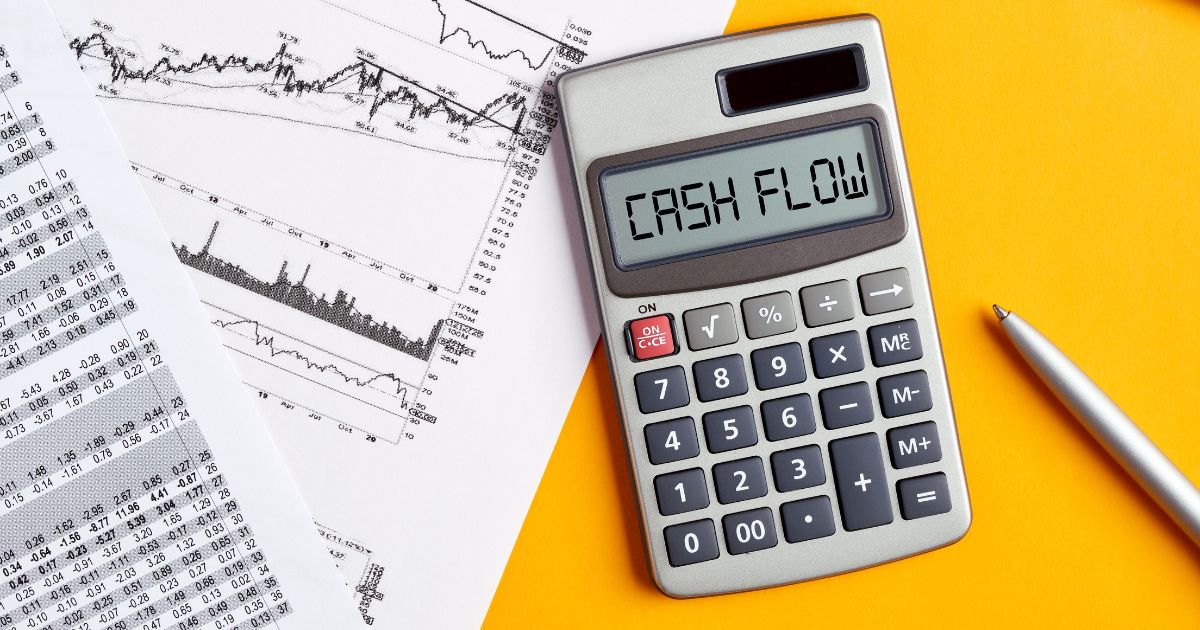
Good financial management depends less on which specific software a business uses and more on the discipline of actually maintaining accurate, current records and reviewing them regularly, though the right category of tool makes that discipline considerably easier to sustain.
These are the habits and tool categories worth prioritising.
Accurate, current bookkeeping is the foundation
Recording income and expenses accurately and promptly, rather than reconstructing records after the fact, is what makes every other financial decision, pricing, cash flow planning, tax compliance, actually reliable.
Cloud-based accounting software, widely available and reasonably priced for a small business, removes much of the manual burden compared to a purely paper or spreadsheet-based system.
Cash flow forecasting, not just historical reporting
Looking backward at what already happened is useful, but forecasting what’s coming, expected income, upcoming expenses, seasonal fluctuations, is what actually prevents a cash crisis before it happens rather than explaining one after the fact.
Our guide to improving business cash flow covers building this forecasting discipline properly.
Payroll and compliance tools reduce a specific, real risk
Payroll software or a payroll service considerably reduces the risk of PAYE, UIF and other statutory calculation errors compared to manual processing, which matters given the real compliance risk of getting this wrong with the South African Revenue Service.
Our guide to how PAYE actually works covers the underlying compliance obligation these tools help manage correctly.
Review your numbers on a genuine schedule
Set a fixed, regular schedule, weekly or monthly, to actually review financial reports, rather than only looking at them reactively when something feels wrong. This is what catches a developing problem early rather than after it has become serious.
The right tool makes this review easier, but no tool substitutes for the actual discipline of using it consistently.
Frequently asked questions
Does the specific software used matter most for financial management?
Less than the discipline of actually using it consistently. The right category of tool makes that discipline easier to sustain, not automatic.
Why does accurate, current bookkeeping matter so much?
It’s what makes every other financial decision, pricing, cash flow planning, tax compliance, actually reliable.
Is cash flow forecasting different from financial reporting?
Yes. Reporting looks backward; forecasting looks ahead and is what actually prevents a cash crisis before it happens.
Do payroll tools reduce real risk?
Yes, considerably reducing PAYE, UIF and other statutory calculation errors compared to manual processing.
How often should financial records actually be reviewed?
On a fixed, regular schedule, weekly or monthly, rather than only reactively when something feels wrong.
Originally published in 2024. Updated September 2026 into a clearer, tool-agnostic guide to the financial management habits every small business needs.