A transport business carrying goods or passengers for reward in South Africa needs an operating licence before a single paid trip, and every driver behind the wheel of anything over 3,500kg gross vehicle mass needs a Professional Driving Permit on top of their ordinary licence. Skip either and you are trading illegally the moment you accept payment, regardless of how good your driving record is.
This guide covers what the licensing actually requires, what the compliance load looks like month to month, and where the real costs sit.
The operating licence
Commercial transport, whether freight, courier deliveries, logistics or passenger transport, is regulated under the National Land Transport Act and administered through the Provincial Regulatory Entity in the province where your business is based. You apply to your own province’s PRE regardless of where you plan to operate routes, and the licence specifies what you are authorised to carry and, for passenger services, the routes you are permitted to run.
Operating without one is not a minor administrative gap. It is the single most common reason a transport business gets shut down by a roadside inspection, and it happens regardless of how well maintained the vehicle is or how experienced the driver.
The Professional Driving Permit
Anyone driving a goods vehicle over 3,500kg gross vehicle mass, or any vehicle carrying passengers for hire or dangerous goods, needs a PrDP in the matching category, issued through a registered Driving Licence Testing Centre.
Getting one requires three separate checks: a current and valid driving licence in the correct category, a medical certificate confirming fitness to drive commercially, and a clean SAPS criminal record check. Drivers must be at least 18 for a goods-vehicle PrDP. The moment a driver accepts payment to carry goods or people without the correct PrDP, that is an offence in itself, independent of whether their ordinary licence is valid.
Build the PrDP renewal cycle into your compliance calendar rather than treating it as a one-time hurdle at hiring, since it lapses and needs renewing like any other licence.
Choosing your niche
Transport is not one business, it is several distinct ones with very different capital requirements and risk profiles.
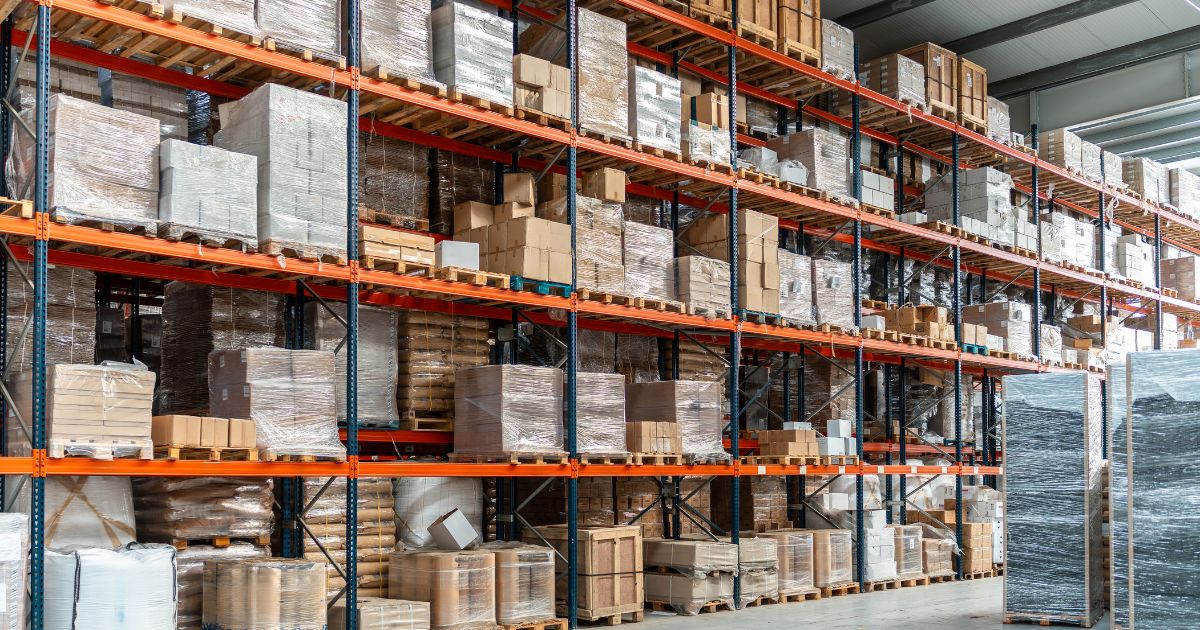
Freight and logistics. Moving goods for other businesses, from full truckloads down to smaller parcel volumes. Capital-intensive at the vehicle end, and margins depend heavily on route efficiency and fuel management.
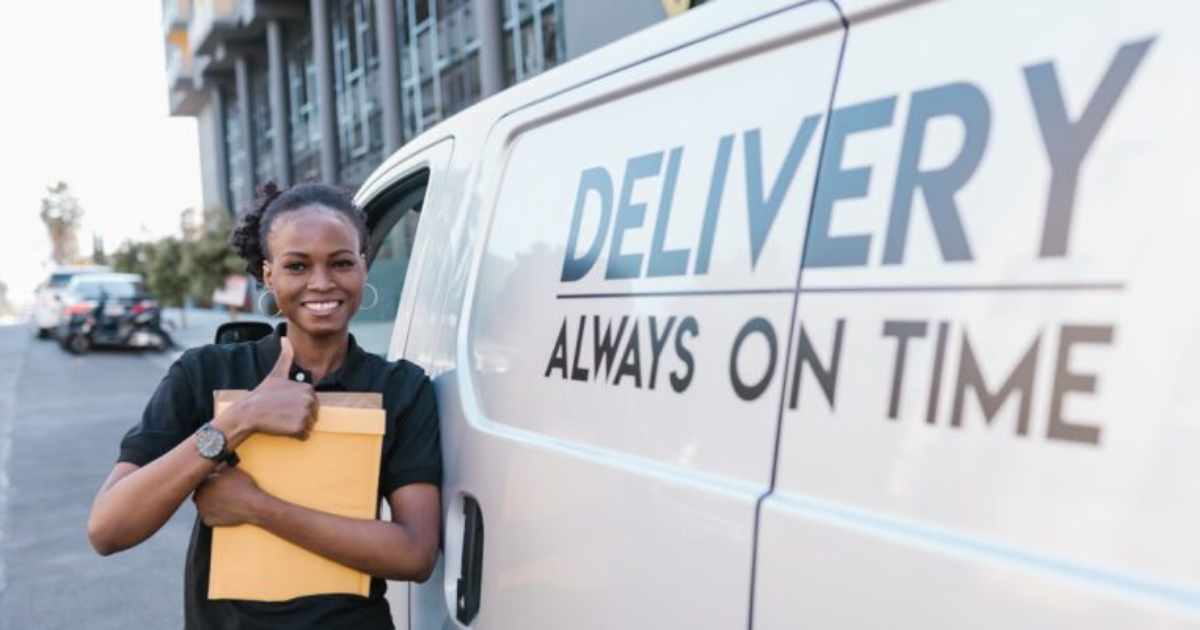
Courier and last-mile delivery. Lower capital to enter, especially with light vehicles or motorcycles, and a growing market on the back of e-commerce. Margins are thinner per trip and depend on volume. Our guide on how to start a scooter delivery business covers the lowest-capital version of this.
Passenger transport. Minibus taxi, shuttle or charter services, each with its own route-permit and operating-licence requirements layered on top of the general framework above, and typically the most heavily regulated of the three.
Pick based on the capital you actually have and the specific gap you have identified, rather than the segment that sounds most established.
What it actually costs to run
Beyond the vehicles themselves, budget for comprehensive commercial vehicle insurance, which costs meaningfully more than personal cover and is non-negotiable for anything carrying goods or passengers for reward. Fuel is typically the largest ongoing cost and the one most exposed to price volatility, which makes route planning and fuel management a genuine competitive lever rather than a back-office detail. Our guide to fuel management for the logistics and transport industry covers the practical levers. Scheduled maintenance keeps vehicles roadworthy and out of costly breakdowns, and breakdowns in this business cost you both the repair and the missed trips while the vehicle is off the road.
Driver wages and the PrDP and licence renewal cycle round out the recurring costs, and all of them need to be priced into what you charge rather than absorbed as a surprise once the business is already trading.
Managing a fleet as it grows
A single vehicle is straightforward to manage informally. Three or more needs a real system: tracking, maintenance scheduling, and route optimisation stop being nice-to-haves and start being what separates a profitable fleet from one bleeding money on empty return trips and reactive repairs.
Fleet management software or a fleet management partner becomes worth the cost once you are coordinating more than a couple of vehicles, because the fuel and time saved by better routing alone frequently outweighs the subscription cost. Options built for exactly this stage are covered in our guide to fleet management companies for your trucking business.
Frequently asked questions
Do I need an operating licence for a single delivery vehicle?
Yes. Any vehicle carrying goods or passengers for reward needs an operating licence regardless of fleet size, applied for through your province’s Regulatory Entity.
What is a PrDP and who needs one?
A Professional Driving Permit, required for anyone driving a goods vehicle over 3,500kg gross vehicle mass, or carrying passengers for hire or dangerous goods, on top of their ordinary driving licence.
How do I get a PrDP?
Through a registered Driving Licence Testing Centre, which requires a valid driving licence, a medical certificate, and a clean SAPS criminal record check.
Which transport niche has the lowest barrier to entry?
Courier and last-mile delivery, particularly using light vehicles, generally requires less capital than freight trucking or regulated passenger transport.
What is the biggest ongoing cost in a transport business?
Fuel, typically, followed by vehicle maintenance and driver wages. Fuel price volatility makes route efficiency a genuine margin lever rather than an afterthought.
Before you take your first paying trip
Confirm your operating licence and every driver’s PrDP are in place before accepting a single paid job, since this is the area where an otherwise well-run transport business most often gets shut down. Once trading, treat fuel management and maintenance scheduling as ongoing disciplines rather than reactive fixes, since both compound into real margin over a full year.
This article was updated in September 2026.