Turning a love of cooking into a paying business is exactly what a catering business lets you do, and it is one of the more accessible food businesses to start, particularly if you begin small and grow the kitchen and client base together.
Catering works well in townships, city centres, office parks and anywhere else people need to eat, and this guide covers what it actually takes to get one off the ground.
Industry overview
South Africa’s catering opportunities span the tourism industry, schools, universities, private businesses and events, and any other organisation that needs food handled at scale. One genuine advantage of catering is the flexibility to work across different clients and settings rather than being tied to a single format.
Demand has also shifted toward healthier food options, so a catering business built around that demand, rather than against it, has a real edge from the outset.
Getting started
Start with proper market research: identify where catering demand actually exists locally and what specific gap you can fill, rather than launching a generic offering into an already-served market.
Decide on your location and premises next. Some catering businesses run fully mobile, others from a single kitchen base, and it is entirely possible to start from a home kitchen provided it meets the compliance requirements below.
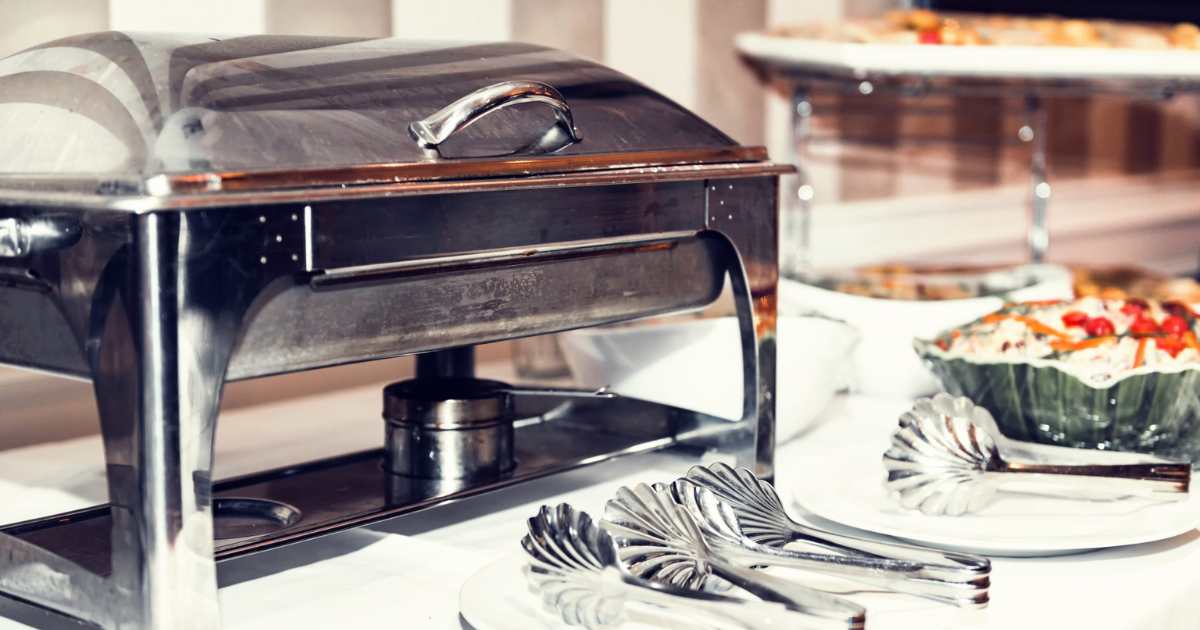
Equipment is one of the bigger early hurdles: large pots and pans, a stove, an adequately sized oven, prep space, and food storage containers are the baseline. Your equipment and kitchen space set a hard ceiling on your output, so know the maximum number of people you can realistically cater for before you start marketing.
Menu development should follow your target audience rather than lead it, some catering businesses specialise in a niche like health foods, cakes or packed lunches, while others run a broad menu. Either way, your business plan needs firm costings, prices and profit margins per menu item, not rough estimates.
Your marketing plan should match your business model. Some caterers work off one or two large recurring contracts; others rely on events and need to keep attracting new clients continuously. Build your marketing spend and effort around whichever model you are actually running.
Industry challenges
Catering in South Africa is genuinely competitive, you are up against other catering companies, supermarkets offering catering services, and restaurants doing the same. Operating costs run high too: staff, ingredients, gas, rent, equipment, cleaning supplies and a vehicle all add up, and margins in this industry are often thin. Tight financial control is not optional here, it is what determines whether the business survives its first year.
Laws and regulations
You need a business licence to operate a catering business, along with a certificate of acceptability, both essential for any business preparing and serving food in South Africa.
Must-have tech tools
Inventory management and bookkeeping software make a catering business considerably easier to run at scale. Dedicated catering software can also help with client invoicing, menu planning, staff management and financial control in one place, worth adopting early rather than retrofitting once the business has already grown past manual tracking.
Frequently asked questions
How much does it cost to start a catering business in South Africa?
Costs vary widely depending on scale, a home-kitchen operation with minimal equipment costs far less than a business built around commercial kitchen space from day one. Budget for equipment, your certificate of acceptability, a business licence and working capital to cover ingredients before your first invoices are paid.
Do I need a licence to start a catering business?
Yes. You need a business licence and a certificate of acceptability, both required for any business in South Africa that prepares and serves food.
Can I run a catering business from home?
Yes, provided your home kitchen meets the compliance requirements for food preparation businesses. Many catering businesses start this way before moving to dedicated premises as they grow.
What are the biggest challenges in the catering industry?
Competition, from other caterers, supermarkets and restaurants, alongside high operating costs and typically thin margins. Tight financial control is essential from the start.
What tech tools does a catering business actually need?
Inventory management and bookkeeping software at minimum, with dedicated catering software worth considering once you need to manage invoicing, menu planning and staff in one place.
Before you launch
Identify your specific gap in the market, confirm your equipment and kitchen space can realistically support the output you are planning for, and get your business licence and certificate of acceptability sorted before you take your first booking. With the right market, solid food and firm cost control, catering remains a genuinely accessible and rewarding business to start in South Africa.
Originally published in July 2022. Updated September 2026 to reflect current requirements for starting a catering business. Licensing requirements vary by municipality, so confirm locally before you start trading.