A cleaning services business is one of the lowest-barrier businesses you can start in South Africa: demand is constant, the equipment list is short, and you can realistically begin with a few hundred rand rather than months of saving. The real work is not the cleaning itself, it is choosing a specific niche and getting the paperwork right early enough to bid on the contracts that actually pay well.
This guide covers what you need to get started, what it costs, and the registrations that matter once you want to move beyond individual households.
What you actually need to start
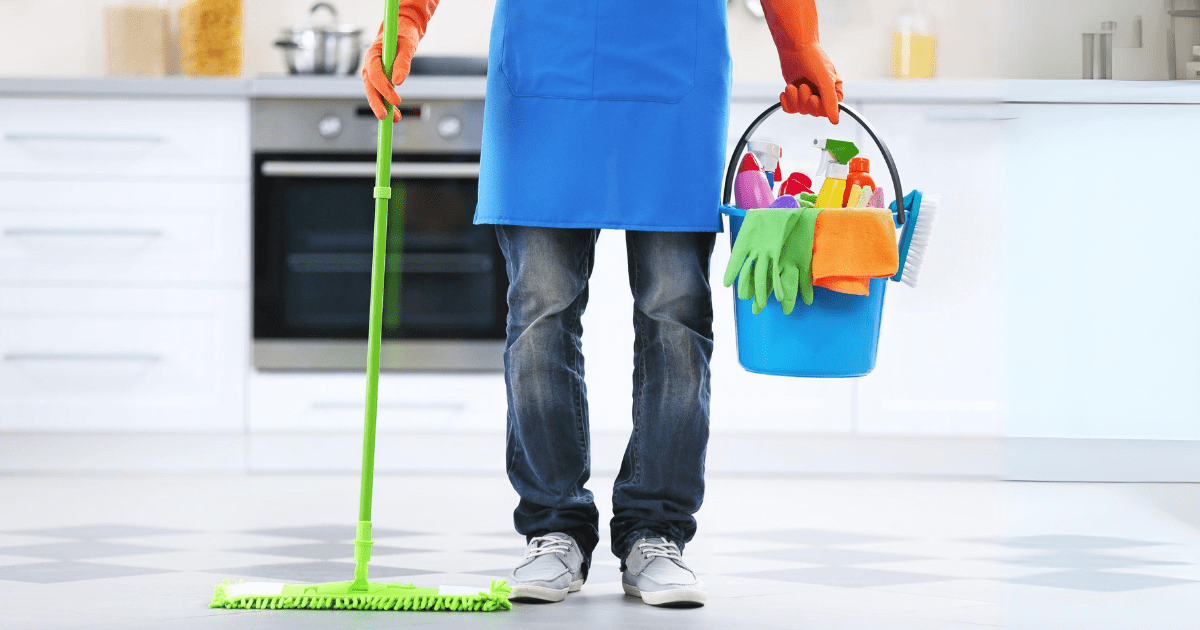
For domestic cleaning, the basic kit is genuinely simple: a mop and bucket, broom, dustpan and brush, sponges and scourers, microfibre and glass cloths, cleaning brushes, a duster, rubber gloves, and a caddy to carry it all. Add the core products: a multipurpose cleaner, bleach, furniture polish, dishwashing liquid, toilet and oven cleaner, laundry detergent, floor and glass cleaner, and disinfectant.
Commercial cleaning or a specialist focus, carpets, upholstery, windows at height, needs considerably more: pressure washers, industrial vacuums, floor polishers, specialist equipment for the niche, and usually a vehicle to move it all between sites.
What it costs to get going
Domestic cleaning can realistically start with as little as a few hundred rand for basic supplies. Building toward a fuller operation, better equipment, a proper product range, and your first staff hire, typically needs somewhere in the region of R30,000. Commercial cleaning or a specialised niche like upholstery or carpet cleaning pushes the required capital meaningfully higher, given the equipment involved.
Choosing your niche and finding clients
Decide early whether you are targeting domestic or commercial clients, and within that, whether you specialise: B&Bs, offices, apartment blocks, holiday lets, or a specific cleaning discipline. A clear niche gives you a defensible answer to “why you rather than the next cleaning company” and tells you exactly who to market to.
A website, active social media presence, and accurate business directory listings are the baseline. Beyond that, referrals and reviews from existing clients are the strongest lead source in this industry specifically, since customers hiring someone to clean their home or office weigh trust more heavily than almost any other service purchase. A referral incentive for existing clients, alongside occasional promotions, compounds this over time.
Registration requirements, and why they matter more than they first appear
No special licence is required simply to clean, which is part of why this business is so accessible. But the moment you want to bid for cleaning contracts or tenders, several registrations become the difference between being eligible to bid and being excluded before you even submit a quote.
You will need CIPC registration, a B-BBEE affidavit or certificate, a tax clearance certificate, COID registration, and inclusion on the Central Supplier Database for government tender eligibility. Registration with the National Contract Cleaning Association of South Africa is also worth having, since some commercial clients specifically look for it as a quality signal in a crowded market. Our guide on the tender compliance checklist every SME needs covers the paperwork side once you are ready to bid.
Get these in place before you need them for a specific bid rather than scrambling once an opportunity appears, since a tender deadline will not wait for your paperwork to catch up.
Frequently asked questions
Do I need a licence to start a cleaning business in South Africa?
No special licence is required for the cleaning work itself. You do need standard business registrations, CIPC, tax clearance, COID, and additional ones like a B-BBEE certificate and CSD listing if you want to bid on tenders or larger commercial contracts.
How much money do I need to start a cleaning business?
Domestic cleaning can start with a few hundred rand in basic supplies. A fuller setup with better equipment and initial staff typically needs around R30,000. Commercial or specialised cleaning requires considerably more given the equipment involved.
What is the best way to get clients for a new cleaning business?
A clear niche, domestic or commercial, and within that a specific focus, combined with referrals and reviews from your first clients. Trust matters more in this industry than in most, since customers are hiring someone into their home or workplace.
Do I need NCCA registration?
It is not legally required, but some commercial clients treat it as a quality and legitimacy signal, particularly for larger contracts.
Is commercial cleaning more profitable than domestic cleaning?
It can involve larger, more consistent contracts, but it also requires more capital upfront for equipment and typically more staff to service. Domestic cleaning has a lower barrier to entry and faster path to your first paying client.
Where to start
Pick your niche, assemble the basic kit for that specific niche rather than buying broadly, and get your CIPC and tax registrations sorted immediately, even before your first client, since they cost nothing to have ready and everything to be missing when a real tender opportunity appears.
This article was updated in September 2026.