
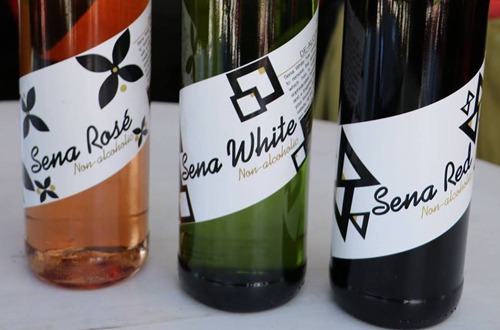
Ziyanda Tutu spotted a gap most winemakers ignored: sophisticated adults who, for any number of reasons, don’t drink alcohol but still want something that feels like wine. Sena Wines was her answer, and it’s carved out a genuine place in an industry that has historically excluded people who look like her.
A gap built from real experience
While working as a cellar master and functions coordinator, Tutu noticed there was almost nothing sophisticated on the market for people avoiding alcohol, whether for health, pregnancy, religious or lifestyle reasons. Existing non-alcoholic options were typically too sugary or simply didn’t capture the actual character of wine. Sena Wines, launched in 2017, was built specifically to fill that gap, offering red, white and rosé variants with the same flavour profile as their alcoholic counterparts, just without the alcohol.
Breaking into a historically exclusionary industry
South Africa’s wine industry has long been dominated by white, male producers, with black South Africans historically confined to labour roles rather than ownership or winemaking. Tutu trained formally in Viticulture and Oenology at Stellenbosch University, following the same path pioneered by winemakers like Ntsiki Biyela, and has continued to build Sena as a genuinely black-owned brand in a sector where black ownership remains a small minority.
Where the knowledge came from
Tutu’s connection to the industry runs through her family, a grandfather who worked in spirits, a mother in wine hospitality and public relations, and a childhood spent absorbing informal training sessions. A bursary from the national Department of Agriculture let her study debt-free, turning a family interest into a formal qualification.
Frequently asked questions
Is non-alcoholic wine legally classified as wine in South Africa?
Not under current legislation, given its low alcohol content, though brands like Sena replicate the same flavour profiles and drinking experience as their alcoholic equivalents.
What share of South Africa’s wine industry is black-owned?
Black ownership remains a small minority of the industry, though the number of black-owned wine brands has grown in recent years.
Why would someone choose a non-alcoholic wine over other non-alcoholic drinks?
For the specific flavour and social experience of wine, particularly useful for pregnancy, health reasons, religious observance or simply personal choice, without giving up a sophisticated drinking occasion.
Building a category, not just a brand
Sena Wines represents both a genuine gap in the market and a deliberate entry into an industry that has historically kept people who look like Tutu out of ownership roles. Both facts matter to the brand’s story.
Further reading: How to Create a Customer Profile | Department of Trade, Industry and Competition for official B-BBEE ownership requirements
Originally published in August 2019. Updated September 2026 to confirm Sena Wines is still trading and refresh this founder profile. The underlying market-gap story remains current.