Smallholder farms play an essential role in the South African agricultural landscape. The evolution of farming through AI-powered crop monitoring comes with its benefits; however, there are disadvantages coupled with that.
Large-scale farmers may experience a relatively seamless transition into digitising agriculture, whereas smallholder farmers are privy to challenges. Is it worth it for small farmers to digitise their farming systems?
In this article, we’ll discuss the effects of AI crop monitoring on smallholder farmers in South Africa.
Why We Need Small-Scale Farming
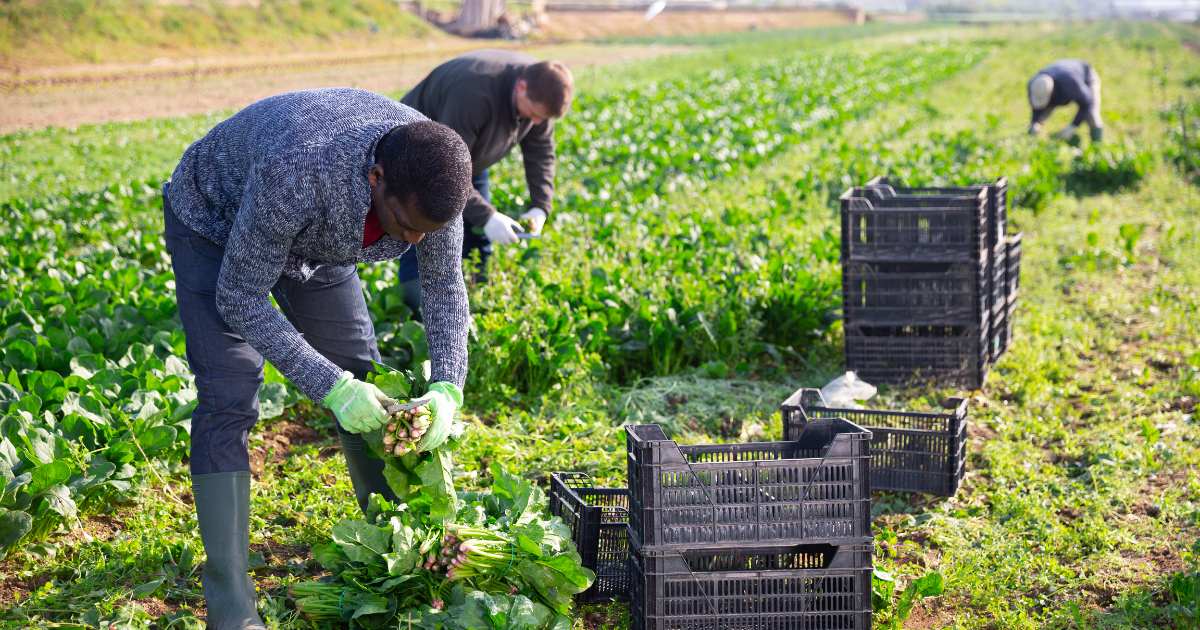
In South Africa, the small-scale farming sector forms the foundation of rural economies. This sector comprises 250 000 smallholder farmers and 1,5 million subsistence farmers. Small-scale farming not only helps in the provision of food but employment and income generation.
Smallholder farmers play a fundamental role in food security. These farmers develop systems of food production that are sustainable. They benefit small communities and the South African nation at large. To break it down, the ripple effect of small-scale farming is a powerful force that extends beyond the immediate act of growing food.
When smallholder farms thrive, they often create local job opportunities, from harvesting and processing to transportation and sales. This stimulates local economies, as the money earned is reinvested in the community. It supports other small businesses and services.
The Pros of AI-Powered Crop Monitoring for Smallholder Farms
Small-scale farmers might implement smart farming methods, which would be for good reason, as there are advantages to it. The benefits of AI-powered crop monitoring are as follows:
1. Precision Farming Solutions
The use of AI in farming takes away the guesswork. Sensors detect micronutrient gaps in soil, allowing targeted fertiliser use. Farmers can also cut the costs of over-application of pesticides. This is due to AI’s capability to assess soil health. This is achieved through sensors and images.
For resource-strapped owners, this precision agriculture for smallholder farmers means maximising rand-for-rand returns.
2. Climate Resilience
With droughts being a massive threat to agriculture, AI’s predictive power is transformative. Machine learning models forecast weather shifts or disease outbreaks well in advance. For instance, if a farmer in the Eastern Cape uses AI-powered crop monitoring, the built-in early-warning systems can save the far from total crop loss during unexpected floods.
3. Data-Driven Decisions
Manual field walk can take hours, whereas AI analytics take minutes. Data in agriculture is a necessity. It allows farmers to make data-driven decisions that improve business processes and boost crop growth. This efficiency frees owners to focus on strategy, market negotiations or diversification, instead of scouting for bare patches where plants are struggling.
Platforms like MyFarmWeb allow farmers to analyse and collect data from their farms. The platform uses technology powered by the Internet of Things (IoT) to gather data about the farm. This technology can gather data from the soil, to the agricultural markets.
4. Market Edge
AI-derived yield predictions give farmers the opportunity to time harvests to price peaks. For example, knowing in advance that maize prices are likely to rise in two weeks allows a farmer to delay their harvest and secure a better sale price.
The Cons of AI-Powered Crop Monitoring for Smallholder Farms
1. The Hidden Financial Pitfalls
Starter kits (drones and software) can cost an arm and a leg. And it doesn’t end there! Monthly or annual subscription fees also add up. Unlike large farms, smallholders may not qualify as easily for agritech subsidies, making the initial investment and ongoing costs difficult to bear.
2. Digital Literacy Gaps
Some smallholders have been in the game for decades and may be hesitant to digitise, especially if they’ve had limited exposure to tech. Complex dashboards can overwhelm users, leading to abandoned tools.
3. Over-Reliance Risks
AI models trained on European datasets can misread African conditions. Thus, farmers must be careful and ensure to use tools that understand African farming conditions. It’s crucial not to overly rely on what the AI tools suggest, and to ensure there is a balance with industry farming knowledge.
4. Maintenance
Technological tools need to be maintained. Drone repairs? Software updates? Rural tech support can be scarce. When a sensor fails in a rural location, with no support close by, replacements take weeks.