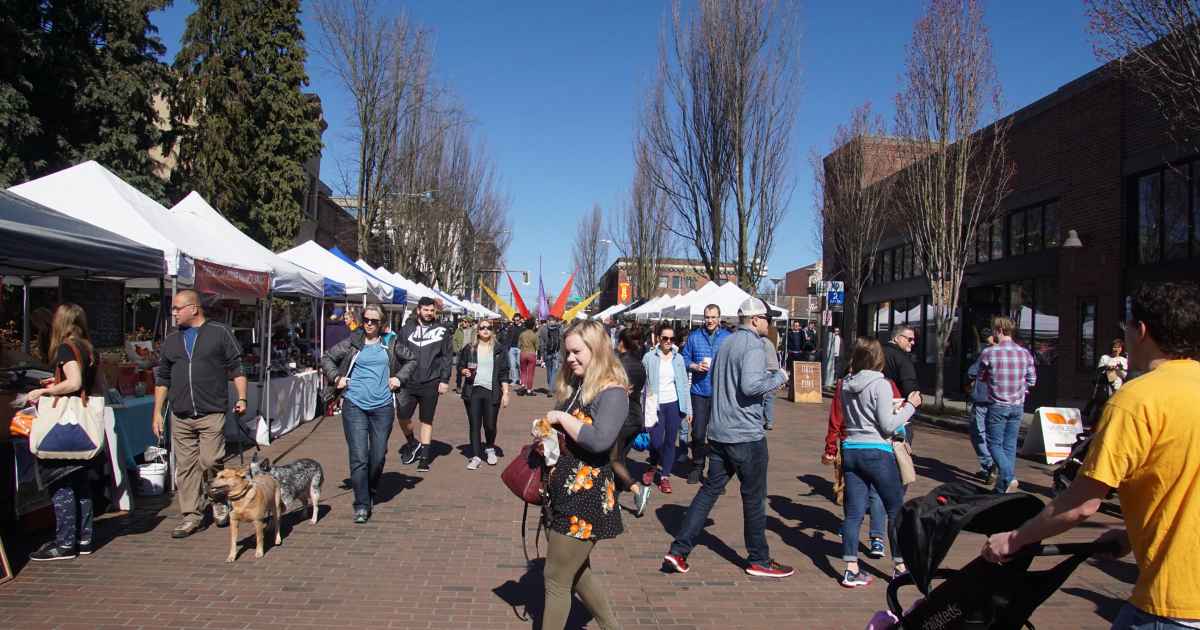
An entrepreneurs day is a one-day market with a captive audience, a fixed budget and no second chance, which makes it a genuinely useful test of a business idea. The stalls that sell out are rarely the most original ones. They are the ones that priced correctly, brought enough stock of a small number of items, and could take payment quickly when a queue formed.
Whether this is a school market day, a campus event or a community fair, the same things decide it.
Pick something you can make before the day
Anything requiring preparation on the day limits how much you can sell to how fast you can work. Items made in advance let you serve a queue in seconds, which is what determines your takings during the busy hour.
Ideas that consistently work on this basis: baked goods and sweets packed in advance, cold drinks and iced treats on a hot day, handmade jewellery and beadwork, phone accessories such as cables, pop sockets and cases, printed or customised items like stickers, keyrings and tote bags, plants and seedlings in small pots, and second-hand books or games in good condition.
Services work too and need no stock: face painting, hair braiding, nail art, a photo booth with instant prints, or a games stand charging a small entry for a prize.
Price for the audience, not for your effort
The most common mistake is pricing at what the item cost plus what feels fair, then discovering nobody at a school market has that much cash.
Work out what your customers realistically carry and price under it. Round numbers sell faster than odd ones because change is quicker. Bundles move stock better than discounts: three for a set price shifts more than a percentage off, and it protects your margin.
Count your true cost first, including packaging, transport and the ingredients you wasted practising. If the margin is under half, the day is unlikely to be worth it.
Depth over variety
Bring a lot of two or three things rather than a few of ten. Variety looks impressive on the table and leaves you with unsold stock in nine categories.
Sell out of your best item and you have learnt something useful. Sell a third of everything and you have learnt nothing and are carrying leftovers.
Be able to take payment
Cash is not enough on its own. Card and mobile payment acceptance is cheap to set up now, and buyers who cannot pay simply walk away.
Bring plenty of change. Running out of coins during the busiest period stops sales entirely, which is an avoidable way to lose a day’s takings.
The stall itself sells
People buy from stalls they notice. A clear sign with the price visible from a distance saves the conversation entirely. Height helps: raising products on boxes makes a table visible across a hall. Samples work for food, within whatever the event rules allow.
Have two people if you can. One sells while the other restocks and handles payment, and a queue that moves keeps growing instead of dispersing.
Check the rules before you plan around anything
Most events restrict what may be sold, particularly food. Where food is prepared for sale, health requirements apply, and premises handling food need a Certificate of Acceptability from the municipality, which a home kitchen usually will not have. School and campus events often have their own restrictions on allergens, hot equipment and what may be cooked on site.
Ask the organiser first. Building a stall around something you are not permitted to sell is the one mistake you cannot fix on the morning. The requirements for handling food for sale are set under regulations administered by the Department of Health and enforced by municipal environmental health officers.
Treat it as a test, and keep the numbers
The value of the day is the data. Write down what you spent, what you sold, what price things moved at and what people asked for that you did not have.
That record tells you whether the idea works at a larger scale, and it is the beginning of the habit that actually determines whether businesses survive: knowing your numbers. If you take it further, registration with the Companies and Intellectual Property Commission is what opens a business bank account and proper supplier terms.
Frequently asked questions
What sells best at an entrepreneurs day?
Items prepared in advance that can be handed over in seconds: baked goods, cold drinks, accessories and customised items. Speed of service decides takings during the busy period.
How should I price?
Under what your audience realistically carries, in round numbers for quick change. Use bundles rather than discounts to move stock without losing margin.
How much stock should I bring?
A lot of two or three items rather than a few of many. Selling out of your best item teaches you something useful; leftovers across ten lines teach you nothing.
Can I sell food I made at home?
Often not. Food prepared for sale is regulated and needs premises with a Certificate of Acceptability. Check the event rules and the municipal requirements first.
Do I need to accept cards?
It helps considerably. Acceptance is cheap to set up, and buyers without cash will otherwise walk away. Bring plenty of change as well.
What should I do afterwards?
Write down costs, sales, prices that worked and what people asked for that you did not stock. That record is what tells you whether the idea scales.