Managing cash flow is one of the more important elements of running a business. A healthy cash flow allows small- to medium-sized enterprises (SMEs) to remain flexible for opportunities and to pay for expenses like salaries and equipment. Should you need to make a large purchase, you need to tap into your cash reserve.
Building a cash reserve protects you from the unexpected. Setting money aside can help your business in many situations, such as market downturns, large purchases or even a business pivot.
Operating without a cash reserve means operating on the back foot. You risk losing out on investment opportunities or lacking capital to navigate any market changes.
In this article, we look at what exactly a cash reserve is, the benefits of having one and how to set up your own.
What is a Cash Reserve?
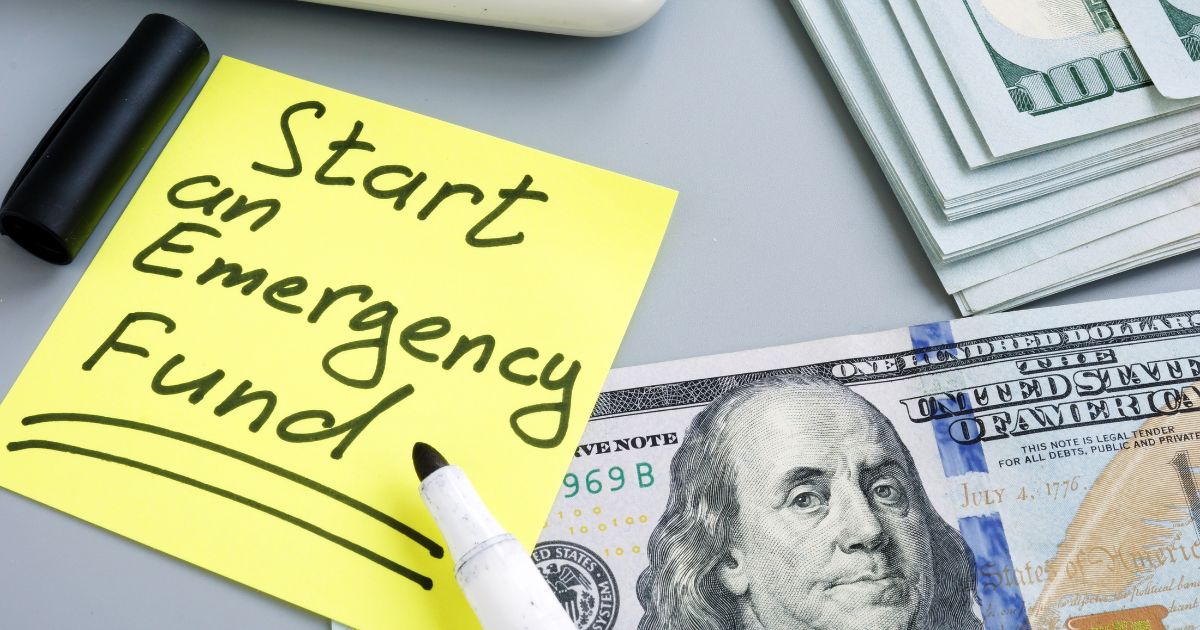
Cash reserves are the liquid capital businesses keep on hand in the event of a need for a quick, large purchase or an emergency. Cash reserves can either be money you have purposely set aside in an emergency fund, or they can be the money you have leftover once you have paid all your normal operating expenses and even unexpected expenses.
Establishing such an account is about more than simply having some excess cash handy. You must be prepared if there is a sudden drop in sales and revenue dries up. A healthy reserve cash flow enables businesses to continue paying their expenses and staying in business while they navigate a drop in sales.
Benefits of Having a Cash Reserve
Establishing a cash reserve is an important step for businesses that want to protect their long-term growth and stability. Some of the benefits of keeping a cash reserve are:
- Navigate a crisis: The main advantage of having a cash reserve is that it gives your SME a safety net in the event of a significant decrease in revenue due to an unforeseen crisis. A cash reserve gives you the space and time needed to focus on other crisis management activities, such as restructuring your business and identifying new streams of revenue.
- Avoiding debt: If revenue hits a snag, you will have to find other sources to cover routine operating expenses and stay in business. Without cash reserves, you will have to get a loan, a line of credit or use your own credit cards. This can lead to you racking up debt, which can make it harder to access capital later on.
- Making big purchases: Cash reserves give you access to good working capital, which you can use to fund large purchases. Whether you are acquiring another company, a new piece of equipment or bringing a new product to the market, your cash reserve will give you the capital you need to fund those expenses.
Beyond the above benefits, a strong cash reserve demonstrates business resilience, which is particularly important if you are planning on seeking outside investment. By building this fund, you show potential investors that your SME has long-term financial stability.
Where Should You Keep Your Cash Reserve?
There are many ways you can store and manage your cash reserve. Consider the following methods:
- Business account: This gives you easy access to the reserve but limited interest. Some banks allow you to set a percentage of each payment you receive into your reserve, so you can automate your cash reserve savings.
- Savings account: Savings accounts give you better interest rates, but access is limited and a waiting period is required before you can access the reserve.
Strategies for Building Up Your Cash Reserve
The thought of saving at least three months’ worth of expenses can be difficult, especially for small businesses. The following are strategies you can use to help you keep on track with building your cash reserve.
Monitor and Forecast Your Cash Flow
By knowing what money is coming in and going out of your business, you can see how much you need and how much you can save. Cash flow forecasting tools can help you do this seamlessly and highlight any potential gaps or surpluses before they happen.
Manage Debtors Better
To be able to save for your cash reserve, clients must pay you on time. In South Africa, this can be particularly difficult for SMEs, especially those who wait a long time for payment on government tenders.
For normal customers, leverage accounting software to help you automate payment reminders and follow up on outstanding invoices.
Evaluate your Business Borrowing
You should not take a loan just because you qualify for one. Moreover, you might be taking on loans that do not offer the most favourable terms for your business. Be sure to consult with a financial advisor to ensure you are taking the right loans and work with lenders to restructure any existing loans so you can save better.
Automate Savings
By setting a portion of your income aside using interest features provided by financial institutions (banks), you can build your cash reserve easily. Automated saving features mean you don’t have to worry about manually saving and will enable you to build your cash reserve consistently and automatically.
Reduce Costs
Before building your cash reserve, you need to conduct a thorough audit of your current business expenses. If you notice some of your expenses are redundant, you must cancel them and reallocate that amount to your reserve. Consider assessing the following costs:
- Communications: Think about reducing your landline usage and adopting Internet communication services like video conferencing platforms, which tend to be more cost-effective and have a wider set of capabilities.
- Technology: Decide whether you want to upgrade your technology stack to use more efficient solutions and convenient digital apps.
- Energy: Consider instilling energy conservation practices across your business. You can do this by encouraging employees to power down office equipment when not in use and ensure heating and cooling devices are off when you are closed.
Increase Revenue
Growing your income gives you more to save in your cash reserve. Actions such as increasing prices and retaining key business are important tools in increasing your revenue and your rainy-day savings in one step.
Sell Unused Assets
As your business grows, assets that were once critical to your operation might become obsolete today. Do an audit of your company’s assets and make a list of the ones that are still used and the ones you can sell. There are various resellers that will pay you for outdated computers and other tech equipment, which can contribute significantly to your cash reserve.
Set a Cash Reserve Goal
Assess your business operations and determine how much you will need to save every month to deposit to your cash reserve. Whether you use automated payments or shave off a predetermined portion of your monthly sales, you should commit to hitting an annual cash reserve goal to stay on track.
Cash reserves are not just about saving money today to spend it tomorrow. They are a security strategy for your business, enabling you to navigate unexpected market shifts, secure operational continuity and a great demonstration of resilience to potential investors.