The management of inventory is an important aspect of the business’s success. Whether you are selling products online, in a physical store, or through other channels. Managing your inventory effectively ensures that you have the right products at the right time and in the right quantities.
The problem with bad inventory management is that it may lead to overstocking, which means that cash and storage space are tied up, or understocking, which means that sales are lost and customers are left unsatisfied.
In this article, you will learn some of the basic aspects of inventory management to enable you to manage your business better.
What is Inventory Management?
Inventory management is the process of monitoring the movement of goods in and out of your business. It also involves tracking the amount of stock you have, ordering new stock, storing the goods, and keeping an eye on sales. Proper inventory management ensures that you have enough stock to meet customer demand while avoiding the costs associated with overstocking or running out of products.
Below are the steps you need to take to manage your inventory effectively.
Know Your Inventory
The first step to effective inventory management is understanding what you have on your hands. Keep an up-to-date record of all your products and make sure that you record the quantity of each product that you have, the price of each product, and where you store the product.
An inventory management system (IMS), such as a simple spreadsheet or more advanced software, can help you track this information. Categorise your products into groups like high-demand items, seasonal goods, and slow-moving goods. This will help you decide which products need to be replenished more frequently and which ones should be avoided to prevent overstocking.
Forecast Demand
Accurately forecasting demand is key to preventing both stockout and overstocking. To forecast demand, analyse historical sales data, seasonal trends, and current market conditions. Demand forecasting allows you to make informed purchasing decisions, reducing the risk of running out of stock or tying up capital in excess inventory. Accurate forecasting helps your to balance inventory levels with customer demand, ensuring you can meet sales goals without overstocking.
Set Reorder Points
Reorder points are the inventory levels at which you should reorder products to avoid running out of stock. To calculate your reorder point, you will need to multiply the average number of sales per day by the lead time (the time it takes for your supplier to deliver new stock). For instance, if you sell 10 items a day and it takes 5 days to restock, your reorder point is 50 items, meaning (10 sales x 5 days).
In order to prevent stockouts, maintain a buffer of safety stock. Safety stock is extra inventory kept on hand to cover unexpected demand spikes or delays in receiving new stock. Having a safety stock reserve means that you are able to avoid disruptions and keep your customers happy.
Choose the Right Suppliers
As an entrepreneur, selecting reliable suppliers is essential for smooth inventory management. A good supplier will always deliver quality products at the agreed time. Develop a good relationship with your suppliers by being able to negotiate favorable terms, such as price, payment terms, and delivery schedules. It is also wise to diversify your suppliers to minimise the risks of relying on a single supplier. Having multiple suppliers ensures that you have backup options in case of disruptions or delays in the supply chain.
Technology for Better Control
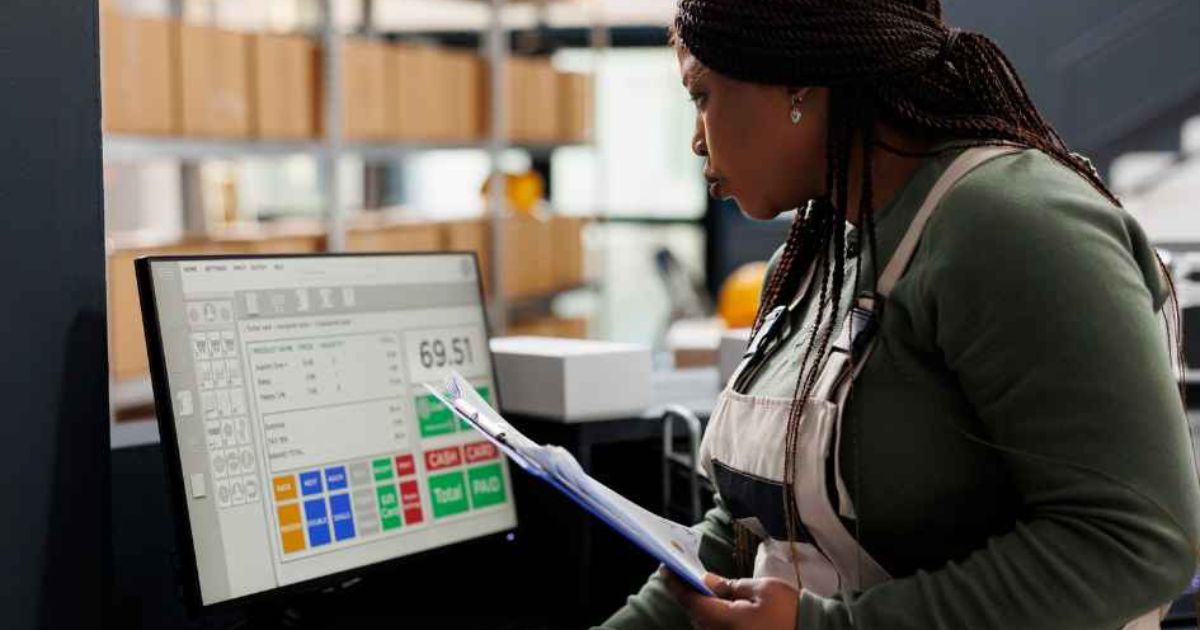
There is nothing as exciting as using technology to streamline the process of managing inventory and reduce the workload. Inventory management software can track stock levels automatically as products are being sold or restocked. These systems also create reports on inventory turnover, sales patterns, and stock levels, making it easy to monitor performance and make informed decisions.
Apps are available in the market, like Zoho Inventory, TradeGecko, and QuickBooks, which integrate with other business tools like e-commerce platforms and point-of-sale systems. When you are just starting, you may start with basic tools such as Excel or Google Sheets and advance as the business expands.
Continuously Improve Your Inventory Practices
Inventory management is not a one-time activity but a continuous process. Take time to analyse your inventory systems and performance metrics to highlight areas of improvement. Learn from past mistakes, such as stockouts or excess inventory, and adjust your approach in the right way. This will result in improvement of organisational efficiency and effectiveness in decision-making as time goes on.
Inventory management is an essential component of your business that needs to be given a lot of attention. Knowing your inventory, forecasting demand, setting reorder points, and automating your inventory processes will help you control your stock and make your customers happy. The best way to stay ahead is therefore to develop good working relationships with your suppliers, track the rate of turnover of inventory, and keep on improving this, all the time. By following these steps, you are equipped with the procedure to manage and control inventory to take your business to the next level of efficiency and profitability.