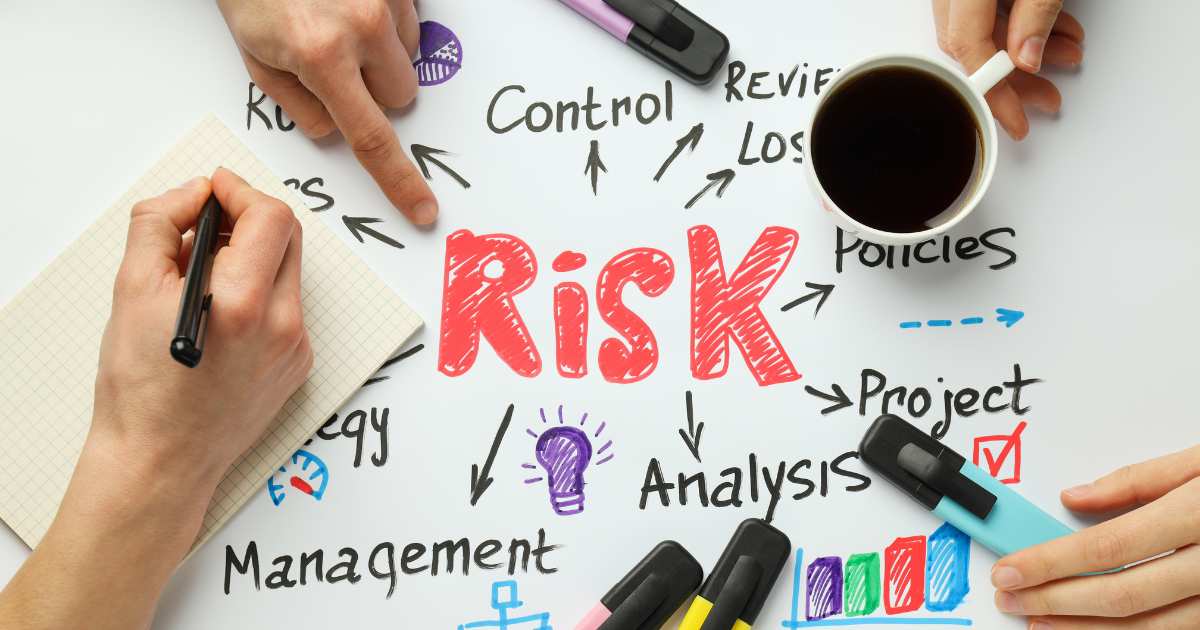
In 2026, identifying and correcting any funding risks is critical for small to medium-sized enterprises (SMEs) because of how selective funding is. Due to rising operating costs, economic downturns and high interest rates, being risk-free is a strategic pillar when it comes to funding.
SMEs seeking funding must identify their own risk because funders want to see businesses that demonstrate formal financial management, clear cash flow forecasting, and strong, independent operational structures. Without these structures in place, the business is seen as too risky.
In this article, we look at how to identify and correct risks within your business and show you how robust risk management acts as a critical funding pillar.
Identifying Risks in SMEs
As we know, risk management is a process that finds, assesses and mitigates risks. These risks are any issues or dangers that threaten the business financially, legally, or even physically (security and natural disasters). It aims to see the unforeseen; to prevent major losses by identifying the causes of possible threats.
Today, we look at how to identify risks within your business. Identifying risks requires two critical factors: continuity to ensure that new risks are consistently identified, and involving stakeholders. You can use the following methods to identify any risks:
Brainstorming Sessions
Brainstorming sessions can be a great way to bring together people from different departments or levels within your company to identify potential risks. Brainstorming can also be useful in discovering areas of uncertainty and ambiguity that can pose a risk to the business.
SWOT Analysis
A SWOT analysis will help you identify your company’s strengths, weaknesses, opportunities and threats. The data you get from the analysis will help you identify potential risks and vulnerabilities that could impact operations, assets and reputation.
Review Historical Data
By reviewing all your historical data, you can identify risks that the business has been exposed to in the past. A comprehensive analysis of historical data can determine which risks pose the greatest threat and which areas of risk management require improvement.
Stakeholder Interviews and Surveys
Stakeholder interviews and surveys are typically conducted with staff, customers, suppliers and regulators. These interviews and surveys can yield valuable insights into risks and their potential impact on your business.
Industry Benchmarking
Industry benchmarking in risk management is when you compare your risk management metrics against those of your competitors. The aim of this exercise is to identify ways to improve and which best practices to adopt to ensure effective risk management.
Pure Risk vs Speculative Risk in Business
Understanding the difference between pure and speculative risk is important for making more informed business decisions.
Pure Risk: Pure Risk involves situations where the outcome can only result in loss or no loss, such as fire, accidents, natural disasters, or liability claims. These are typically insurable risks.
Speculative Risk: Speculative risk involves the possibility of both gain and loss, like launching a new product, entering a new market, or investing in expansion. These risks are part of strategic decision-making and generally cannot be insured.
Correcting Risks Within Your Business
To effectively correct any risks within your business, you will need a robust strategy. Before you develop the strategy, you will need to prioritise risks using a universal scale based on each risk’s likelihood of happening. Consider the following categories:
- Very likely to occur
- Some chance of occurrence
- Small chance of occurrence
- Very little chance of occurrence
Any risks that fall into the ‘very likely to occur’ category should take priority over others, and a plan to mitigate these risks should be put in place.
Strategies to Manage Business Risks
The following strategies can help you effectively correct any risks within your business, positioning your business in a great standing for potential funding.
Strategy 1: Purchase the Correct Business Insurance
The first protection you need for your SME is business insurance. Assess your liabilities and legal regulations to determine what types of business insurance are needed for your business. Consider the following types:
- General business insurance
- Workers’ compensation
- Product liability insurance
- Commercial property insurance
- Cyber liability insurance
Strategy 2: Implement a Quality Assurance Program
Be sure to test your products or services in order to ensure the highest quality. By testing and analysing your offering, you will have the ability to make necessary adjustments. Quality assurance is critical to mitigating risks that could come from customer dissatisfaction.
Strategy 3: Manage High-Risk Customers
If you are in the business of providing credit to customers, immediately implement a rule that customers with poor credit must pay ahead of time. This will ensure you avoid any complications down the line and will help your cash flow stay positive. A positive cash flow shows potential investors that your business is sustainable.
Strategy 4: Establish a Risk Management Team
If you want to save money by not having an outside firm do your risk management, you can appoint current employees to head a risk management team. This will mean having to identify employees with risk management experience and potentially providing them with additional training.
Strategy 5: Leveraging Cybersecurity Resources
As cybercriminals increasingly target SMES, it’s important to leverage cybersecurity tools to manage this risk. By treating cybersecurity as a business fundamental component of business growth rather than an expense, SMES can reduce operational downtime, avoid devastating financial losses, and build trust with clients and potential investors.
How Risk Management Facilitates Access to Funding
For SMEs, risk management provides various benefits, with one of the most critical being its ability to facilitate access to capital. Investors and lenders are more likely to provide funding to businesses that demonstrate a strong control environment and effective risk management practices.
Here is how:
- Build Trust: Lenders and investors are more inclined to provide loans to SMEs that have strong governance and risk management frameworks. This shows them that the company has identified its risks, can manage them and reduces the likelihood of default.
- Investor Confidence: Investors look for businesses with clear, transparent risk management strategies. These companies are seen as better equipped to handle any potential challenges and protect investors and their investments.