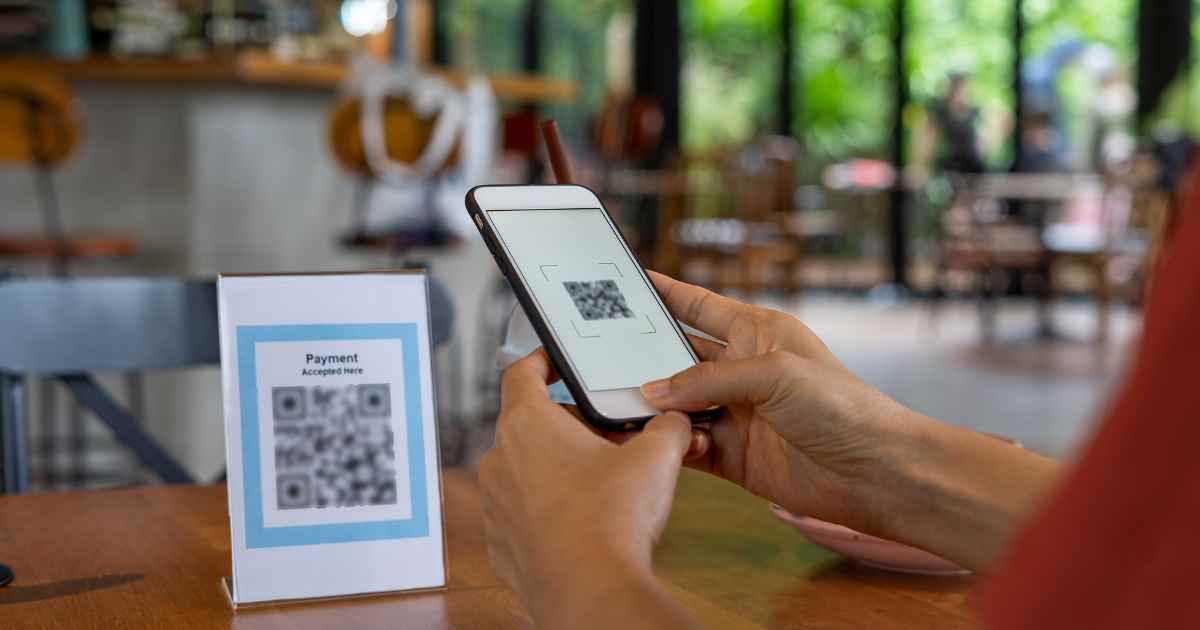
Moving to a fully cashless model, accepting only digital payments, genuinely reduces cash-handling risk and administrative burden, but it also excludes a real segment of South African customers who still rely on cash, which makes the decision genuinely dependent on your specific customer base rather than a universal best practice.
Weigh these honestly against your own specific business and customers.
The genuine advantages of going cashless
Reduced risk of theft, faster reconciliation, and cleaner digital records that support both compliance and financial management are all real, meaningful benefits of moving away from cash handling.
Digital payment methods often integrate directly with accounting software, reducing the administrative burden of manual cash reconciliation considerably.
The real exclusion risk this creates
Cash still dominates a meaningful share of transactions in the informal sector and among lower-income customers specifically, and a fully cashless model can genuinely exclude a real part of your potential customer base, not a hypothetical one.
Understand your own specific customer base honestly before assuming digital payment adoption matches the national trend evenly across every market segment.
A hybrid approach often fits better than an all-or-nothing choice
Accepting both cash and digital payments, while actively encouraging digital where practical, captures the efficiency benefits without the exclusion risk of going fully cashless, and suits many South African businesses better than an all-or-nothing switch.
Confirm any digital payment provider is properly authorised through the Financial Sector Conduct Authority before adopting it.
Make the decision based on your specific business
A business whose customer base is genuinely digital-first can benefit meaningfully from going cashless; a business serving a broader, more cash-reliant customer base risks real revenue loss from excluding them.
Our guide to why mobile-first online selling matters covers a related principle: building for the customer you actually have, not the one national trends suggest you should have.
Frequently asked questions
What are the genuine advantages of going cashless?
Reduced theft risk, faster reconciliation, and cleaner digital records that support compliance and financial management.
Does going cashless risk excluding customers?
Yes, genuinely. Cash still dominates a meaningful share of transactions among lower-income and informal-sector customers specifically.
Is a hybrid approach usually better than fully cashless?
Often yes, capturing efficiency benefits while avoiding the exclusion risk, suiting many South African businesses better than an all-or-nothing switch.
Should a digital payment provider be checked before adoption?
Yes, confirm it’s properly authorised through the Financial Sector Conduct Authority.
How should the cashless decision actually be made?
Based on your own specific customer base’s actual payment habits, not an assumption that a national digital trend applies evenly.