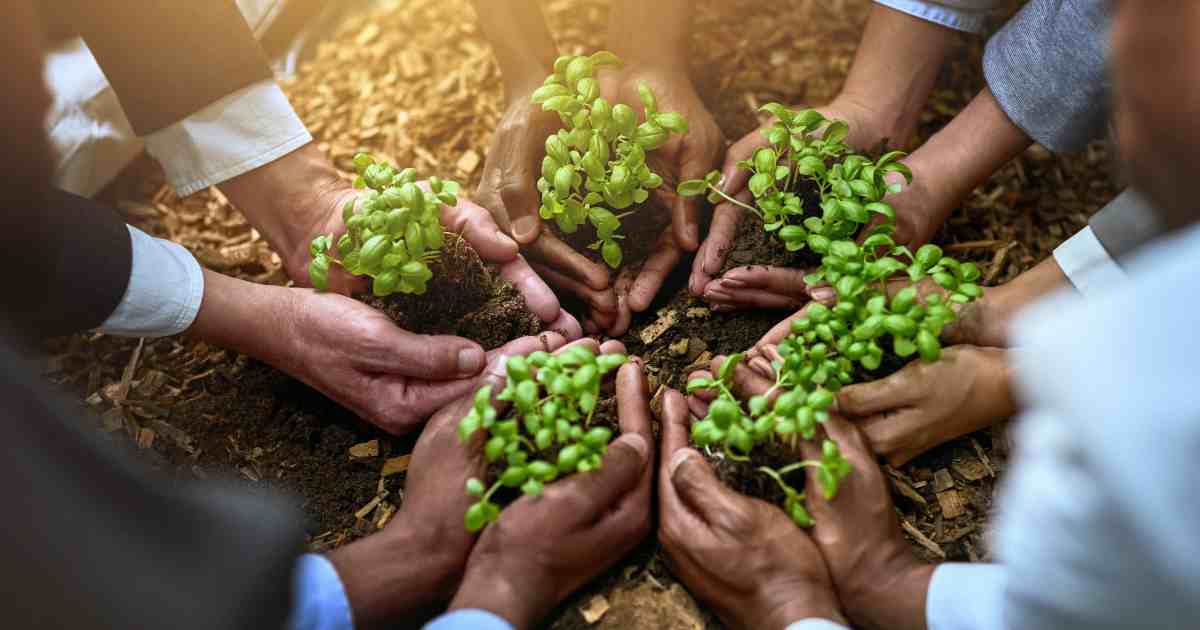
Sustainability for a small business is often assumed to mean environmental practices alone, but it’s increasingly a broader strategic consideration touching funding access, corporate procurement requirements and customer purchasing decisions, which makes it a genuine growth lever rather than only a compliance or cost consideration.
Understanding this broader picture matters for a growing business.
Sustainability increasingly affects funding and procurement
Development finance institutions and increasingly corporate procurement processes are incorporating sustainability criteria into their assessment, which means a business with genuine, demonstrable sustainability practices can access opportunities that stay closed to one without them.
This is a structural shift, not a passing trend, as larger corporates face their own increasing pressure to demonstrate sustainable supply chains, which flows down to how they select and assess smaller suppliers.
Customer purchasing decisions increasingly factor this in
A genuine, demonstrable commitment to sustainable practice increasingly influences purchasing decisions, particularly among younger consumers and business customers with their own sustainability commitments to uphold.
This needs to be genuine rather than superficial marketing, since customers and business partners increasingly scrutinise sustainability claims rather than accepting them at face value.
Practical sustainability steps that also cut cost
Energy efficiency, waste reduction and resource-efficient operations often genuinely reduce operating costs alongside their environmental benefit, making sustainability a rare case where the ethical and the economic case frequently align.
Start with the practical steps that both reduce cost and demonstrate genuine commitment, rather than an expensive certification pursued for marketing purposes without operational substance behind it.
Build this in deliberately as the business grows
Sustainability becomes progressively more relevant as a business grows and increasingly interacts with larger corporate and government customers who have their own sustainability requirements to meet. Standards and guidance on sustainable business practice are published by the South African Bureau of Standards.
Our guide to the socio-economic issues small businesses must understand covers a related set of structural conditions worth planning around deliberately.
Frequently asked questions
Does SME sustainability only mean environmental practices?
No. It increasingly touches funding access, corporate procurement requirements and customer purchasing decisions.
Does sustainability affect funding access?
Yes. Development finance institutions and corporate procurement processes increasingly incorporate sustainability criteria into assessment.
Do customers care about sustainability when purchasing?
Increasingly yes, particularly younger consumers and business customers with their own sustainability commitments.
Does sustainability always cost more?
Not necessarily. Energy efficiency and waste reduction often genuinely cut operating costs alongside environmental benefit.
Should sustainability claims be marketing-led or operational?
Operational and genuine. Customers and partners increasingly scrutinise claims rather than accepting them at face value.
Further reading
Originally published in 2024. Updated September 2026 into a broader explanation of what SME sustainability actually means beyond environmental compliance.