Social media marketing for small businesses is heading toward three destinations: buying happens inside the app rather than after leaving it, AI does the production work rather than the strategic work, and search behaviour is splitting between traditional search engines and social platforms themselves. Businesses still treating social media as a billboard rather than a storefront are the ones falling behind.
Here is what actually matters for a small business planning the next year, rather than a list of features to bolt on.
Social commerce has stopped being a trend and become infrastructure
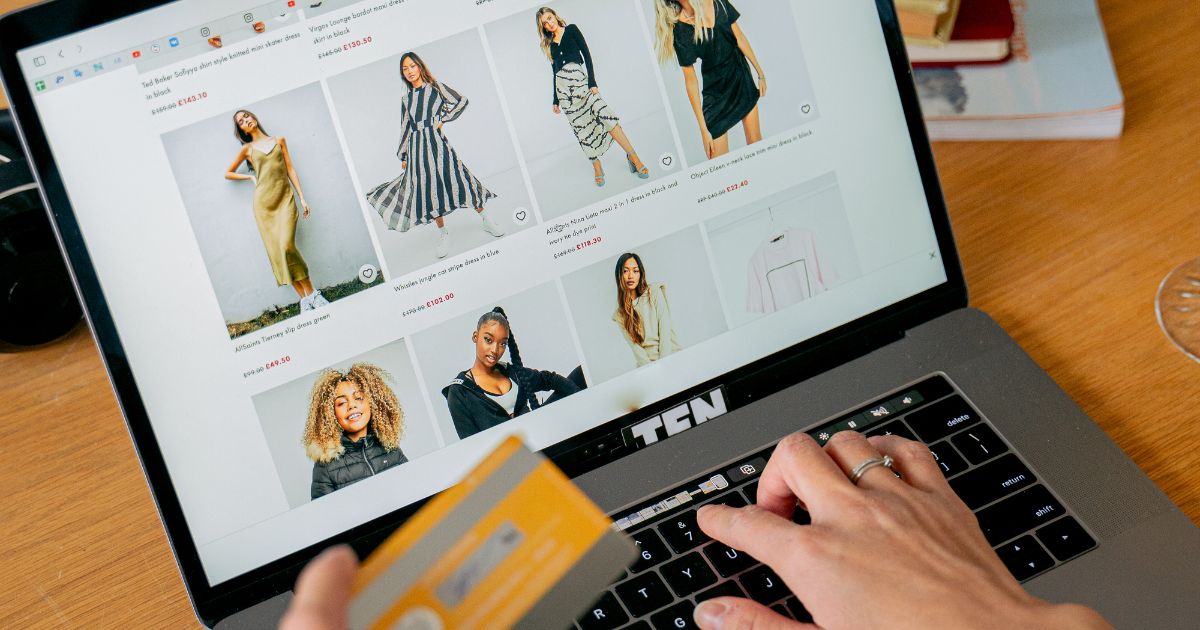
Buying without leaving the platform, via shoppable posts, in-app checkout and live shopping, is now built into every major platform rather than an experimental feature. For a small business, the practical implication is that your product catalogue needs to live inside the platform itself, not just on a linked website, because every extra tap between interest and purchase loses buyers.
Set up native shopping features on whichever platform carries your audience, keep the catalogue current, and treat the in-app checkout as the primary path rather than a nice-to-have alongside your website.
Short-form video is now the baseline, not the differentiator
Short-form video stopped being a growth hack once every platform adopted it: Instagram Reels, YouTube Shorts, and TikTok itself all compete for the same attention with the same format. Being present in the format no longer sets you apart. What sets a business apart now is specificity: the actual product being made, the actual problem being solved, filmed plainly rather than polished into something generic.
The businesses winning attention here are not the ones with the best production value, they are the ones showing something real that a viewer cannot get from a stock advert.
AI has moved from novelty to production tool, and that changes what you should use it for
Generative AI tools are now standard in most content workflows, for drafting captions, generating variations of an image, and building out a content calendar faster than doing it manually. That is genuinely useful and worth adopting.
What it has not solved, and will not solve for a small business, is judgement: knowing which post matters to your specific customers, when to break from the plan because something in the market shifted, and how to sound like your business rather than like every other business using the same tool. Use AI to remove the grunt work. Keep a human making the calls about what actually gets published and why.
Search is splitting between Google and the platforms themselves
A growing share of product and service searches, particularly among younger buyers, now start inside Instagram or TikTok rather than a search engine. That means keyword thinking now applies to your captions and video text the same way it has always applied to a website, and it is a discipline most small businesses have not adopted yet.
Practically: write captions as if someone will search the exact phrase you used, because increasingly someone will. Our guide on using social media for small business growth covers the wider strategy this fits into.
Influencer marketing has become genuinely accessible to small businesses
Micro and nano-influencers, meaning creators with smaller but highly engaged and relevant audiences, now cost a fraction of what a large-follower influencer charges, and they frequently convert better because their audience trusts them more directly. This has opened a channel that used to be priced out of reach for most small businesses.
Whether this is worth pursuing, and how to structure it without either overpaying or under-delivering on what the creator expects, is covered in our guide on whether your small business should partner with an influencer. If you do work with creators, remember they are independent contractors with their own tax obligations, not employees, which our piece on influencers as independent contractors sets out from their side of that relationship.
What this means for a small business planning next year
Pick the platform your actual customers use rather than chasing every trend across every channel. Build native shopping into whichever platform that is. Use AI for production speed, not for the decisions that require knowing your customers. Write your captions the way you would write a search query. And if influencer marketing is on the table, start with micro-creators whose audience genuinely overlaps with yours rather than chasing reach for its own sake.
Frequently asked questions
Should a small business use AI-generated content?
For drafting and speeding up production, yes. For deciding what to say and to whom, keep a person making that call, since AI cannot judge what will land with your specific audience.
Is social commerce worth setting up for a small catalogue?
Yes, if your audience already buys on the platform you use. Reducing the steps between interest and purchase measurably increases conversion regardless of catalogue size.
Do I need to think about SEO on social media now?
Increasingly yes. Write captions with the phrases people would search for, since platform search is becoming a genuine discovery channel alongside traditional search engines.
Is influencer marketing realistic for a small budget?
Yes, through micro and nano-influencers, who cost far less than large-follower creators and often convert better because their audience trusts them more directly.
What is the biggest mistake small businesses still make on social media?
Treating it as a broadcast channel rather than a storefront and a conversation, posting without a path to purchase and without responding to the people who engage.
Where to start
Set up native shopping on your primary platform if you have not already, and audit your last ten posts for whether they were written with search phrases in mind. Both are cheap to fix and both compound over the coming year.
This article was updated in September 2026.