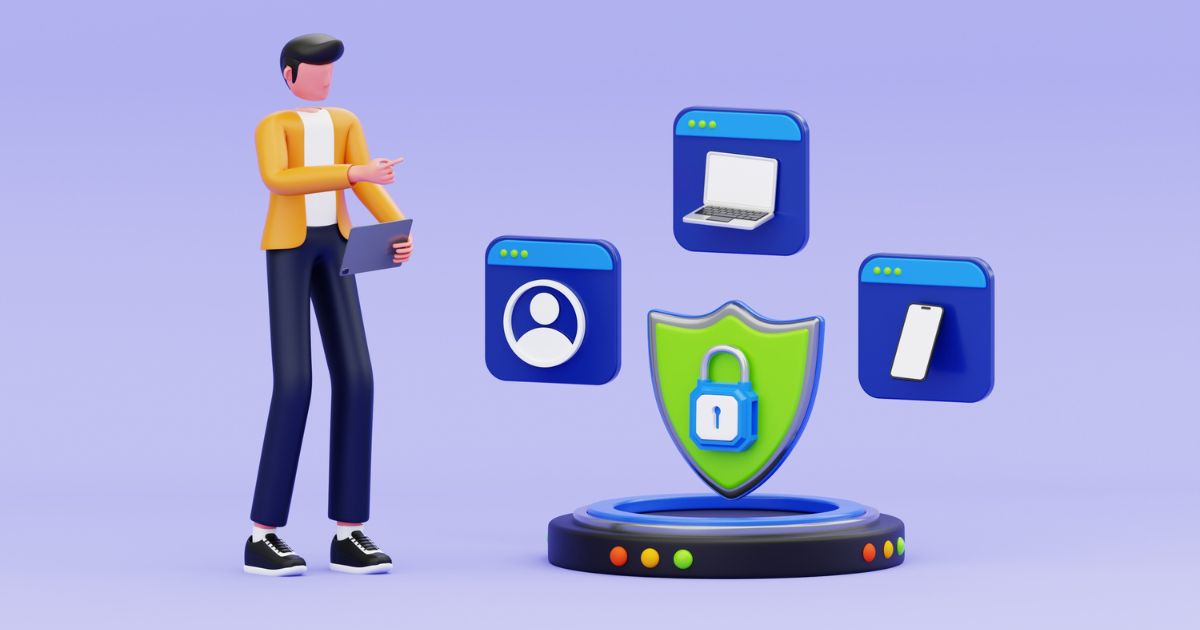
Using AI tools in a business, whether for content, customer service or decision-making, carries genuine legal implications that many small businesses overlook while focused on the tool’s convenience. Data protection, intellectual property ownership and accountability for what an AI tool actually produces all matter, and getting them wrong is a real compliance risk, not a theoretical one.
These are the areas that actually carry legal weight.
Data protection when feeding information to an AI tool
Entering customer or employee personal information into an AI tool triggers the same obligations under the Information Regulator’s requirements as any other processing of personal information, and many AI tools process data on servers outside South Africa, which raises additional cross-border transfer considerations.
Check a specific tool’s data handling terms before feeding it any personal or confidential business information, rather than assuming convenience implies compliance.
Intellectual property ownership of AI-generated content
Who owns content generated by an AI tool, and whether it can be trademarked or copyrighted in the same way as human-created work, remains a genuinely unsettled area of law in many jurisdictions, South Africa included. Treat AI-generated branding or creative work with appropriate caution before building significant business value around it.
Check the specific terms of service of any AI tool used, since some retain broader rights over generated output than a business owner might assume.
Accountability for AI-generated decisions or content
A business remains legally accountable for decisions made or content published using an AI tool, whether that’s a customer-facing chatbot giving incorrect information or AI-assisted content containing an error. The tool does not absorb the liability; the business using it does.
Human review before anything AI-generated is published or acted upon, particularly anything customer-facing or legally significant, remains a genuinely necessary safeguard, not an optional extra step.
Employment and contractual considerations
Using AI to automate tasks previously done by staff raises genuine labour law considerations if it affects roles or headcount, and these decisions need to follow the same fair process as any other restructuring.
Contracts with AI tool providers should be reviewed for what happens to your data, what liability the provider accepts, and what happens if the service changes or shuts down, the same diligence applied to any other business-critical vendor.
Frequently asked questions
Does feeding personal information into an AI tool trigger compliance obligations?
Yes, the same obligations under the Information Regulator’s requirements as any other processing of personal information, plus cross-border considerations for tools hosted overseas.
Who owns content generated by an AI tool?
This remains a genuinely unsettled area of law in many jurisdictions, so treat AI-generated branding or creative work with appropriate caution.
Is a business liable for AI-generated mistakes?
Yes. The business using the tool remains accountable, not the tool itself, which is why human review before anything is published or acted on matters.
Does replacing staff tasks with AI raise labour law issues?
Yes, if it affects roles or headcount, in which case it needs to follow the same fair process as any other restructuring.
What should be checked in an AI tool’s contract?
What happens to your data, what liability the provider accepts, and what happens if the service changes or shuts down.