As the world of business changes, so do the business models of small to medium-sized enterprises (SMEs). This change is particularly prevalent in the way in which all businesses approach warehousing.
Traditionally, warehouses presented a rigid storage solution that was quite costly in some areas. But with the growth of various enterprise-grade solutions, warehouses have become more tech-driven and more cost-effective.
In this article, we look at how warehousing has changed, what the low-cost solutions available to SMEs are, and provide strategies to ensure you secure an effective but cost-effective warehouse solution for your business.
Warehouse vs Micro-Warehousing for SMEs
Before we get into solutions, let’s look at the differences between micro-warehousing and traditional warehousing.
What is Micro-Warehousing?
Micro warehousing refers to using small-scale storage facilities strategically located close to customer locations. This method, also known as micro fulfilment, aims to speed up order fulfilment by storing inventory nearer to the end customer. An example of this is how super retailer Checkers leverages a micro-fulfilment (micro warehousing) strategy for its CheckersSixty60 grocery delivery service.
Another example of a micro-fulfilment solution that is growing in popularity is dark stores. Dark stores are essentially urban micro-fulfilment centres or specialised e-commerce distribution centres that are closed to the public and dedicated solely to fulfilling online orders. An example of a company that uses dark stores is online grocery delivery platform Zulzi. Unlike Checkers, Zulzi stores its products in dark stores, not actual retail stores.
What is Traditional Warehousing?
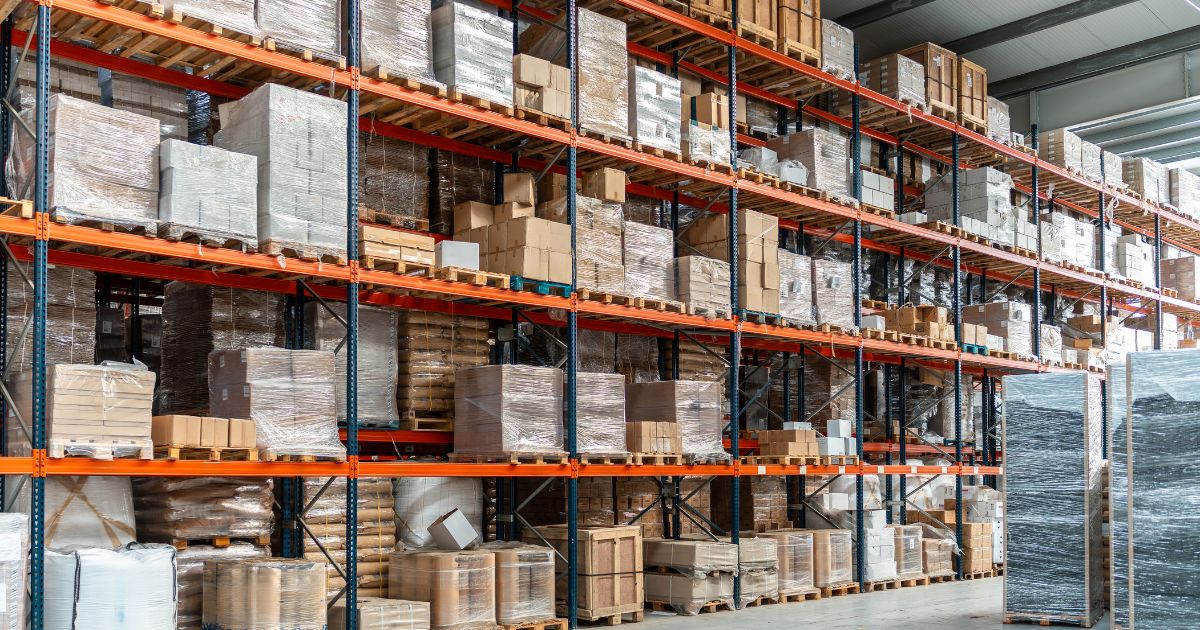
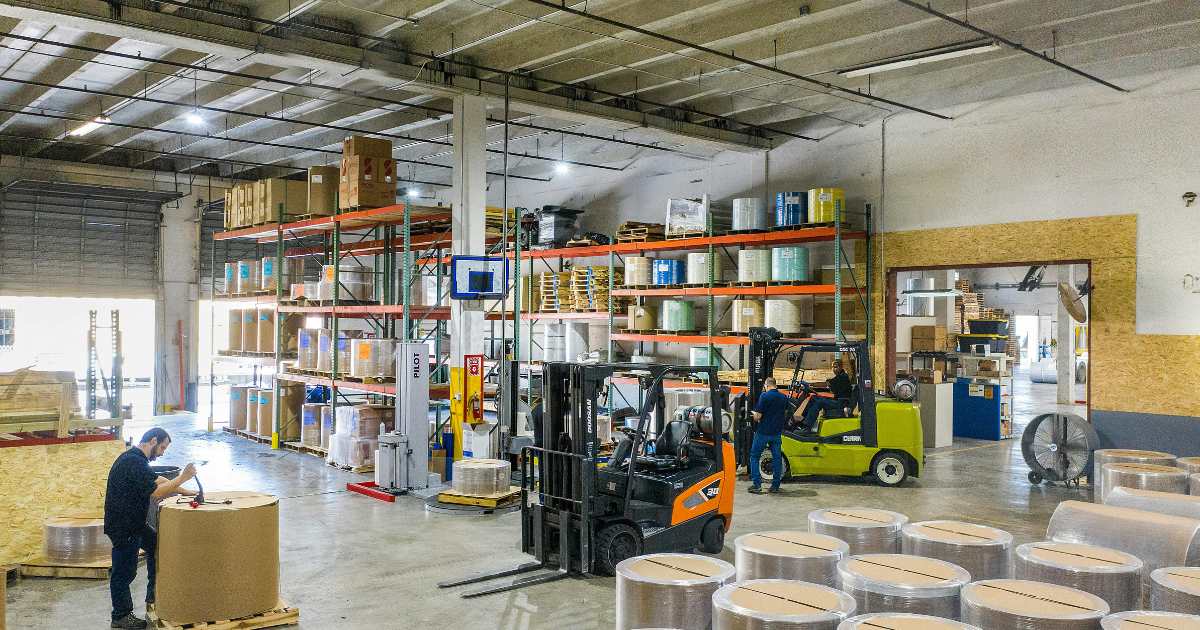
Traditional warehousing is a conventional, manual storage system where goods are stored long-term in rented or owned facilities, relying on human labour, forklifts, and pallet racking rather than advanced automation. An example of this is Takealot’s large warehouses located strategically across South Africa.
Advantages of Warehousing: Micro-warehousing, Traditional and Dark Stores
Let’s take a look at the various benefits of the three different types of warehousing: micro-warehousing, traditional warehousing and dark stores.
Advantages of Micro-Warehousing
Micro warehouses bring real benefits for retailers, food companies and any sector with strong online activity.
- Proximity to end consumers: The urban location of micro-warehouses contributes to reduced last-mile delivery times, shortened routes and more streamlined distribution.
- Faster and same-day delivery: Because of their proximity to buyers, micro-warehousing accelerates order fulfilment and supports speedy service delivery.
- High rotation stock availability: These hubs concentrate top-selling items to ensure they’re always on hand within city limits.
- Lower logistics expenses: Because of shortened delivery routes, micro-warehousing reduces the cost-per-order and helps keep operations lean.
- Enhanced buying experience: Micro-warehousing leads to faster delivery times, which increases customer satisfaction and loyalty in highly competitive markets, especially in e-commerce.
- Compatibility with modern distribution systems: Micro-warehouses integrate seamlessly with omnichannel strategies such as click and collect, making the shopping experience agile and convenient for buyers.
Advantages of Traditional Warehouses
Traditional warehouses still provide various benefits for businesses. These include:
- Stability: Traditional warehouses provide stable storage facilities, which are ideal for businesses that see predictable demand patterns. This stability enables organisations to keep items without having to make frequent modifications, allowing for long-term planning and effective inventory management.
- Security: Traditional warehouses prioritise product safety through regulated access, surveillance technology, and tight operating rules. Many facilities include physical barriers, 24/7 surveillance, and advanced security features such as biometric entry.
- Bulk storage: Traditional warehousing is designed for large-scale businesses and provides plenty of space to store big amounts of items. This is particularly advantageous for manufacturers and distributors that deal with large production quantities.
- Operational control: Traditional warehousing gives organisations more control over inventory management procedures. Companies with stable locations and defined operations can set up their own systems for inventory tracking, stock rotation, and order fulfilment.
Advantages of Dark Stores
These are the benefits of dark stores.
- Faster order processing and delivery: Dark stores speed up the picking, packing, and shipping of online orders. This is especially beneficial for grocery retailers who offer same-day delivery.
- Lower cost than traditional retail: Dark stores completely remove the need for sales staff, product displays, and high utility expenses. This allows businesses to invest more in logistics, automation, and ways to improve their supply chain.
- Improved inventory control: With centralised inventory tracking, dark stores can help retailers maintain better control of stock, reducing the risk of mishaps due to the advanced technology required to successfully manage these stores.
- Better shopping experience: Dark stores offer faster delivery options and, in some cases, convenient pickup services. This enables businesses to meet consumer expectations for speed and flexibility.
Choosing the Right Warehouse Solution
Choosing the right warehouse is not only about storage. It’s a strategic decision impacting your entire supply chain, customer satisfaction, and profitability. When choosing the right warehouse solution for you, consider the following factors:
1. Storage Needs and Inventory Type
Begin by clearly understanding your inventory’s characteristics. Are you dealing with perishable items requiring temperature control? Or perhaps general merchandise that needs basic storage?
Remember the following:
- A cold storage warehouse is essential if you handle temperature-sensitive goods
- Customs warehouses benefit businesses regularly importing products
- Bonded warehouses benefit businesses regularly importing products.
2. Analyse Order Volume and Fulfilment Speed
The speed and scale of your order fulfilment have a significant influence on your warehouse selection. Fulfilment centres and distribution centres are optimised for quick, high-volume turnover, perfect for e-commerce and retail businesses. On the other hand, public warehouses may be better for lower-volume, variable inventory levels, providing flexibility and cost-effectiveness.
3. Factor in Budget, Location and Scalability
Cost, proximity to the target audience or suppliers, and scalability are intertwined and all equally important. Remember the following:
- Public warehouses require minimal upfront investments, which is great if you’re budget-conscious or have a growing business.
- Smart warehouses, such as dark stores, while initially more expensive, deliver long-term cost savings if you have predictable storage needs.
- Location matters – a centrally-located distribution centre reduces shipping costs and speeds up deliveries.
- A scalable warehouse solution ensures the chosen warehouse can accommodate growth or seasonal spikes without operational disruptions.
4. Assess your Tech Readiness
Advanced warehouses leverage technology to deliver unparalleled efficiency. But adopting these solutions depends a lot on your technology readiness. Consider the following:
- Smart warehouses using automation, robotics, IoT, and Warehouse Management Systems (WMS) can streamline operations dramatically. However, they might require substantial upfront investment and technical expertise.
- If your business aims for high operational efficiency and accuracy, investing in smart warehouse technologies might be necessary despite the initial costs.
5. Align your Distribution Model
Your warehouse choice needs to align with your product distribution strategy, whether its direct-to-consumer (DTC), business-to-business (B2B), or omnichannel. Keep in mind the following:
- DTC brands benefit immensely from dedicated fulfilment centres optimised for e-commerce logistics.
- Wholesalers or B2B companies might find consolidated warehouses ideal for reducing shipping complexity and costs.
- Businesses using hybrid or omnichannel models need flexible setups like smart warehouses or distribution centres to manage diverse distribution requirements efficiently.
The above five points should help you refine your warehouse strategy and overall distribution model. Remember, investing in a warehouse needs a lot of capital, no matter what type you choose. SMEs who still need to raise the right amount of capital for their own warehouse can leverage fulfilment benefits on e-commerce platforms like Takealot.