Last updated: September 2026. Poultry farming is often described as an easy entry into agriculture. It is not, and the reason is worth understanding before you spend anything: the business is decided by feed cost, mortality and whether you have a buyer, and none of those are solved by owning chickens. What you need before you start is a decision on broilers or layers, housing that keeps birds alive, a confirmed offtake, and enough working capital to fund a full production cycle.
Broilers or layers, and why it changes everything
Broilers are raised for meat and reach market weight in roughly five to seven weeks. That is a short cycle, so money turns over quickly, but you are exposed to feed prices and to the chicken price at the end of every cycle.
Layers are kept for eggs and only begin producing at around four to five months, then lay for well over a year. That means a long period of feeding birds that earn nothing, followed by steady daily income. It is a working capital problem at the start and a cash flow advantage later.
Choose one before you build anything. The housing, the equipment and the buyer are different for each, and trying to do both at a small scale usually means doing neither well.
Feed is the business
Feed is by far the largest running cost in poultry, well ahead of labour, chicks or electricity. Small changes in the feed price move your margin more than anything else you control.
The practical consequences are that you should price feed from more than one supplier before committing, buy in the largest quantity you can store properly and afford, and build your projections on a realistic feed conversion rather than a supplier’s best case. A business plan that assumes cheap feed and no wastage is not a plan.
Housing, biosecurity and mortality
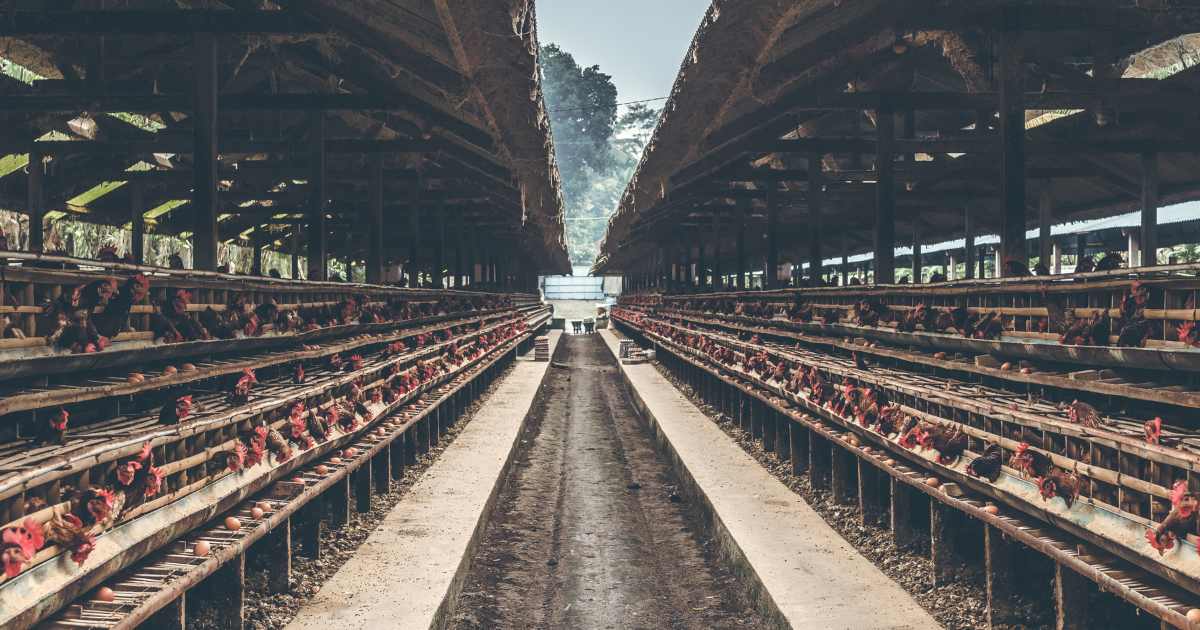
Birds die, and how many die is largely determined by housing and hygiene. Ventilation without draughts, dry bedding, consistent temperature for young chicks, clean water and protection from predators are what keep mortality within a range the business can absorb.
Biosecurity is the discipline most new farmers underestimate: controlling who enters the houses, disinfecting footwear and equipment, keeping wild birds out, and not moving between flocks of different ages without changing. Avian influenza outbreaks have repeatedly disrupted the South African poultry sector, and suspected notifiable disease must be reported to a state veterinarian. Losing a flock to disease you could have excluded is the most common way a small poultry operation fails.
Sort out zoning and environmental requirements first
Intensive animal keeping is a regulated land use. Most municipalities require consent use or a specific agricultural zoning, and there are usually minimum distances from neighbouring dwellings and watercourses because of smell, flies and effluent.
Larger operations can also trigger environmental authorisation requirements, and waste and carcass disposal must be lawful. Confirm all of this with the municipality before building housing. Departmental contacts and the relevant services are listed on the government services portal.
Secure the buyer before you scale
The mistake that ends more poultry businesses than disease is producing birds with nowhere to sell them. Live sales at the farm gate, informal traders, butcheries, spaza shops, restaurants and processors are all different buyers with different requirements, prices and payment terms.
Speak to buyers before your first cycle and understand what volume they take, how often, at what price and how quickly they pay. A verbal promise to buy is not an offtake. Where a buyer requires certified processing or cold chain, know that before you commit, because meeting it is a capital decision.
Funding
Development finance is available for agricultural ventures, and the National Empowerment Fund runs funds aimed at entrepreneurs and at women-owned businesses. The National Youth Development Agency supports applicants under 35, and provincial departments run their own agricultural support programmes.
Applications succeed on the same things regardless of the funder: a registered compliant entity, a site you have secured, evidence of a market, and a plan whose numbers hold up on feed and mortality. Funders in this sector have seen many optimistic poultry plans, so realistic assumptions read as competence rather than as weakness.
Start smaller than you want to
Run one full cycle at a size you can afford to lose. You will learn your actual mortality, your actual feed conversion and your actual selling price, and those three numbers tell you whether the larger version works. Scaling before you know them means scaling a guess.
Frequently asked questions
Is broiler or layer farming better for a beginner?
Broilers turn over faster and need less working capital before first income. Layers need months of feeding before the first egg but then produce daily. Pick one deliberately rather than doing both.
What is the biggest cost in poultry farming?
Feed, by a clear margin. It moves your profit more than any other input, so price it from several suppliers and plan on realistic conversion and wastage.
Do I need municipal approval to keep chickens commercially?
Generally yes. Intensive animal keeping needs appropriate zoning or consent use, and there are usually distance requirements from neighbouring homes and watercourses.
What kills small poultry businesses most often?
Disease that better biosecurity would have excluded, and producing birds without a confirmed buyer. Both are preventable before the first chick arrives.
Where can I get funding?
Development finance institutions, the National Youth Development Agency for under-35s, and provincial agricultural programmes. All of them want a compliant entity, a secured site and evidence of a market.
How big should the first cycle be?
Small enough that losing it does not end the business. One full cycle gives you your real mortality, feed conversion and selling price, which is what any larger plan has to be built on.