Lists of inspiring entrepreneurs are easy to write and easy to forget. What makes the ten women below worth studying is not that they succeeded, it is how differently each of them got there: a biotechnologist who commercialised her science, a winemaker who entered an industry with no one who looked like her in it, a nail technician in Soweto who turned a favour for friends into a business.
Between them they cover biotechnology, agriculture, wine, fashion, beauty, music, medical devices and private equity. That range is the point. There is no single route.
Dineo Lioma
Dineo Lioma co-founded three biotechnology companies: Deep Medical Therapeutics, CapeBio Technologies and Incitech. Her work sits at the commercial end of science, taking laboratory capability and turning it into products that get sold, which is the step where most research stalls.
She was named among Forbes Woman Africa’s Top 20 Wealth Creators.
Dr Aisha Pandor
Dr Aisha Pandor co-founded SweepSouth, the platform that connected households to domestic cleaning services and, in doing so, formalised income and access to work for tens of thousands of domestic workers. She holds a PhD in human genetics, which makes her route into a services marketplace an unusual one.
She stepped down as chief executive in January 2024, handing over to Lourandi Kriel while remaining an executive director. She has since focused on Pandora Health, a venture aimed at helping women manage chronic health conditions.
She won the Forbes Woman Africa Technology and Innovation Award.
Nneile Nkholise
Nneile Nkholise founded iMED Tech, which produces medical prostheses and bio-implants, and later 3DIMO, focused on cattle breeding and livestock traceability.
The World Economic Forum named her Africa’s top female innovator in 2016 and again in 2018, and she has appeared on the Forbes Africa 30 under 30 list. Both of her ventures apply the same underlying capability to entirely different markets, which is a useful lesson in itself.
Siphesihle Kwetana
Siphesihle Kwetana started the Siphe Development and Capacitation Agency in 2014, an agricultural business supplying vegetables to supermarkets.
She is from Cofimvaba in the Eastern Cape and had not planned a career in agriculture. Supplying formal retail is one of the harder routes for a small producer, because it demands consistency of volume and grading that most smallholders cannot meet, which makes the achievement a substantial one.
Ntsiki Biyela
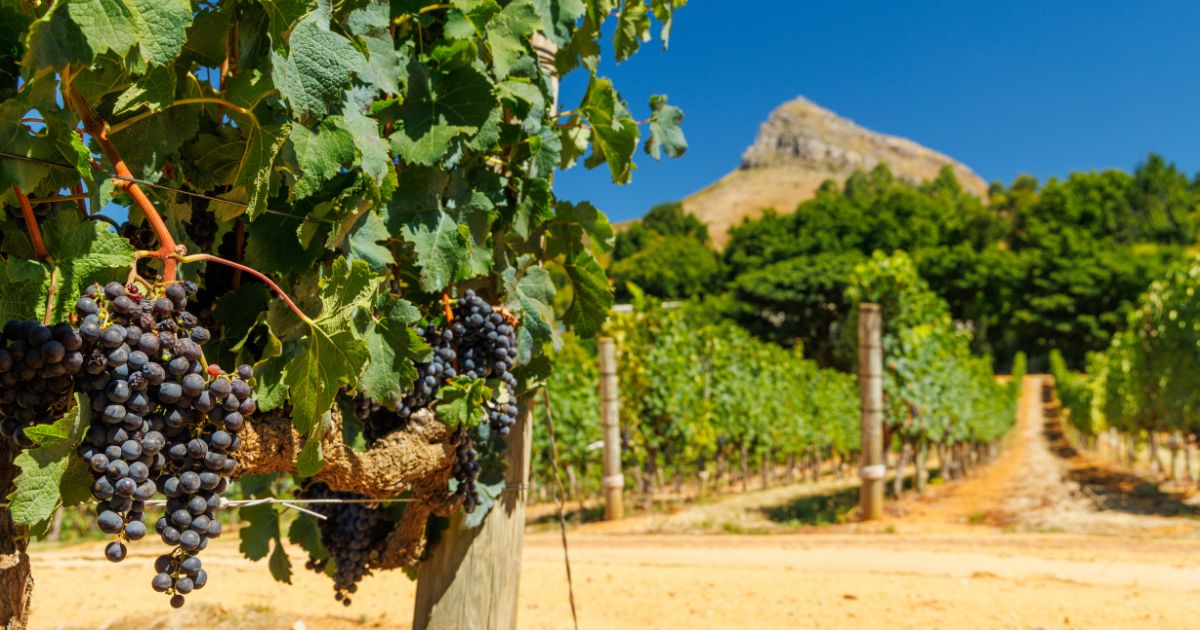
Ntsiki Biyela became South Africa’s first black female winemaker and went on to found Aslina Wines, named after her grandmother. Her wines are distributed internationally.
Her awards include the Michelangelo Wine and Spirits Award, Japan’s Sakura Awards, and the Wine Harvest Commemorative Event Diversity and Transformation Award in 2021. She entered an industry with almost no one from her background in it and built a label under her own name rather than working inside someone else’s.
Bontle Mogoye
Bontle Mogoye is a media personality and fashion designer who has styled prominent figures and magazine covers.
She is from Kroonstad in the Free State and served ten years in the South African National Defence Force before moving into fashion. Hers is a useful story for anyone who thinks a career change comes too late, or that you have to start in a major city.
Phiwe Mngadi
Phiwe Mngadi owns Plush Nail Art Studio in Soweto, which she opened after doing nails and lashes for friends and schoolmates.
It is the most replicable business on this list, and that is exactly why it belongs here. A skill practised for free, then priced, then given a premises. Most businesses that survive start closer to this than to a funding round.
Ntombezinhle Jiyane, known as DJ Zinhle
DJ Zinhle won the 2020 Forbes Woman Africa entertainer award for her work as a DJ and music producer, and has built brands across interiors, watches, sunglasses and jewellery, alongside a sparkling wine venture.
She has collaborated with Nungu Diamonds on a jewellery collection among other partnerships. What is instructive is the deliberate conversion of an audience built in one industry into products sold in several others.
Palesa Mokubung
Palesa Mokubung started the clothing label Mantsho in 2004 and has shown on runways internationally. She has collaborated with major brands and partnered with the decor company Airloom on textile pieces such as rugs and cushions.
Two decades of continuous trading is the achievement here. Fashion labels are unusually good at launching and unusually bad at lasting.
Milisa Mabinza
Milisa Mabinza founded Khula Lula, described as the country’s first black woman owned private equity fund directed at black woman owned technology start-ups, later extending into fashion and beauty ventures.
Capital allocation is where the smallest number of black women operate, and moving from raising money to deciding who receives it changes who gets funded next.
What their routes have in common
Look past the industries and a few patterns repeat.
Most started with a capability they already had rather than a gap they spotted in a report: a PhD, a defence force career, a skill practised on friends. Several built the second business on the infrastructure of the first. And almost all of them own the brand rather than operating inside someone else’s, which is what turned effort into an asset.
If you are looking at the funding side of this, our guide on where to access funding for women-owned businesses covers the practical routes, and business ideas for women is a starting point if you are still deciding.
Frequently asked questions
Who was South Africa’s first black female winemaker?
Ntsiki Biyela, who went on to found her own label, Aslina Wines, which is distributed internationally.
Who founded SweepSouth?
Dr Aisha Pandor co-founded it. She stepped down as chief executive in January 2024, remaining an executive director, and has since focused on Pandora Health.
Do you need capital to start?
Not always. Several businesses on this list began with a skill and no outside funding, including a nail studio that started with friends and schoolmates before it had premises.
Where can women-owned businesses find funding?
There are dedicated routes through development finance, enterprise development programmes and funds focused on women-owned businesses. Our guide on accessing funding for women-owned businesses sets out the options.
Further reading
Originally published in December 2022. Updated September 2026. This is a record of what each of these entrepreneurs built. Roles, companies and awards change over time, so treat the achievements as the durable part and confirm anyone’s current position before relying on it.