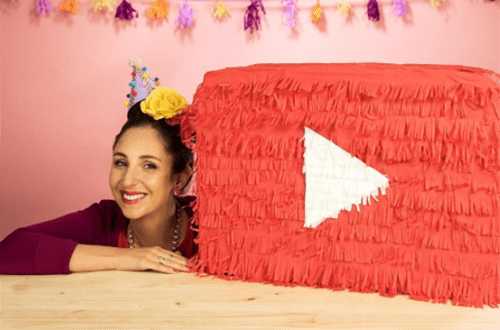
Online popularity alone does not automatically become a business, the creators who successfully convert an audience into sustainable income are the ones who deliberately build monetisable products, brand partnerships or services around that audience rather than relying purely on ad revenue from views. Popularity is the starting asset; a genuine business model is what has to be deliberately layered on top of it.
A large following creates attention and reach, but attention alone does not pay bills, converting that attention into a sustainable income stream requires the same business fundamentals any other venture needs.
Multiple revenue streams reduce dependence on any single platform
Creators relying purely on a single platform’s ad revenue are exposed to that platform’s algorithm and policy changes in a way creators who have diversified into merchandise, brand partnerships, or their own products are not. Diversifying revenue sources is as important for a content creator as it is for any other small business.
Authentic audience connection is the actual asset being monetised
The genuine value a brand partnership or product launch draws on is the creator’s authentic connection with their specific audience, not simply their follower count, which means a creator who dilutes that authenticity by promoting misaligned products risks damaging the very asset their business depends on.
Consistency in content and presence builds the audience that monetisation depends on
Sustained, consistent content output over time, rather than sporadic activity, is what builds and retains the size and engagement of audience that makes monetisation viable in the first place, making consistency itself a business fundamental rather than only a content strategy.
Treating content creation as an actual business changes what decisions get made
Creators who treat their channel as a genuine business, with deliberate product decisions, brand partnership vetting and revenue diversification, build more durable income than those treating content creation purely as a creative hobby that happens to generate some revenue.
Income earned from content is taxable in the same way as any other trading income, and the registration requirements are published by the South African Revenue Service.
Frequently asked questions
Does having a large online following automatically translate into a viable business?
No. Popularity creates attention and reach, but converting that into sustainable income requires deliberately building monetisable products, partnerships or services around the audience, the same business fundamentals any other venture needs.
Why is relying purely on platform ad revenue risky for a content creator’s business?
Because it exposes the creator entirely to that platform’s algorithm and policy changes, whereas diversifying into merchandise, partnerships or owned products reduces dependence on any single platform’s decisions.
What is actually being monetised when a creator partners with a brand?
The creator’s authentic connection with their specific audience, not simply their follower count, which is why promoting a poorly aligned product can damage the very asset the creator’s business depends on.
Does consistency in posting actually affect a creator’s ability to monetise?
Yes, significantly. Sustained, consistent content output builds and retains the audience size and engagement that makes any monetisation strategy viable, making consistency a business fundamental rather than only a content habit.
What is the biggest mindset shift needed to turn content creation into a real business?
Treating the channel as an actual business, with deliberate product decisions, partnership vetting and revenue diversification, rather than as a creative hobby that happens to generate some income.
Originally published in June 2017. Updated September 2026 to focus on the lasting monetisation principles behind creator businesses rather than the original specific list of individuals.