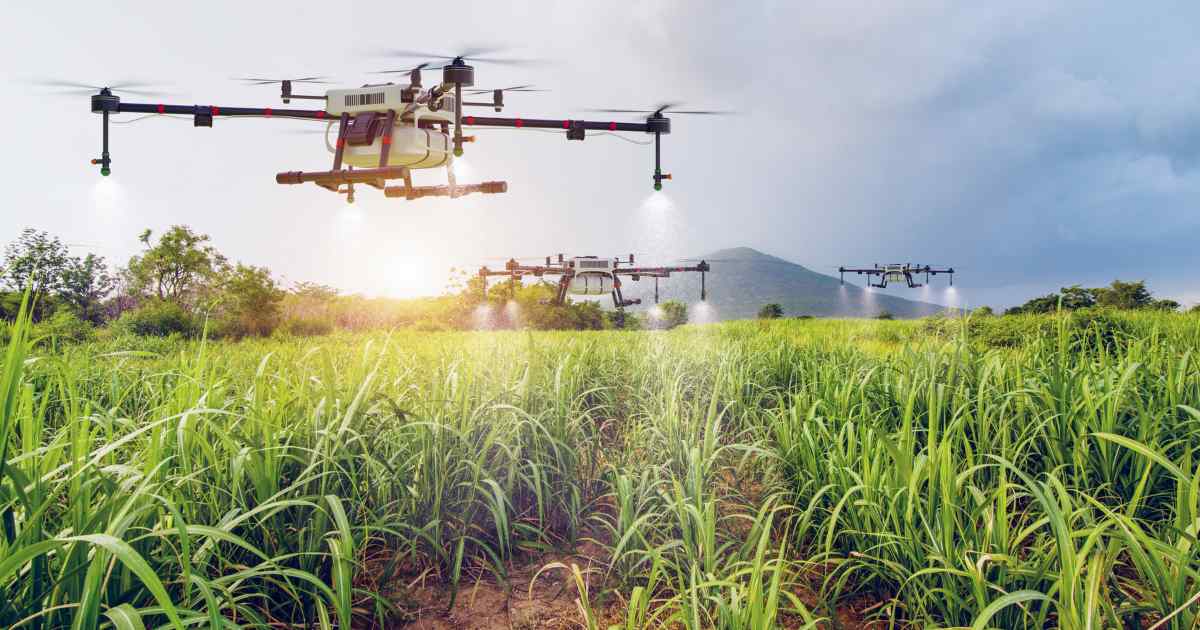
Agri-tech, applying digital technology to agriculture, offers genuine productivity gains for a South African farm, and understanding where it makes the biggest practical difference matters more than adopting technology broadly without a clear application in mind.
These are the areas where agri-tech genuinely improves farm productivity.
Better planning through genuine data
Satellite imagery, data analytics and farm management software help optimise land use, monitor soil health and plan crop rotations with considerably more precision than relying on experience and observation alone.
This genuinely reduces the guesswork in decisions that have significant consequences if they turn out wrong, like what to plant where and when.
Monitoring that catches problems earlier
Sensors and monitoring tools that track soil moisture, weather conditions or crop health can flag problems considerably earlier than manual inspection alone, giving a farmer genuine time to respond before a small issue becomes a significant loss.
This early-warning value compounds over a growing season, where timing often determines how much a problem actually costs.
More efficient use of water and other inputs
Precision irrigation and input-application technology can reduce water, fertiliser and pesticide use while maintaining or improving yield, which matters both for cost control and for genuinely sustainable resource use.
This efficiency gain is one of the more immediately measurable returns on agri-tech investment for many farms.
Access support for adopting agri-tech properly
Development finance specifically aimed at agriculture, including funding for productivity-improving technology, is available through the Land Bank, South Africa’s dedicated agricultural development finance institution.
Starting with one specific, well-understood application rather than adopting several new technologies simultaneously makes it easier to genuinely measure the return before expanding further.
Frequently asked questions
What is agri-tech?
Applying digital technology, like data analytics, sensors and precision tools, to agriculture to optimise production.
How does agri-tech improve farm planning?
Satellite imagery and data analytics allow more precise land use, soil health monitoring and crop rotation planning than experience alone.
Can agri-tech help catch problems earlier?
Yes, sensors monitoring soil moisture or crop health can flag issues considerably earlier than manual inspection.
Does agri-tech help reduce input costs?
Yes, precision irrigation and input-application technology can reduce water, fertiliser and pesticide use while maintaining yield.
How should a farm start adopting agri-tech?
With one specific, well-understood application, to properly measure the return before expanding further.