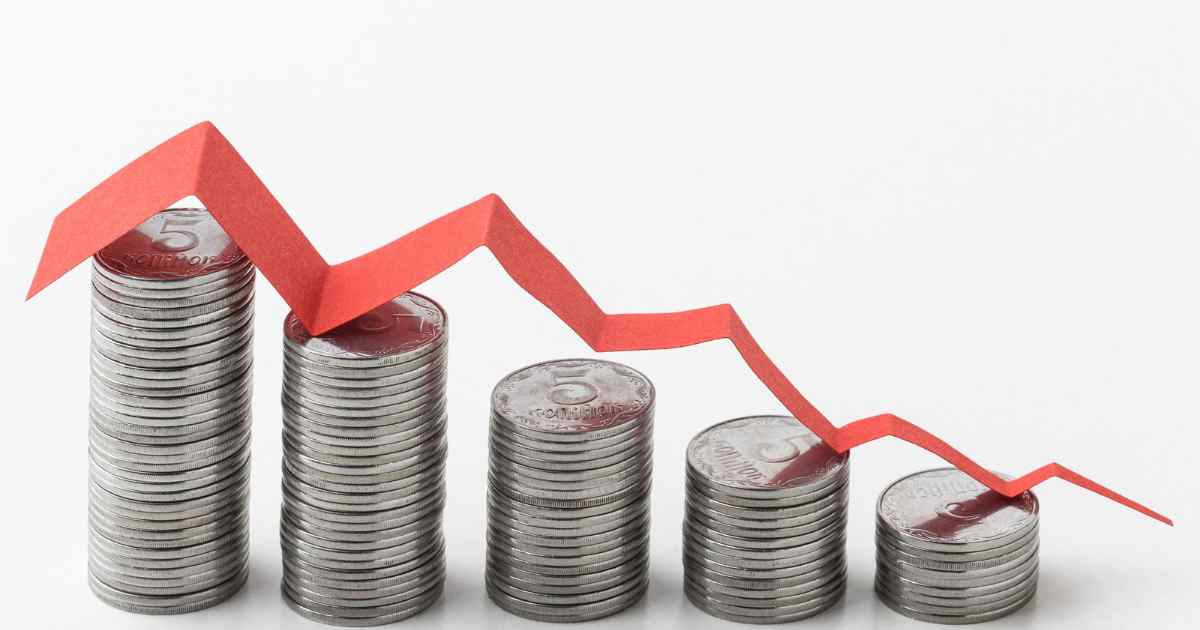
Inflation, the general rise in prices across an economy, erodes a business’s purchasing power on the cost side while also affecting what customers can afford to spend, squeezing margins from both directions simultaneously if not actively managed.
These are the practical responses worth taking rather than simply absorbing rising costs.
Understand where inflation actually hits your specific business
Input costs, materials, stock, fuel, rise with inflation, but not always evenly across categories, so understanding which specific costs in your business are most exposed matters more than reacting to the general inflation figure.
Track your actual cost trends closely rather than relying on the general reported inflation rate, since your business’s specific cost basket may be rising faster or slower than the headline figure.
Pricing decisions need to be deliberate, not reactive
Absorbing rising costs without adjusting prices erodes margin steadily and can become unsustainable if continued too long; regular, planned price reviews protect margin better than an occasional large, jarring price increase forced by a cash crisis.
Where possible, communicate price changes to customers with context, since a clearly explained, modest increase is generally better received than a large, unexplained one.
Manage the cash flow side actively
Inflation also affects customers’ own finances, which can slow payment or reduce demand, so managing receivables and maintaining a cash buffer becomes more important during inflationary periods, not less.
Our guide to improving business cash flow covers the practical steps that matter most when margins are under this kind of pressure.
Lock in costs where genuinely possible
Longer-term supplier contracts at a fixed price, where a supplier is willing to offer them, can protect against further input cost rises, though this needs to be weighed against the flexibility lost if prices later fall or a better supplier option emerges.
Understand current interest rate and monetary policy conditions through the South African Reserve Bank, since interest rates and inflation are closely connected and affect both your own borrowing costs and customer spending power.
Frequently asked questions
How does inflation affect a small business specifically?
It raises input costs while also affecting what customers can afford, squeezing margins from both directions if not actively managed.
Should all rising costs be absorbed rather than passed on?
No. Absorbing costs indefinitely erodes margin unsustainably; regular, planned price reviews protect margin better than a delayed, large increase.
Does inflation affect cash flow beyond pricing?
Yes. It can affect customers’ own finances, slowing payment or reducing demand, making active cash flow management more important.
Can input costs be locked in against inflation?
Sometimes, through longer-term supplier contracts at a fixed price, weighed against the flexibility lost if conditions change.
Why does monitoring interest rates matter alongside inflation?
They’re closely connected and affect both a business’s own borrowing costs and customer spending power.
Originally published in 2024. Updated September 2026 into more practical guidance on how inflation actually affects small business finances and what to do about it.