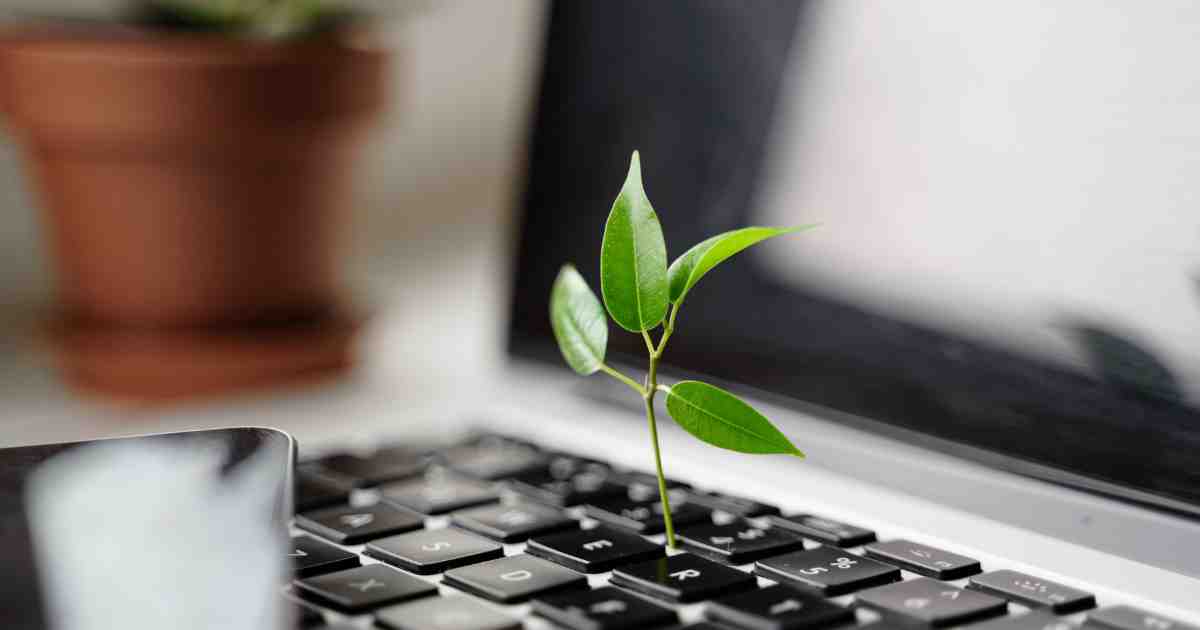
Sustainable business practices are sometimes adopted as a marketing angle without genuine substance behind them, but done properly, they offer a small business genuine cost savings and resilience benefits beyond any marketing value, worth pursuing for their own sake, not only for appearance.
These are the elements of genuinely sustainable practice, distinct from surface-level marketing.
Distinguish genuine practice from marketing appearance
Genuinely sustainable practices produce measurable, real change, in resource use, waste, or supply chain choices, while surface-level ‘greenwashing’ produces marketing messaging without matching substance, and customers increasingly notice this difference.
Being honest about a business’s actual current sustainability position, rather than overstating it, protects credibility considerably better than exaggerated claims.
The genuine cost-saving side of sustainability
Reducing energy use, waste and unnecessary resource consumption often directly reduces operating costs, meaning genuinely sustainable practices can deliver real financial benefit, not simply an ethical or marketing one.
This cost-saving angle is worth pursuing even for a business not otherwise motivated by broader sustainability goals.
Start with changes genuinely within reach
A small business doesn’t need to overhaul its entire operation at once; starting with specific, genuinely achievable changes, energy efficiency, waste reduction, supplier choices, builds real progress without requiring resources a smaller business doesn’t have.
Our guide to optimising your business through small improvements covers this kind of incremental, genuinely achievable approach more broadly.
Communicate genuine progress honestly
Where a business does make genuine sustainability progress, communicating it honestly and specifically, rather than through vague, unsubstantiated claims, builds more credible value with increasingly sustainability-conscious customers.
Consumer protection principles around honest, substantiated marketing claims are set out by the Department of Trade, Industry and Competition.
Frequently asked questions
Are sustainable business practices only a marketing angle?
Not when done properly; they offer genuine cost savings and resilience benefits beyond any marketing value.
What distinguishes genuine sustainability from greenwashing?
Measurable, real change in resource use or supply chain choices, versus marketing messaging without matching substance.
Do sustainable practices genuinely save money?
Yes, reducing energy use, waste and resource consumption often directly reduces operating costs.
Does a small business need to overhaul everything at once?
No, starting with specific, genuinely achievable changes builds real progress without requiring resources it doesn’t have.
How should sustainability progress be communicated?
Honestly and specifically, rather than through vague, unsubstantiated claims, to build genuine credibility.
Further reading
Originally published in 2024. Updated September 2026 into a clearer explanation of what genuinely sustainable business practice looks like, beyond surface-level marketing.