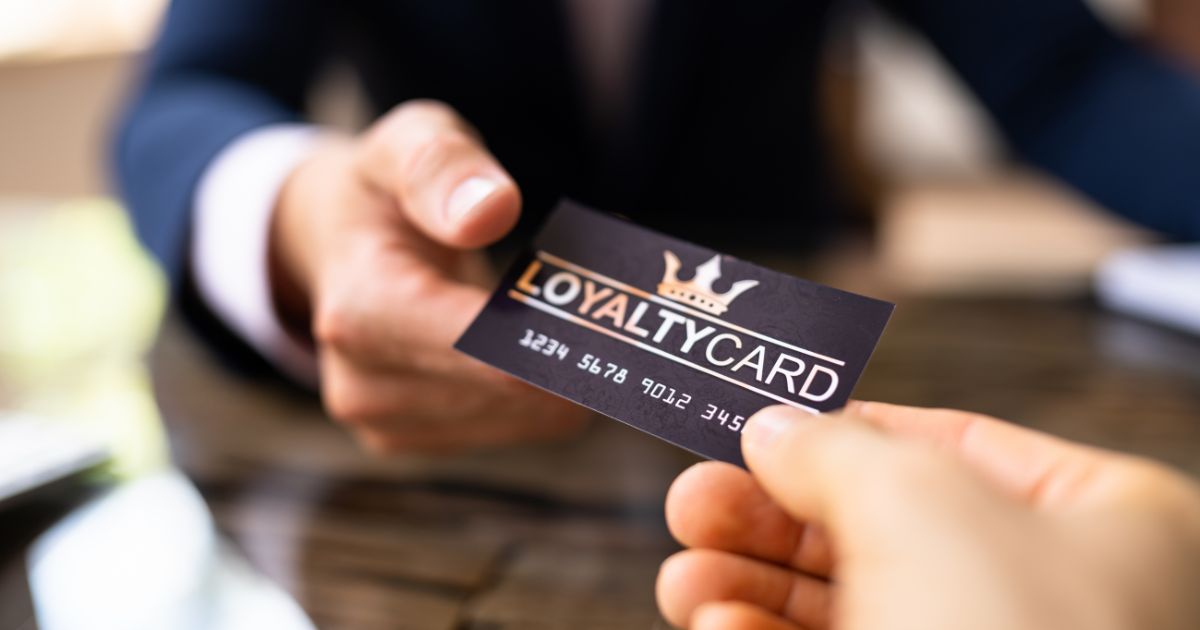
Loyalty programmes, once associated mainly with large retailers, are genuinely accessible to a small business too, and a well-designed one gives customers a real reason to consolidate their spending with you rather than splitting it between competitors.
These are the fundamentals of a loyalty programme that actually works at small business scale.
Choose a structure that fits your actual business
A points-based system, a punch card for a set number of purchases, or a tiered programme rewarding higher spend all suit different business types; choose based on your typical purchase frequency and value, not what a large retailer does.
Keep the mechanics genuinely simple to understand and use, since a loyalty programme customers find confusing or forget to use delivers little of its intended value.
Make the reward genuinely valuable to your specific customers
A reward that doesn’t actually motivate your specific customer base, because it’s too small, irrelevant, or too hard to redeem, fails to change behaviour regardless of how the programme is structured.
Understand what would genuinely motivate your customers specifically, rather than copying a generic reward structure from an unrelated business.
Track and measure whether it’s actually working
Monitor whether loyalty members genuinely spend more, more often, or refer others more than non-members, since a programme that doesn’t measurably change behaviour isn’t delivering its intended value regardless of enrolment numbers.
Our guide to turning customers into loyal, repeat buyers covers the broader relationship-building context a loyalty programme sits within.
Handle customer data properly
A loyalty programme collects customer information, which must be handled in line with the Information Regulator’s requirements, regardless of the programme’s small scale.
Be transparent with customers about what data is collected and how it’s used, which builds trust rather than undermining the goodwill the programme is meant to build.
Frequently asked questions
Are loyalty programmes only viable for large retailers?
No. A well-designed programme, matched to your actual business and customers, is genuinely accessible and effective for a small business.
What structure should a small business loyalty programme use?
Depends on purchase frequency and value: points-based, a punch card, or a tiered system, chosen for genuine simplicity.
What makes a loyalty reward actually effective?
Genuine relevance and value to your specific customer base, not a generic reward copied from an unrelated business.
How should a loyalty programme’s success be measured?
By whether members genuinely spend more, more often, or refer others more than non-members, not just enrolment numbers.
Does a small loyalty programme need to comply with data protection law?
Yes. Any customer information collected must be handled in line with the Information Regulator’s requirements, regardless of scale.
Further reading
Originally published in 2024. Updated September 2026 into a more practical guide to developing a customer loyalty programme at small business scale.