In today’s world, most people start their day the same way: by drinking coffee. Although the drink is not a new phenomenon, the rise of global coffee companies like Starbucks and the iced coffee trend have made the beverage most people’s go-to refueler.
Global coffee consumption reaches over 2,5 billion cups daily, growing at roughly 2,2% annually. The market remains incredibly valuable, with global exports hovering near $38 billion.
As the exclusive producer of rooibos tea, South Africa has always been a predominantly tea-drinking country. However, today the majority of adults in the country drink coffee daily. An estimated 76% of South African coffee drinkers prefer instant coffee, and the rest drink brewed coffee. The nationwide prevalence of instant coffee and coffee mixed with chicory – a root that can be roasted and ground – has persisted due to its economic necessity.
For any entrepreneurs looking to start their journey in coffee, there are a number of ways to enter the industry, from making your own coffee to purchasing a franchise or starting a mobile coffee cart.
For today’s article, we are going to look at coffee carts. We will explore what they are, how they work, the regulations around coffee in South Africa and possible funding avenues.
What is a Mobile Coffee Cart Business?
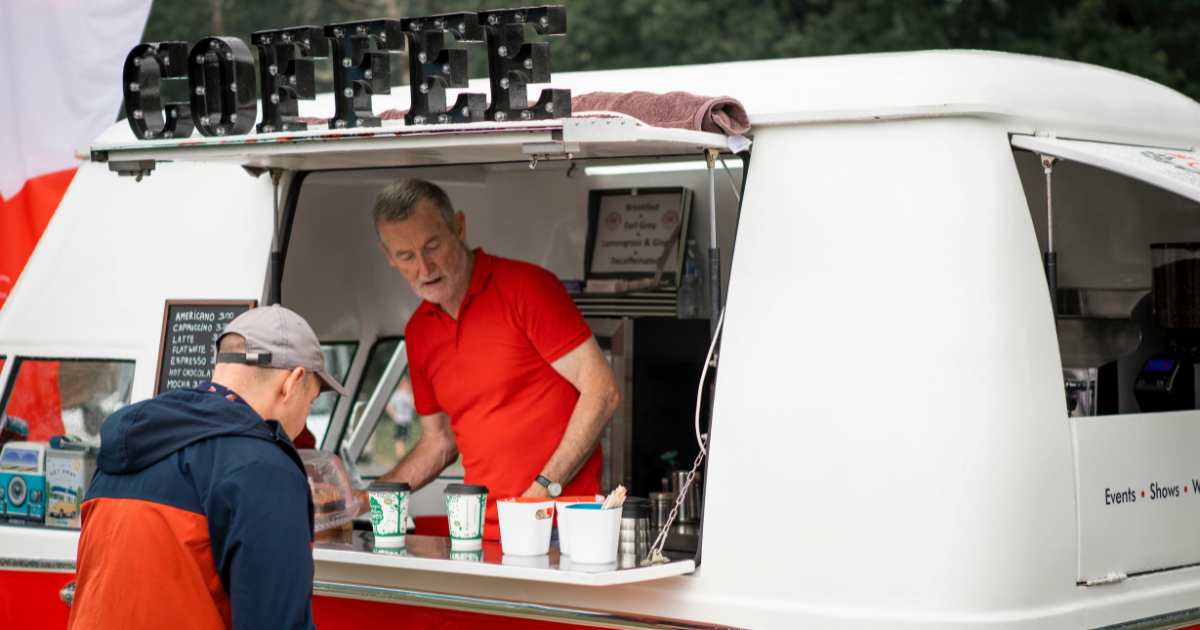
A mobile coffee cart or business is a flexible, on-the-go cafe that operates from a custom-built cart, trike, or trailer rather than a fixed storefront. It allows entrepreneurs to serve speciality espresso, drip coffee, and pastries at high-traffic areas, corporate parks, or private events like weddings and markets.
Pros and Cons of a Mobile Coffee Cart
Much like any other business, a mobile coffee cart has its own advantages and disadvantages.
Pros
- Location independence: A significant advantage of mobile coffee carts is the ability to move to different locations based on demand. Also, you can cater to events, festivals, markets, office parks and any other areas with high foot traffic.
- Lower initial investment: Compared to brick-and-mortar coffee shops, setting up a mobile coffee business is relatively more affordable. You can avoid the high costs associated with renting a space, interior decor, and utility bills.
- Adaptability: Mobile coffee businesses can quickly adapt to changing trends. If a new coffee craze or flavour becomes popular, you can incorporate it into your menu without the hassle of a complete overhaul.
- Direct customer interaction: Operating in different locations allows you to interact directly with customers, building personal relationships and a loyal customer base. This direct feedback loop can be invaluable for refining your offerings.
Cons
- Weather dependence: Operating a mobile coffee business means you’re at the mercy of the weather. Rain, extreme heat, or cold can impact customer turnout and affect your sales.
- Size constraints: The limited space in mobile setups can restrict the range of offerings and services you can provide. Additionally, you might face challenges in storage and refrigeration capacities.
- Logistical hurdles: Moving from one location to the next involves various logistical challenges. These can be anything from obtaining permits, navigating through traffic, and dealing with potential equipment malfunctions on the go.
- Competition from established players: Although there is the advantage of mobility, there is strong competition from established coffee shops. Customers may prefer the comfort and reliability of a fixed location over a mobile vendor.
- Seasonal fluctuations: Depending on the location, demand for mobile coffee can fluctuate with seasons and local events. The off-seasons may pose financial challenges as you navigate periods of lower sales.
What You Need to Build Your Mobile Coffee Cart
When it’s time to build your coffee cart, you need to consider various factors in both aesthetics and functionality. Here are some key considerations to keep in mind when building your mobile coffee cart.
Design and Aesthetics
When designing your coffee cart, start by choosing materials that represent your brand while ensuring durability. A steel frame with a wooden top is a popular choice, offering both strength and a warm, inviting look.
Also, the cart should have an elevated bar for showcasing your coffee offerings and a sunken work surface to keep the cart clean and organised.
Essential Equipment
At the centre of any coffee cart business is an espresso machine. For a mobile setup, you need a machine that balances performance with portability. Consider coffee machines that are known for reliability and the ability to handle moderate volumes.
Additionally, having a backup machine or secondary unit can be invaluable during high-demand periods. In addition to the coffee machine, your setup should include:
- Coffee grinder: Choose a high-quality coffee grinder that ensures consistent grounds, which are critical for maintaining the quality of your coffee.
- Water tanks: Equip your cart with a minimum of two water tanks. One for reverse osmosis water, specifically mineralised for espresso, and another tank for general wash water.
- Pitcher cleaners and handwash sink: These are essential for maintaining cleanliness and efficiency during operation.
Power and Energy Solutions
Powering your mobile coffee cart is an important consideration that requires careful planning, especially if you’re operating in locations without direct access to electricity. One solution is to leverage battery banks and inverters, supplemented by solar panels if possible. This setup allows you to operate independently, reducing reliance on gas-powered generators, which can be noisy and inconvenient.
Setting up a Pour-over Station
If you want to offer a broader range of coffee options, consider setting up a pour-over station. A pour-over station is a dedicated area in a kitchen or cafe designed for the manual brewing of pour-over coffee.
Having a pour-over station will allow you to showcase unique coffee varieties and brewing methods. A dedicated area for pour-over equipment, including kettles and scales, is essential. Pre-heating water in the morning and storing it in insulated containers can streamline the process during service.
Transport and Mobility
A well-designed coffee cart should be easy to move and set up. Consider using modular components that can be easily assembled and disassembled. Husky tool carts are a great option for storage and mobility, as they are durable, have ample storage space, and can be rolled on and off your transport vehicle with ease. At the end of the day, the entire setup should fit neatly into a trailer or van for easy transport.
By choosing the right materials, equipment, and power solutions, you can create a mobile coffee experience that delivers high-quality beverages and operates efficiently in any environment.
Also, remember that you must register your business with the Companies and Intellectual Property Commission (CIPC) and the South African Revenue Service (SARS). Additionally, you must obtain a business licence from your local municipality and secure a Certificate of Acceptability (COA) from the Department of Health, ensuring your premises meet Regulation 638 food safety standards.