In business, two things are always in mind: expenses and profits. Every business needs to cover expenses to survive, but ideally, you want to generate a profit and thrive. In the tourism industry in particular, this is imperative due to the seasonality of the industry.
Travel operators see how business spikes in anticipation of school and public holidays or certain events that attract tourists at particular times. This could be snow in Lesotho, the Namaqualand flower display, the floods that feed the Augrabies waterfalls, or adventure tourism along the coast that takes eager fishermen to fish for certain species during specific seasons. Yet, other times are slower, and customers are less keen to buy, and operators need to plan for that.
Therefore, operators need to generate enough income from their packages to ensure they cover their expenses while accurately pricing their value without being excessively expensive.
Building on our previous article about how bundling travel services as packages can boost your sales, this article explains how you can price your travel packages for your tourism business.
Why Businesses Struggle with Pricing
Many businesses struggle with their pricing strategies simply because they forget to consider all costs. On the other hand, there is a delicate balance to be maintained between offering a price customers are willing to pay and ensuring the price reflects the true value.
In the end, tourism operators and travel agents sit with two fears: the price is too low or too high, and no one buys, but price inaccurately, and you run a loss.
According to Tourism Northern Ireland, the factors that should be considered are the following:
- How much are people willing to pay for your product?
- How much do your competitors charge?
- How much does your product or service cost you to deliver (operating costs)?
- How much do you need to pay others who are selling on your behalf (commissions)?
- How much profit do you want to make?
- How will seasonality affect your pricing structure?
- How could you add value to your product without affecting your profit?
Make an honest assessment of the above questions and keep the costs at hand when you conduct your calculations.
Additionally, the number of competitors and who each of them is also play a role in your pricing strategy. Yes, this means you can try to match their prices or undercut competition with lower prices where possible. But doing so without understanding the full financial implications on your business – like potentially selling at a loss – can be detrimental.
How to Calculate Your Pricing
One thing to keep in mind is that your customers should be able to buy your product at the same price regardless of where they book. For example:
If you are a tourism business that is marketing your facilities on platforms (online travel agents) like bookings.com or Lekkeslaap, tourists shouldn’t feel that there is a large price discrepancy between the two platforms. Similarly, if you are a tour operator who sells your tour packages on your own website as well as a third party, tourists need to feel like they can access the same tours at the same prices.
Of course, as platforms may charge their own fees to promote your business, the additional costs for these need to be factored in.
Here are two calculations to guide you.
Net Price
The net price is the absolute minimum that you can sell your product for and still make a profit.
Net Price = Operating Costs + Your Profit Margin
Operating costs are all of the expenses that enable you to run your business. These include anything from rent, salaries, the electricity bill and insurance to the subscription fee for your accounting service, the fibre line in your office and the miscellaneous office supplies like print paper, staples and pens.
It can be further divided into fixed and variable costs.
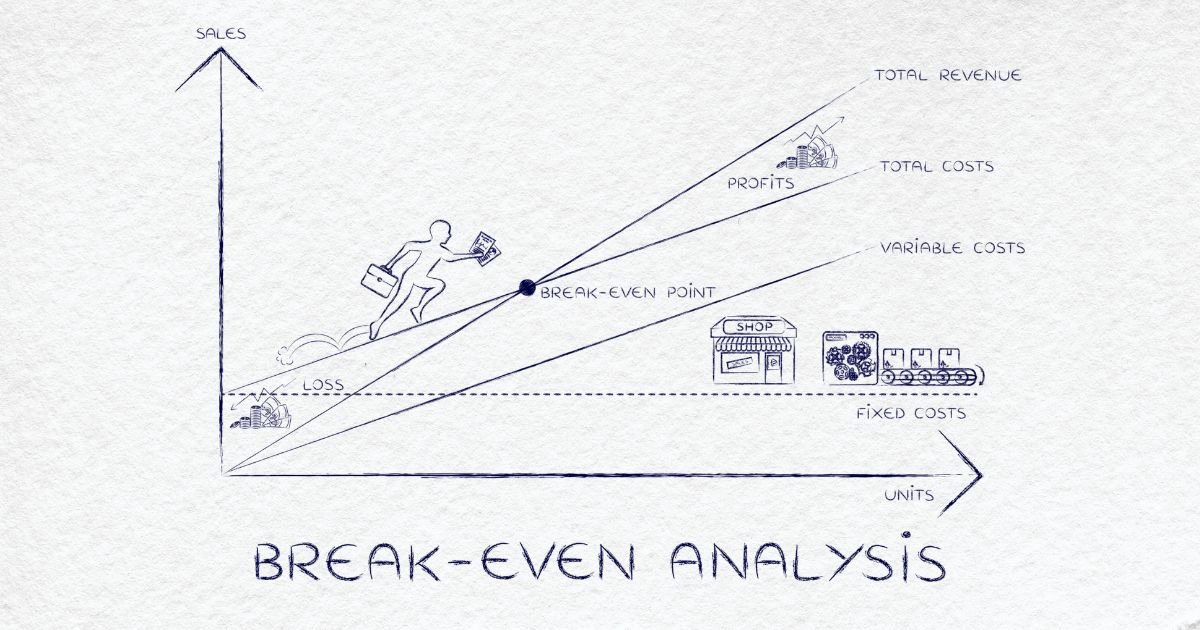
Fixed Costs: These costs are expenses that remain the same from month to month. Rent, rates, insurance and loans are consistent, ‘fixed’ expenses that alter yearly.
Variable Costs: These costs change from month to month. Each month, the amount you spend will ‘vary’, as you might not pay the same amount for maintenance, marketing or hiring part-time staff.
If you run a tour business that compiles travel packages for customers, fixed costs may include the accommodation of your clients, certain transportation costs and particular activities. Variable costs include the meals, certain transportation costs and levies.
Essentially, running a tourism business doesn’t only look at the cost of the service offered but also the expenses that keep the business running.
Profit margins in South Africa for tourism businesses are recommended to be 30-50%. Calculate what this percentage would be based on the operational cost for delivering a single booking and add this to your calculation.
Rack Rate
The rack rate is the ‘price on the shelf’ that your customers pay, and this must be consistent across all the distribution networks.
Rack Rate = Net Price + Distribution (Commission Costs)
Distribution Costs: These are the commission costs that you pay to a third party such as online travel agents. There are industry standards on the commissions charged, and you need to research each level of the distribution network to make sure you know what these are.
Pricing Strategy for Your Travel Packages
Beyond calculating the rack rate as the bare minimum you can charge your customer across platforms, a strong pricing strategy keeps your business competitive. Here are some factors to consider:
Discounted Prices: Discounts have always been a strong marketing strategy that drives sales if done correctly. It is a great way to push sales off-season, but too much of a discount can devalue your product, so moderation is key.
Adding Value: Adding value is the add-ons to the offering that make the customer feel that they are getting more than they are paying for. This can be a complimentary upgrade, a bottle of champagne, free parking, early check-in, etc. It can enhance the experience with minimal cost expenditure.
Bundling Your Target Market: Strategic bundling of your services and experiences can elevate your offering and increase your sales. However, you require in-depth knowledge of your target market. You will also need to ensure any partners you work with across the tourism industry have the same level of standard.