You may have driven past a street in a suburb or township with walls painted with various logos and wondered how those businesses were able to advertise there. This is wall advertising…
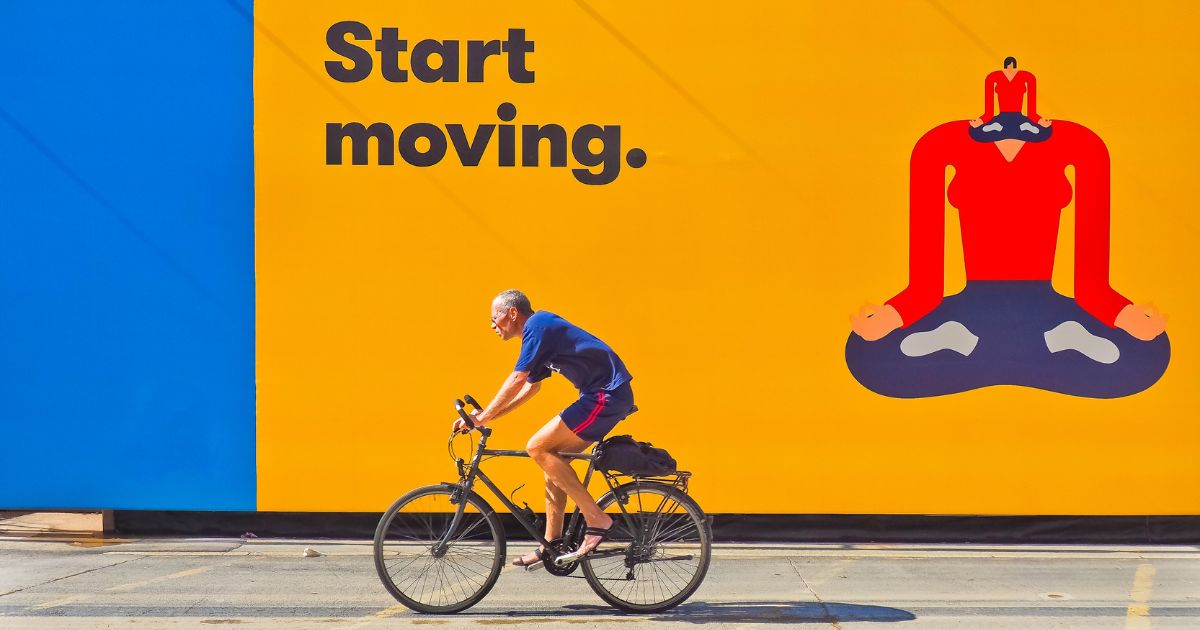
Wall advertising is a form of outdoor advertising where a business places its branding, product or campaign message on the wall of a building or property. The advert may be painted directly onto the surface or installed as a large graphic.
In South Africa, this format is especially visible along township roads, taxi routes and busy shopping areas. For an SME, a well-placed wall can put the business in front of the same local audience every day.
Repeated exposure can help a local business become familiar, especially when it depends on customers from a specific area.
How Does Wall Advertising on a Property Work?
The first step is finding a suitable wall. This may be on a private home, shop, commercial building or another property facing a busy route.
The property owner must agree to the advertising. Depending on the arrangement, the advertiser may pay a monthly rental, negotiate a fixed amount for the campaign period or use an outdoor advertising company that already has agreements with property owners.
The agreement should be in writing. It should clearly cover:
- How long the advert can remain on the property.
- How much the business will pay for the wall.
- Who is responsible for painting or installing the advert.
- Who maintains the wall during the campaign.
- Who pays to repaint or restore the wall afterwards.
Once the site is secured, the creative work begins. When you’re advertising on a wall, you do not have the privilege of time, so you must ensure you can grab people’s attention as quickly as possible. People may only have a few seconds to read the message while walking, driving or sitting in a taxi.
For that reason, the advert normally needs a clear business name, one main message and one way to respond. A phone number, WhatsApp contact or short website address is often more useful than a long list of services.
Inspect the wall before agreeing to a price. Cracked plaster, damp or peeling paint may increase production costs.
The location is equally important. A road can be busy without being a good advertising site. Trees may block the wall, cars may move too quickly, or the wall may face away from the main flow of traffic.
In township wall advertising, a site near slow-moving taxis, pedestrians and retail activity can sometimes deliver more useful attention than one beside a faster road.
Use a dedicated WhatsApp number, voucher code or QR code to help measure enquiries from the campaign.
What is the Cost?
There is no fixed wall advertising price in South Africa. The cost depends on the wall size, location, campaign duration, design, materials, labour and the amount charged for using the property.
COMMUNiKASI Media states that wall mural production can range from about R5 000 to R30 000 once-off, with separate monthly media fees based on factors such as location, size and campaign duration. Leo Five Media lists indicative prices from about R3 500 to R8 000 for smaller branded paint panels, with larger murals costing more. These are examples from individual suppliers rather than standard industry prices.
For SMEs, it helps to separate production cost from media cost. Production covers the creation of the advert. Media cost covers the right to use the wall for a set period.
A wall advertising budget may include:
- Wall rental or media fees.
- Artwork and design costs.
- Paint, printing or installation.
- Wall preparation and repairs.
- Municipal application fees.
- Ongoing maintenance.
- Repainting the wall when the campaign ends.
- VAT where applicable.
The cheapest wall is not always the best deal. Compare the full campaign cost with the location, visibility and likely customer reach.
SMEs should look beyond price. A cheaper wall on a quiet road may cost less but deliver very little value. A more expensive site on a route frequently used by your ideal customer may be a better media investment.
Also consider the campaign period. Wall advertising benefits from repetition, but committing to a twelve-month contract before knowing whether a location works can be risky. Where possible, negotiate a shorter initial campaign or make sure you have enough information about the site before signing a longer agreement.
What Are the Regulations Around Wall Advertising?
Wall advertising is not only an agreement between a business and a property owner. Outdoor advertising is also regulated.
South Africa’s Revised South African Manual for Outdoor Advertising Control, or SAMOAC, provides national guidance on outdoor advertising. It includes wall signs and murals painted on walls and roofs. Municipalities, however, are responsible for many of the practical rules and approvals that apply in their areas.
This means the rules can differ from one municipality to another. Requirements may cover the position, size, lighting and type of sign, as well as whether it is allowed in a particular area.
Before advertising on a wall, SMEs should check:
- Whether municipal approval is required.
- Whether the property is allowed to display outdoor advertising.
- Whether there are restrictions on the size of the mural.
- Whether the sign may be illuminated.
- Whether it could affect road safety or distract motorists.
- Whether written permission from the property owner is required.
- Whether application drawings or location plans must be submitted.
The City of Ekurhuleni, for example, says outdoor advertisements must receive municipal approval. The city has also warned that illegal signage can be removed at the owner’s cost and may lead to fines or legal action.
Property owner permission alone is therefore not enough. Johannesburg’s application guidance for outdoor advertising also requires written consent from the property owner, as well as information such as a locality plan and details of the proposed sign.
Before paying for a wall, SMEs should confirm that the person offering it has authority to do so, check local municipal rules and make sure any required approval is in place.
This should happen before the artwork is produced. Paying for a mural and only checking the regulations afterwards can leave the business paying for artwork it cannot legally display.
Is Wall Advertising Worth It for SMEs?
Wall advertising can make sense when an SME serves a defined local market and can secure a visible, compliant location.
It can also work alongside digital marketing. A customer might first notice the business on a wall, later recognise the name in a Facebook advert and eventually search for it online. Repeated exposure across different channels can help a smaller business become more familiar.
The point is to treat the wall as a media location, not simply an empty surface. Its value comes from who passes it, how often they see it and whether they have enough time to understand the message.