High-value markets, formal retail, export buyers, premium niche markets, pay considerably more than informal or local trade, but accessing them requires meeting standards around consistency, quality and often formal certification that many small-scale farmers are not yet positioned to meet without deliberate preparation.
These are the fundamentals that actually determine access to these markets.
Understand what high-value buyers actually require
Formal retailers and export buyers require consistent volume, quality and often specific certification, food safety, environmental, or fair trade standards depending on the market, that a small-scale, informal operation typically isn’t yet equipped to deliver.
This is a genuine barrier, not an arbitrary one; buyers at this level need reliability at scale, and understanding this requirement honestly is the first step to actually meeting it.
Aggregation and cooperative models help small farmers meet volume requirements
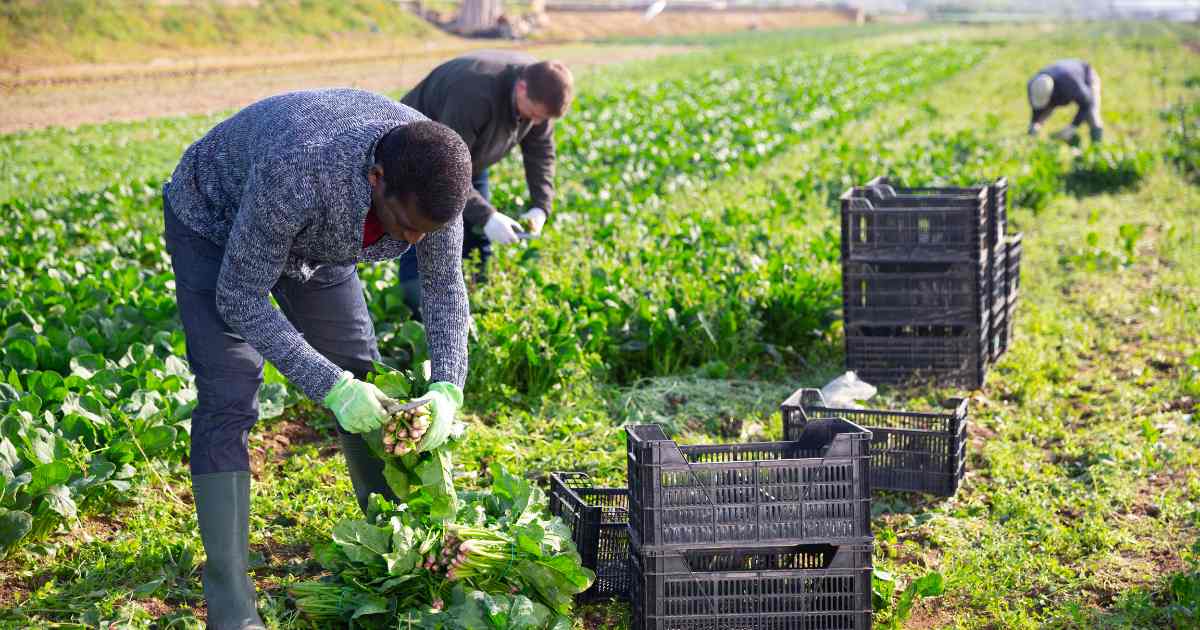
Farmer cooperatives and aggregation models, where several small-scale farmers combine their production, can collectively meet the volume and consistency requirements that no single small farm could meet alone.
This also spreads the cost of certification and compliance across multiple farmers, making it genuinely more accessible than pursuing certification individually.
Certification is a genuine investment worth planning for
Food safety and other relevant certifications required by high-value buyers involve real cost and time to achieve, and planning for this investment deliberately, rather than treating it as an afterthought, is what actually opens these markets.
Our guide to Regulation R638 covers the food hygiene compliance baseline that certification builds upon.
Access support built for this transition specifically
Development finance and market access support for smallholder and emerging farmers is available through the Land Bank of South Africa and government agricultural support programmes specifically targeting this transition.
Our guide to starting farming with limited capital covers the earlier-stage foundations this transition to high-value markets builds upon.
Frequently asked questions
Why is accessing high-value markets harder for small-scale farmers?
Formal retailers and export buyers require consistent volume, quality and often specific certification that a small operation isn’t yet equipped to meet.
How can small farmers meet volume requirements they can’t meet alone?
Cooperative and aggregation models, combining production from several small-scale farmers to collectively meet buyer requirements.
Does certification require real investment?
Yes, genuine cost and time, and planning for it deliberately, rather than as an afterthought, is what actually opens these markets.
Do cooperatives help with certification costs too?
Yes, spreading the cost of certification and compliance across multiple farmers, making it more accessible than pursuing it alone.
Where can support for this market-access transition be found?
The Land Bank of South Africa and government agricultural support programmes specifically targeting smallholder market access.