Karabo Kgophane

Bio
Karabo Kgophane is a Social Media & Digital Community Manager with a background in journalism and film and television production, and over four years of experience curating content for entrepreneurs. He manages social media platforms, creates content for newsletters, writes articles, and builds relationships with stakeholders. Passionate about helping entrepreneurs thrive, Karabo stays on top of trends to keep them ahead of the game.

Author
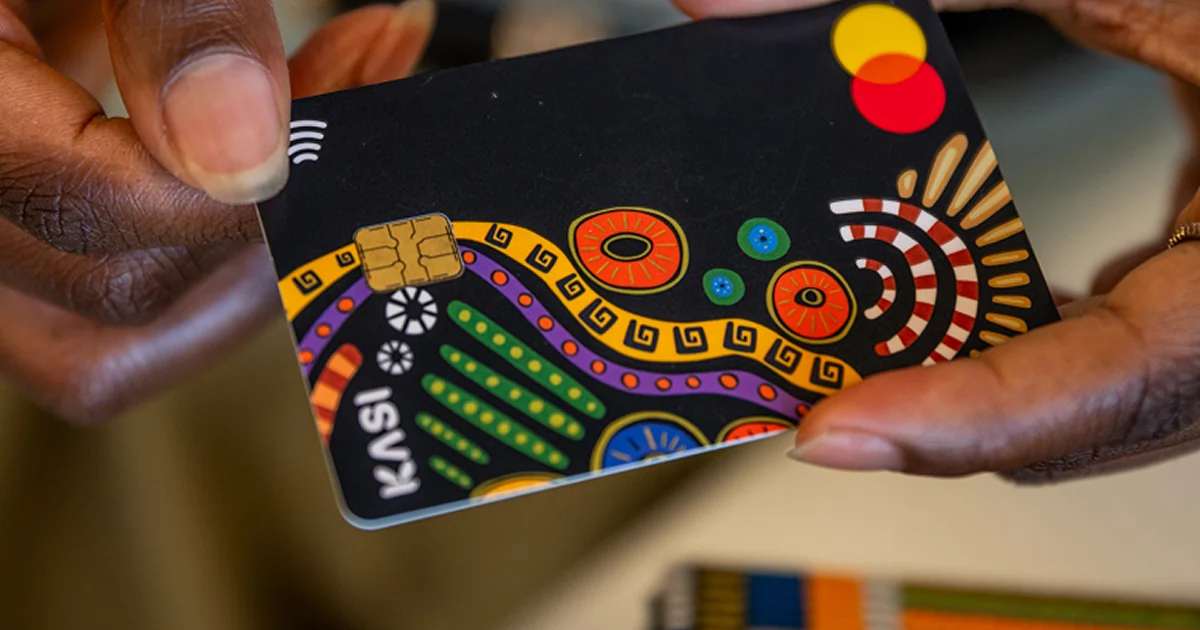
Kasi Money Starts With How You Earn

Kasi Money Starts With How You Earn

Picture of Karabo Kgophane
Karabo Kgophane
Increasing Scooter Delivery Profits

Tips For Increasing Scooter Delivery Profits

Picture of Karabo Kgophane
Karabo Kgophane
Free AI Tools To Use in Your Business

Free AI Tools To Use in Your Business

Picture of Karabo Kgophane
Karabo Kgophane
Remember: This should not be used as a means to avoid driving limitations. Don’t switch to a different platform just to jump over driving limitations. You deserve rest and safety just as much as your passengers.

Tips on Increasing e-hailing Profits in South Africa

Picture of Karabo Kgophane
Karabo Kgophane

Happy Holidays! Make Your SME Shine This Festive Season

Picture of Karabo Kgophane
Karabo Kgophane
Time Management for Entrepreneurs During the Festive Season

Time Management for Entrepreneurs During the Festive Season

Picture of Karabo Kgophane
Karabo Kgophane

Affordable Workspaces for South African Entrepreneurs

Picture of Karabo Kgophane
Karabo Kgophane

Queen’s Green Makes its Mark at the 2025 Township Economy Summit

Picture of Karabo Kgophane
Karabo Kgophane

Stay Ahead of the Curve: SME Trends & Insights

Picture of Karabo Kgophane
Karabo Kgophane
WhatsApp Spaza Shop Explained

A Rising Trend: WhatsApp Spaza Shop Explained

Picture of Karabo Kgophane
Karabo Kgophane

Strategies to Close the Year Strong and Thrive

Picture of Karabo Kgophane
Karabo Kgophane
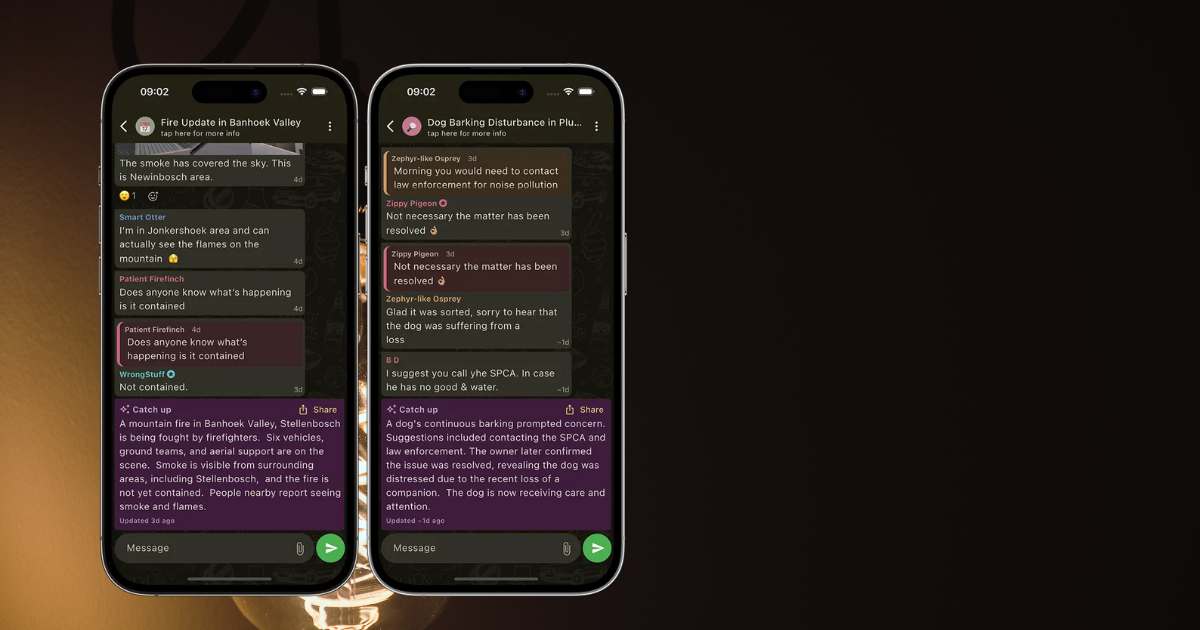
EskomSePush as a Community Marketplace

EskomSePush as a Community Marketplace

Picture of Karabo Kgophane
Karabo Kgophane
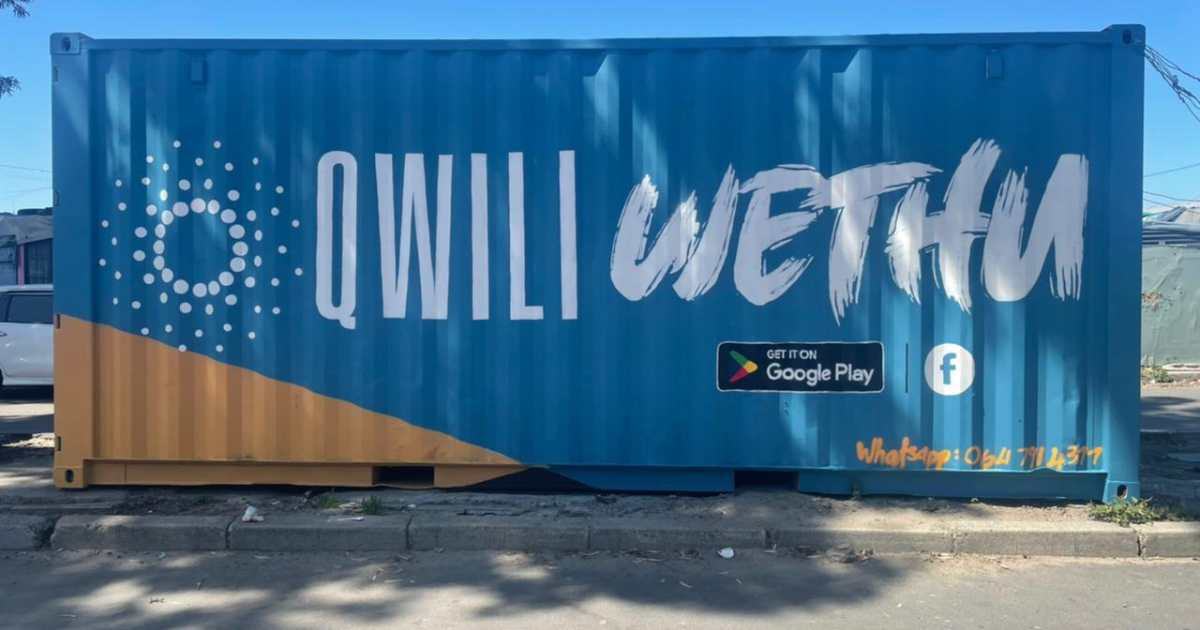
How Qwili Is Opening Doors in the Informal Economy

How Qwili Is Opening Doors in the Informal Economy

Picture of Karabo Kgophane
Karabo Kgophane
Holidays Sales

How to Make the Most of Holiday Sales as a Business

Picture of Karabo Kgophane
Karabo Kgophane
Tshepo Madigage

Gentaflo Modernising Traditional Industries with AI and 4IR Technology

Picture of Karabo Kgophane
Karabo Kgophane

Funding Forecast: From Black Friday Rush to G20 Billions

Picture of Karabo Kgophane
Karabo Kgophane

Black Friday Prep: Shield Your Business from Cyber Threats

Picture of Karabo Kgophane
Karabo Kgophane
Scooter Training Opening Doors for South Africa’s Youth

Scooter Training Opening Doors for South Africa’s Youth

Picture of Karabo Kgophane
Karabo Kgophane
Integrating Green Supply Chain Practices

Integrating Green Supply Chain Practices

Picture of Karabo Kgophane
Karabo Kgophane

Scale Your SME Smarter with Embedded Finance

Picture of Karabo Kgophane
Karabo Kgophane
What is Order Fulfilment in Business

What is Order Fulfilment in Business

Picture of Karabo Kgophane
Karabo Kgophane

Turn Your Vision into Investment Through Storytelling

Picture of Karabo Kgophane
Karabo Kgophane
How Fetola Empowers South Africa’s Entrepreneurs

How Fetola Empowers South Africa’s Entrepreneurs

Picture of Karabo Kgophane
Karabo Kgophane

Emerging Industries with High Growth Potential

Picture of Karabo Kgophane
Karabo Kgophane

Behind Every Funded Business Is a Paper Trail That Makes Sense

Picture of Karabo Kgophane
Karabo Kgophane

Behind Every Funded Business Is a Paper Trail That Makes Sense

Picture of Karabo Kgophane
Karabo Kgophane
How to Start a Student Transportation Business

How to Start a Student Transportation Business

Picture of Karabo Kgophane
Karabo Kgophane

Good Record-Keeping = Funding Confidence

Picture of Karabo Kgophane
Karabo Kgophane
Joburg Market Leads Transformation in Agriculture and Market Access

Joburg Market Leads Transformation in Agriculture and Market Access

Picture of Karabo Kgophane
Karabo Kgophane

Stop Guessing. Start Accounting. Get Funded.

Picture of Karabo Kgophane
Karabo Kgophane

Turning Your Cash Sales into Funder-Ready Income

Picture of Karabo Kgophane
Karabo Kgophane
New E-Hailing Laws in South Africa The e-hailing industry in South Africa is taking a new direction, with new regulations, safety enhanced, and the industry legitimately recognised by the law. Over the years, companies such as Uber, Bolt, and inDrive have been operating in an almost unregulated space. The conflict between taxi drivers and e-hailing drivers led to the issue of the safety of passengers and the driver's responsibility. That is where the National Land Transport Amendment Act (NLTA) intervened and introduced new regulations to set clear rules in the industry, standardise operations, and balance the e-hailing market between e-hailing drivers and taxi drivers. New Regulatory Framework for E-Hailing The NTLA has now recognised e-hailing services as a legitimate public transport provider. This legal recognition has significant implications. Drivers now need to secure operating licenses from Provincial Regulatory Entities (PREs), which are specific to certain regions. These replace older requirements like charter permits or meter taxi licenses. Also, cars should have visible e-hailing branding to help passengers easily identify licensed vehicles. This provides visibility and helps to safeguard drivers and passengers, and encourages a professional, regulated industry. E-Hailing Laws Now Live The much-anticipated NLTA and its amended regulations came into force on 12 September 2025 after being gazetted on 11 June 2024. The regulations set the rules for e-hailing services and are aimed at improving and maintaining security and quality. Safety is the Cornerstone of the Regulations Here are new laws that will benefit both the driver and passengers: Panic Buttons Every licensed e-hailing car must now be fitted with a panic button. If drivers feel unsafe during a ride, they will have a direct line to emergency help. This is in response to safety concerns. Criminal Background Checks All e-hailing drivers will be subject to criminal vetting. Anyone with a serious offence should be screened out before they get behind the wheel. For passengers, that’s an assurance that the person driving you isn’t hiding a dangerous past. Up-to-date Driver Profiles Drivers must keep their app profiles updated, including photos, so you know the face behind the wheel matches the app. Have a RICA-registered SIM Card Drivers must not use SIM cards bought informally or on the streets. Every e-hailing driver must use a RICA-registered SIM card. This makes it possible to trace and verify a driver’s identity if anything happens during a trip. E-hailing Platforms' Responsibility The NLTA has indicated that e-hailing platforms are supposed to be accountable. The companies are obligated by law to ensure that all drivers on the network adhere to the new regulations. Failure to adhere to laws may lead to fines or a temporary shutdown. Timelines and Compliance Challenges The Department of Transport has given drivers a period of 180 days to comply with the new laws. While this period offers time to adjust, many drivers are worried about the costs involved. That includes: Getting licenses, upgrading vehicles for safety compliance, and installing branding, which can be expensive. Industry Reactions The announcement of the new laws has drawn both praise and criticism from people in the e-hailing industry. Passengers generally welcome the improved safety and professionalism; on the other hand, drivers have voiced concerns. Some fear that branded vehicles will make them become targets in high-crime zones, while others worry about the administrative burden they will encounter in complying. What Happens to Unlicensed or Unsafe Drivers? The new act brings in harsh penalties. If Uber or Bolt allows drivers without proper licenses to operate on their platforms, the companies face fines of up to R100,000 or even two years in jail for responsible individuals. Drivers who don’t comply risk having their licenses suspended or revoked. That means fewer unregulated operators slipping through The NLTA has opportunities and challenges for entrepreneurs. The individuals who will adapt fast will be in a position to be seen as professional, trusted service providers, and they will have a competitive advantage. Finally, a regulated e-hailing sector is beneficial to all, including drivers, passengers, and the transport ecosystem in general. The Act provides a much-needed framework for clearer and more consistent regulation, which can ease tensions between e-hailing operators and the traditional taxi industry, helping to create a safer, fairer, and more collaborative transportation landscape.

New E-Hailing Laws in South Africa

Picture of Karabo Kgophane
Karabo Kgophane

Your Business Deserves Better Records

Picture of Karabo Kgophane
Karabo Kgophane
Take charge of your cash flow before year-end

Take charge of your cash flow before year-end

Picture of Karabo Kgophane
Karabo Kgophane
Xolani Gininda (1)

How SmartSight Is Making Communication More Inclusive

Picture of Karabo Kgophane
Karabo Kgophane

How to Build Credibility Before Approaching Funders

Picture of Karabo Kgophane
Karabo Kgophane

Stay in the loop

Stay in the loop