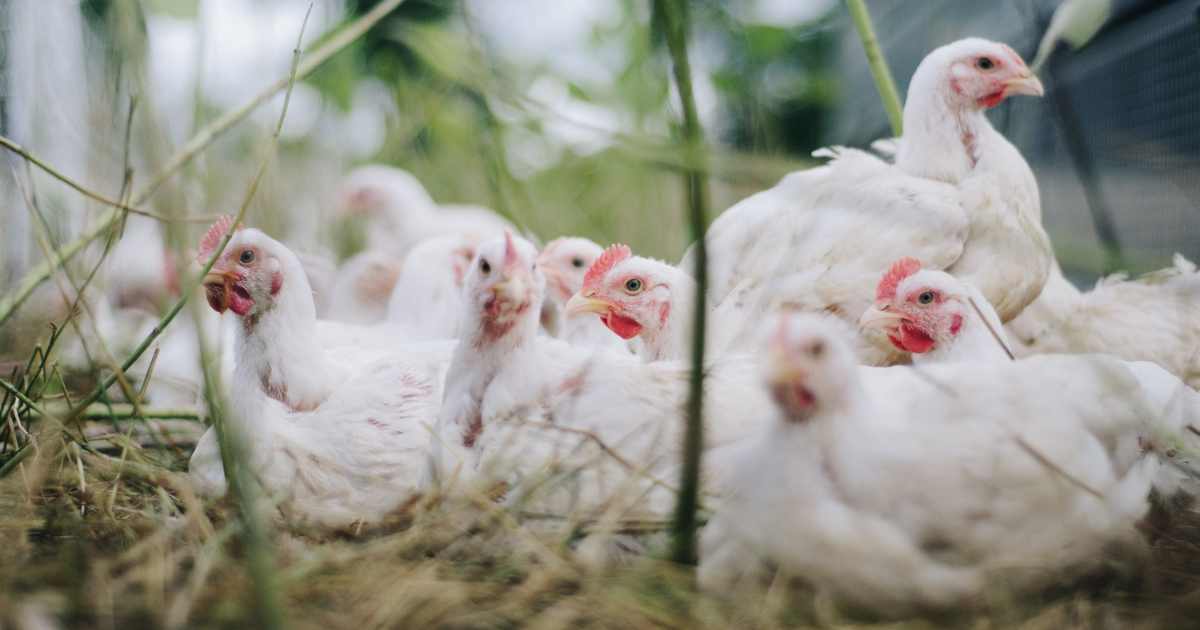
Poultry farming in South Africa carries specific, recurring risks, disease outbreaks, energy supply disruptions and volatile input costs, that a new or existing poultry farmer needs to plan around deliberately rather than treat as unpredictable bad luck each time they occur.
These are the main risks and the practical mitigation for each.
Disease outbreaks, particularly avian influenza
Avian influenza outbreaks have caused significant losses in the South African poultry industry through both direct flock losses and trade restrictions, and biosecurity, controlling farm access, hygiene protocols, monitoring flock health closely, is the primary defence available to an individual farmer.
Stay current with official outbreak notices and required biosecurity measures published through the South African government, since guidance and restricted zones change as outbreaks are identified.
Energy supply disruptions
Load shedding poses a genuine, sometimes catastrophic risk to poultry operations, since ventilation and temperature control failures during outages have caused significant flock losses in extreme cases. Backup power for critical systems is a real operating cost, not an optional upgrade, for a serious poultry operation.
Plan backup power capacity around the specific critical systems, ventilation and temperature control particularly, rather than assuming general backup power alone is sufficient for a poultry operation’s specific needs.
Input cost volatility
Feed costs, the largest ongoing input cost in poultry farming, fluctuate with grain prices and currency movements, and a farmer who hasn’t planned for this volatility can find margins compressed suddenly and significantly.
Locking in feed supply contracts where possible, and building a financial buffer for periods of higher input costs, protects against this volatility better than reacting to it after the fact.
Access support built for the sector
Development finance and sector-specific support for poultry farmers is available through the Land Bank of South Africa, and the sector’s own master plan, coordinated through government and industry, addresses some of these structural challenges at a policy level.
Our guide to funding for agricultural start-ups covers the broader funding landscape relevant to a poultry operation specifically.
Frequently asked questions
What is the biggest disease risk in South African poultry farming?
Avian influenza outbreaks, which cause both direct flock losses and trade restrictions, defended against primarily through biosecurity.
How does load shedding affect poultry farming?
It poses a genuine risk to ventilation and temperature control, which has caused significant flock losses in extreme cases without backup power.
Why is feed cost volatility a major risk?
Feed is the largest ongoing input cost, fluctuating with grain prices and currency movements, which can compress margins suddenly.
How can a poultry farmer protect against feed cost volatility?
Locking in supply contracts where possible and building a financial buffer for periods of higher input costs.
Where can a poultry farmer find sector-specific support?
The Land Bank of South Africa for development finance, and the sector’s own coordinated master plan addressing structural challenges.