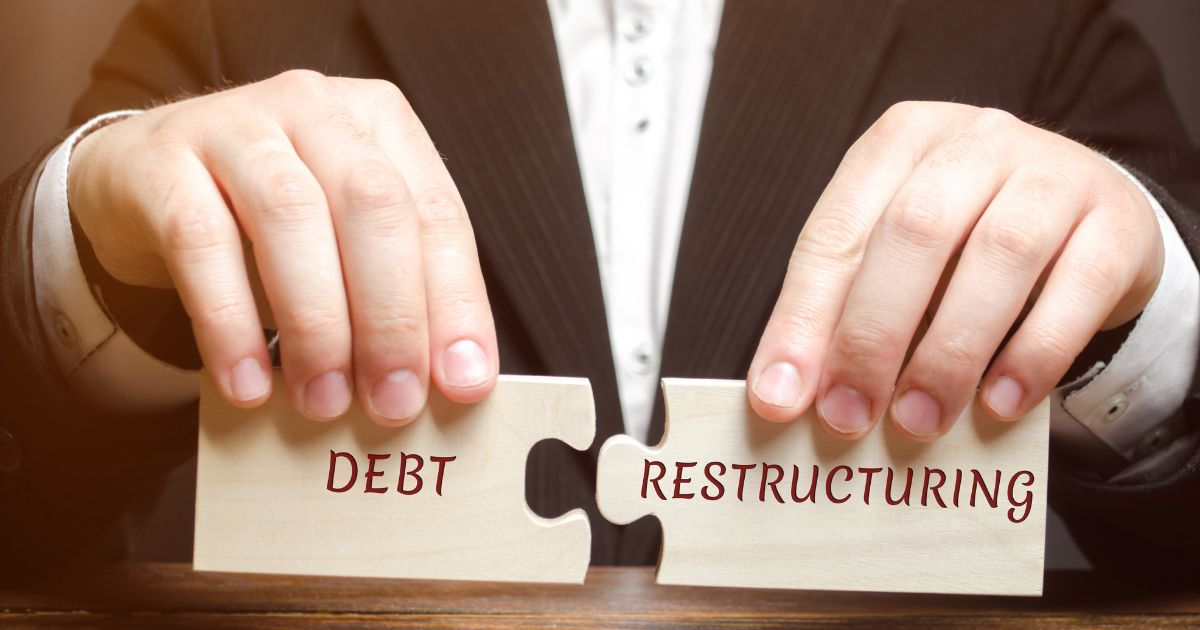
Managing debt is a common challenge for small and medium-sized enterprises (SMEs), particularly when cash flow becomes unpredictable, operating costs rise, or customers take longer to settle their accounts.
In South Africa, where businesses must navigate a demanding economic environment, excessive debt pressures day-to-day operations, limits growth opportunities and makes it difficult to meet financial obligations. However, struggling with repayments does not necessarily mean a business is beyond recovery. With the right approach, debt restructuring can provide a practical way forward.
Debt restructuring involves reviewing and renegotiating existing debt agreements to make repayments more manageable for a business. Depending on the circumstances, this could mean extending repayment periods, negotiating lower interest rates or consolidating certain debts into a more affordable arrangement. The aim is to ease financial pressure, improve cash flow and give the business an opportunity to regain stability without unnecessarily disrupting operations.
For SME owners, understanding when and how to restructure debt is essential to making informed financial decisions. Acting early creates more options and improves the chances of reaching a workable agreement with creditors.
This article explains how debt restructuring works, the options available to South African SMEs, and the key considerations business owners should weigh before taking their next steps.
What Is Debt Restructuring For SMEs
Debt restructuring involves negotiating with creditors to reduce your interest rate, extend your loan term or cut your balance. Smaller monthly payments, lower interest rates or less money owed make debt more manageable.
This approach is ideal for SMEs struggling to meet current payment obligations without defaulting or going bankrupt. Debt restructuring can happen informally through direct negotiation with creditors or formally through legal proceedings like bankruptcy. The goal is to create a repayment plan that better fits your financial situation while allowing creditors to recover at least some of what they’re owed.
Debt Restructuring Versus Debt Consolidation
For many people, debt restructuring may sound a lot like debt consolidation. However, these terms have key differences. With debt consolidation, you take out a loan that is big enough to pay off all your other debts. Then, you make regular payments to pay down the new loan.
Ideally, a debt consolidation loan does a few things: it should make your monthly payments easier to manage, give you a lower interest rate, and have better terms than the original debt.
The Key Differences
Many Debts Versus a Single Debt: Debt consolidation focuses on many debts at once. It tries to make the debts easier to manage by combining them into one debt. Debt restructuring usually focuses on one debt at a time. However, there are some situations where you could restructure many debts at once.
Financial Move Versus Negotiation: While working with a professional can help, most often business owners conduct debt consolidation on their own. On the other hand, debt restructuring is a negotiation between you and your creditors. You can’t just decide to restructure your debt. Your creditors need to agree to the new terms.
Pros and Cons of Debt Restructuring
Debt restructuring can influence your financial security in the short term as well as the future. It’s important that you understand the benefits and drawbacks before starting the process.
Pros
- Avoiding Bankruptcy: Restructuring allows you to work with your creditors to create a more manageable repayment plan, which can help you avoid more serious consequences like loan default, collections, bankruptcy or foreclosure.
- More Affordable Payments: Whether you reduce your interest rate, lower your monthly payment or extend your repayment term, debt restructuring can ease the financial pressure you’re facing.
- Preserve Relationship with Creditors: Working proactively with your lender shows good faith and may make it easier to work with that financial institution in the future.
Cons
- Damage to Your Credit Score: Depending on how your debt is restructured, the lender may report the changes to the credit bureaus, which could hurt your credit.
- Increase in Total Costs: If you choose to extend your repayment term to get lower monthly payments, it’ll likely result in more interest charges over the life of the loan. Also, if you’re thinking of pursuing debt settlement, you’ll need to account for fees and taxes.
- Approval isn’t Guaranteed: Creditors aren’t required to work with you or accept your proposal to restructure your debt.
Debt Restructuring Strategies
Here are strategies that can help you restructure debt, depending on your business’ financial challenges and creditor cooperation.
1. Review Your Financial Situation
Start by reviewing your financial situation. This means thoroughly reviewing your income, expenses, assets, and debts. Understanding your cash flow and debt load will help you identify what changes are possible.
2. Develop a Restructuring Plan
Outline how you will manage your debt going forward. This can include suggested payment changes, cost-cutting steps, or ways to increase revenue. Be honest about what your business can reasonably afford.
3. Negotiate with Creditors
One of the most critical steps in debt restructuring is to negotiate directly with creditors. Typically, this involves extending the repayment terms, reducing the interest rate, or even negotiating a partial debt write-off. Creditors are always willing to work with businesses that demonstrate good faith and a viable plan for repayment.
Negotiation is often a faster and less formal process than other restructuring strategies, and depending on relations between the parties, may not negatively impact credit.
4. Put Your Plan into Action
Once you have agreed terms with your creditors, you can begin to follow through on your commitments. Ensure you keep records of all changes and continue to track your progress.
5. Adjust as Needed
Keep a close eye on how your plan is going and if it’s working. If cash flow changes or new challenges come up, be prepared to revisit your strategy and update it with your creditors.
Debt restriction is not a fix-all solution for your financial problems, but it can offer SMEs a way to regain control during uncertain times. By reviewing your finances, negotiating with creditors and creating a plan that aligns with your needs, you can ensure your business keeps moving forward.