South Africa’s small to medium-sized enterprise (SME) sector has a challenge which continues to plague it. This is called the funding gap. This R350 million gap is driven by risk analysis used by traditional lenders, late payments from procurement contracts and an access to finance barrier.
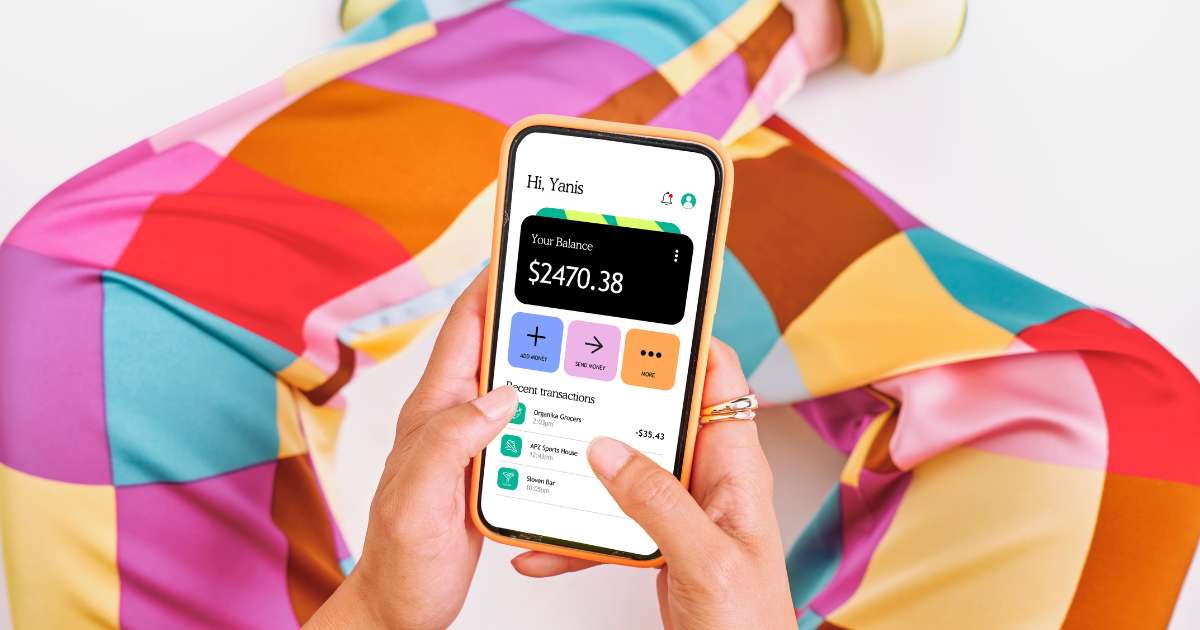
To solve this problem, there has been an influx of financial technology (fintech) companies that offer fast and low-cost financing for small businesses. Another type of financing that not only provides capital but also tech tools and resources is embedded finance.
What started as basic payment rails, embedded financing has expanded into lending, insurance, merchant cash advances, and hyper-contextual financial products. Other key embedded finance shifts are:
- Partnership Models Unique to South Africa: The traditional “build or buy” approaches are fading. Instead, platforms like Paymentology and FutureBank are operationalising composable banking. They allow brands and vertical-specific platforms to plug, swap, and optimise financial modules on demand. Standard Bank’s collaborative merchant finance integrations showcase how legacy and new players are co-innovating.
- Sector-Specific Embedded Financial Products: Retail and logistics may still be the headline adopters, but fintechs are increasingly targeting niches. Agri-platforms are offering crop-specific insurance. Gig economy tools are providing micro-payments and health coverage. Even utilities and healthcare apps are rolling out embedded billing and credit services. These vertical plays are scaling in response to data-rich environments and regulatory tailwinds.
What’s Facilitating this Shift?
Beyond the trends that influenced embedded finance, the holistic shift is driven by other factors. These are:
- API-First Thinking: Open banking legislation and the “API economy” now allow for rapid, secure data sharing and onboarding. This development makes it easier for partners to iterate and deploy new financial features tailored for local needs.
- Financial inclusion: Embedded finance has moved the needle on inclusion, not just as a buzzword but in real numbers. A staggering 67% of underserved SMEs now have a path to working capital or insurance via digital rails that were previously unavailable from big banks.
- Regulatory alignment: Regulators are actively courting innovation, balancing risk with access. The South African Reserve Bank’s (SARB) latest working papers and treasury scoping show a clear direction. We can expect smoother onboarding, improved Know Your Customer (KYC), and robust data privacy for embedded solutions, especially those serving informal and rural SMEs.
In this article, we look at what embedded finance is, the benefits for SMEs and which embedded finance platforms are available for SMEs in South Africa.
What is Embedded Finance?
Embedded finance is the seamless integration of digital banking, along with other financial products and services, into non-financial companies’ platforms or applications. It enables these non-banking businesses to offer their customers—and additional stakeholders, such as suppliers, partners, and employees—a wide range of financial services, including lending, insurance, and payments, without having to build the underlying financial infrastructure or hold the relevant regulatory approvals themselves.
Common Examples of Embedded Finance
Here are some examples of embedded finance.
- Embedded Payments: Saving your card on an e-commerce app or taking an Uber and having the fare automatically charged at the end of the ride.
- Embedded Lending / Buy Now, Pay Later (BNPL): Being offered the option to split a large purchase into monthly instalments during the checkout process on sites like Amazon or Takealot.
- Embedded Insurance: Adding travel insurance while booking a flight on Airbnb or Expedia without leaving their booking portal.
- Embedded Banking: Ride-sharing drivers receive their daily earnings instantly into a custom digital wallet or debit card provided directly by the ride-sharing app.
Benefits of Embedded Finance for SMEs
By embedding financial services into their offerings, businesses can increase customer loyalty, increase revenue opportunities, and become more competitive in the market. It offers SMEs the following benefits.
- Instant Access to Capital: Platforms use real-time transaction and operational data to assess creditworthiness. This bypasses the rigid requirements of traditional banks, enabling faster approvals for working capital or Buy Now, Pay Later (BNPL) options.
- Streamlined Operations: Integrating banking features directly into Enterprise Resource Planning (ERP) or accounting systems automates manual reconciliation, drastically reducing administrative errors and eliminating the need to toggle between different software.
- Optimised cash flow: SMEs can accept customer payments instantly and manage supplier payouts or payroll without ever leaving their ecosystem of choice, smoothing out liquidity gaps.
- Enhanced financial visibility: Having payments, invoicing, and lending consolidated in a single hub gives entrepreneurs a clearer picture of their financial health, enabling smarter, data-driven forecasting and more targeted funding applications.
Embedded Finance Platforms for SMEs in South Africa
Embedded finance platforms for SMEs in South Africa embed banking, payments, and lending directly into everyday operational tools. They automate administration and provide instant capital using real-time transactional data rather than traditional, slow credit-scoring models.
Top platforms and use cases in the South African market include:
1. Lending and Credit Platforms
- Lula: Lula has a partnership with Ozow to pre-approve and embed revolving credit directly into merchant portals. It provides loans up to millions of Rands based on your digital trading history.
- JUMO: JUMO is a large-scale tech platform that orchestrates and scales mass-market credit and financial services for small businesses and mobile operators.
- Bright On Capital: A peer-to-peer lender offering working capital lines of credit (up to R1 Million) for growing small supplier businesses.
- ProfitShare Partners: Provides short-term capital and transactional support for SMEs that have secured purchase orders or contracts with reputable organisations.
2. Payments and Transactional Ecosystems
- Yoco: Beyond mobile point-of-sale hardware, Yoco embeds business tools, sales tracking, and cash advance offerings based on your transaction volume.
- Ozow: Ozow integrates secure instant EFTs into e-commerce and POS, while using your transaction data to facilitate pre-qualified SME funding.
- Netcash: Netcash consolidates payment collections, salary distributions, and accounting into one dashboard for SMEs, removing the friction of manual switching.
3. Open Banking and Enterprise Integrations
- Investec: Investec allows mid-sized businesses and platforms to plug procurement, refunds, and payroll payments directly into their existing ERP systems.
- Omnea: Omnea offers infrastructure that allows fintechs and enterprises to launch and integrate compliant SME banking and credit solutions rapidly without relying on traditional sponsor-bank models.
Rather than waiting on traditional banks, South African SMEs are adopting these native digital tools to build transparent financial footprints. This constant flow of data gives SMEs instant access to automated working capital, instant settlements and simplified reconciliation.