Gantt charts and Kanban boards both organise project work, but they genuinely suit different situations, and choosing between them, or using both for different purposes, depends on understanding what each does well rather than picking whichever is more familiar.
These are the genuine differences worth understanding before choosing.
What a Gantt chart genuinely does well
A Gantt chart maps tasks against a timeline, showing genuine dependencies and deadlines, making it well suited to projects with a defined sequence and end date where timing genuinely matters.
This structure suits a project like a product launch or an event with fixed deadlines considerably better than open-ended, ongoing work.
What a Kanban board genuinely does well
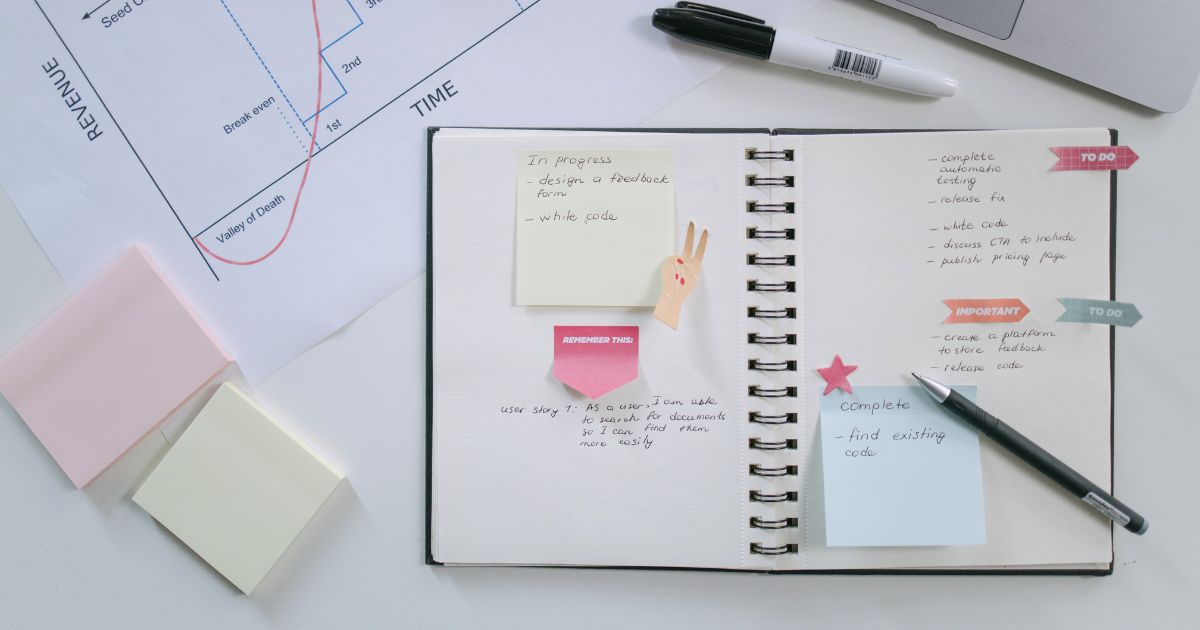
A Kanban board organises work by status, tracking what’s not started, in progress and done, making it well suited to ongoing, continuous work without a fixed end date, like client support or content production.
This flexibility is what makes Kanban genuinely popular for a small team’s day-to-day operational work, distinct from a defined project.
Matching the tool to the genuine type of work
A business likely has both kinds of work, defined projects with deadlines and ongoing operational tasks, meaning the genuinely right approach may be using each tool for its respective kind of work rather than forcing one tool to fit everything.
Trying to manage ongoing operational work in a Gantt chart, or a fixed-deadline project purely on a Kanban board, tends to feel like a mismatch in practice.
Choosing tools appropriately scaled to a small team
A small team doesn’t need enterprise-grade project management software for either approach; simple, affordable tools implementing either method well deliver genuine value without unnecessary complexity.
The Department of Small Business Development publishes digital-readiness guidance covering this kind of appropriately-scaled tool selection.
Frequently asked questions
What is a Gantt chart genuinely good for?
Projects with a defined sequence and end date, showing genuine dependencies and deadlines against a timeline.
What is a Kanban board genuinely good for?
Ongoing, continuous work without a fixed end date, tracking what’s not started, in progress and done.
Should a business choose only one of these tools?
Not necessarily; using each for its respective kind of work often fits better than forcing one tool to fit everything.
Does a small team need enterprise-grade project management software?
No, simple, affordable tools implementing either method well deliver genuine value without unnecessary complexity.
What kind of work doesn’t fit a Gantt chart well?
Ongoing operational work without a fixed end date, which tends to fit a Kanban approach better.