
Affiliate marketing is a performance-based marketing strategy where a business rewards affiliates for each visitor or customer brought by the affiliate’s marketing efforts.
Key Players
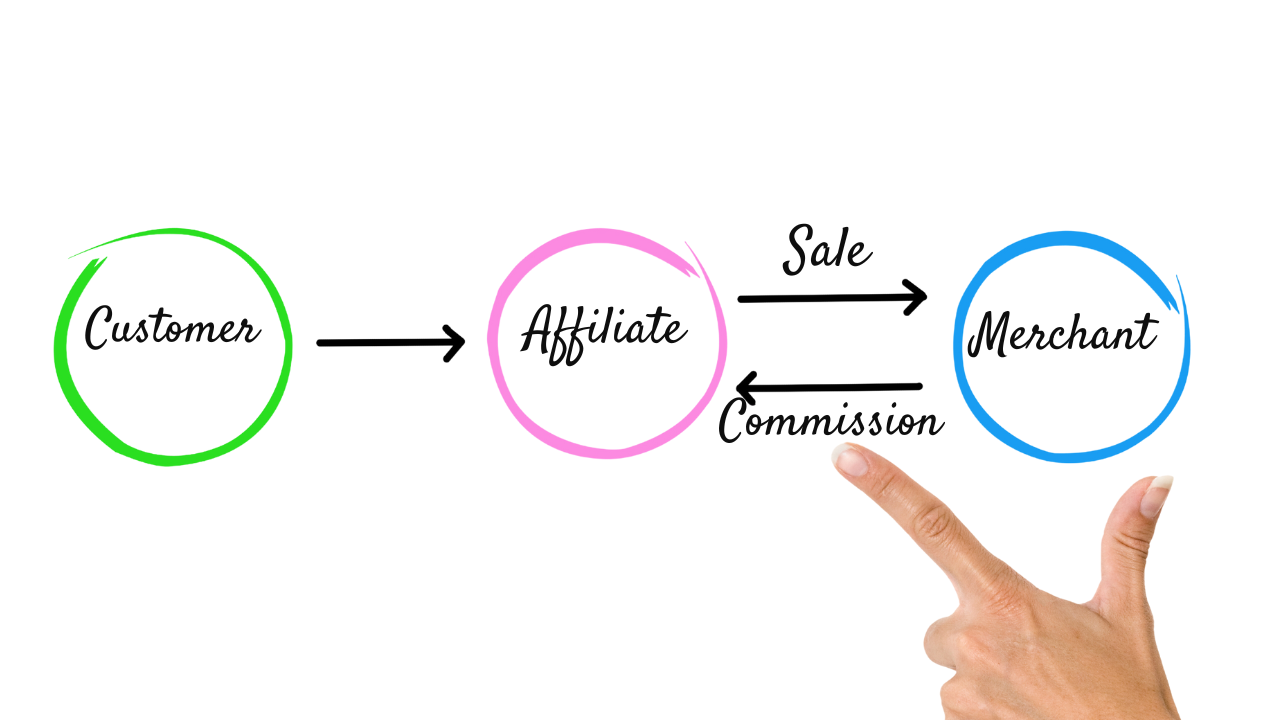
- Advertiser (Merchant): The company that creates the product or service being promoted. They offer a commission to affiliates for successful referrals.
- Affiliate (Publisher): The individual or entity who promotes the advertiser’s product or service. Affiliates can be bloggers, social media influencers, website owners, or anyone with an audience they can use.
- Customer: The end user who purchases the product or service after being referred by an affiliate.
The Process
- Affiliate Joins Program: The affiliate signs up for the advertiser’s affiliate program. This typically involves creating an account on the advertiser’s platform and agreeing to their terms and conditions.
- Affiliate Receives Tracking Links: The advertiser provides the affiliate with unique tracking links or codes. These links track the traffic and sales generated by the affiliate’s marketing efforts.
- Affiliate Promotes Products/Services: The affiliate promotes the advertiser’s products or services through various channels like their website, social media, email marketing, etc.
- Customer Clicks Link: A potential customer clicks on the affiliate’s tracking link.
- Customer Takes Action: The customer performs a desired action, such as making a purchase, signing up for a free trial, or downloading an app.
- Affiliate Earns Commission: The advertiser tracks the customer’s action through the affiliate’s unique link and pays the affiliate a commission based on the pre-determined agreement.
Benefits of Affiliate Marketing
- Cost-Effective Marketing: For advertisers, affiliate marketing offers a cost-effective way to reach new audiences. They only pay when results are achieved (sales, leads, etc.).
- Scalability: Affiliate programs can be easily scaled up or down depending on the advertiser’s needs and budget.
- Targeted Marketing: Affiliates often have niche audiences highly relevant to the advertiser’s product or service. This allows for targeted marketing campaigns.
- Increased Brand Awareness: Through affiliate promotion, brands can reach a wider audience and increase brand awareness.
- Performance-Based: Affiliates are motivated to promote products they believe in, as their income depends on successful referrals.
Benefits for Affiliates
- Monetise Existing Audience: Affiliates can use their existing audience to generate income by promoting products or services.
- Work from Anywhere: Affiliate marketing allows for remote work, offering flexibility and location independence.
- Low Barrier to Entry: Compared to starting an online business from scratch, affiliate marketing has a lower barrier to entry.
- Variety of Products/Services: Affiliates can choose to promote products or services that align with their interests and audience.
Types of Affiliate Commissions
- Pay-Per-Sale (PPS): The most common model, where affiliates earn a commission for each sale generated through their unique link.
- Pay-Per-Click (PPC): Affiliates earn a commission for every click their link receives, regardless of whether a sale is made.
- Pay-Per-Lead (PPL): Affiliates earn a commission for each qualified lead generated, such as a customer signing up for a free trial or newsletter.
- Tiered Commissions: Some programs offer tiered commissions, where affiliates earn a higher commission percentage based on the volume of sales they generate.
Affiliate Marketing Platforms
Several platforms connect advertisers and affiliates. These platforms streamline program management, commission tracking, and payment processing. Some popular examples include:
- Awin
- ShareASale
- CJ Affiliate by Conversant
- ClickBank
- Impact Radius
Getting Started with Affiliate Marketing
- Identify Your Niche: Choose a niche that aligns with your interests and expertise.
- Build an Audience: Focus on building an audience through your chosen channels (website, social media, etc.).
- Research Affiliate Programs: Look for reputable affiliate programs that offer products or services relevant to your niche.
- Join Relevant Programs: Sign up for affiliate programs that resonate with you and your audience.
- Promote Products Authentically: Promote products you genuinely believe in to build trust with your audience.
- Track Your Results: Monitor your results to see which affiliate marketing strategies are most effective.
Affiliate marketing offers a win-win situation for both advertisers and affiliates. By understanding the core principles, benefits, and strategies involved, you can use this powerful marketing technique to achieve your business goals.
