South African consumers are highly value-conscious and intentional with their spending due to persistent inflation and cost-of-living pressures. They are always on the lookout for deals, comparing prices and leveraging digital channels for convenience and savings.
To survive in an ever-changing consumer landscape, small to medium-sized enterprises (SMEs) need to adopt agile, customer-centric, and digitally driven strategies to capture and retain these cost-conscious buyers.
As consumer behaviour changes, businesses need to become more adaptable to ensure they keep their core customer base. This adaptability will also lead to SMEs being able to capture new customers and get ahead of their competition.
In this article, we look at consumer behaviour characteristics and what SMEs can do to become more agile and ensure they keep their customers.
What is Consumer Behaviour?
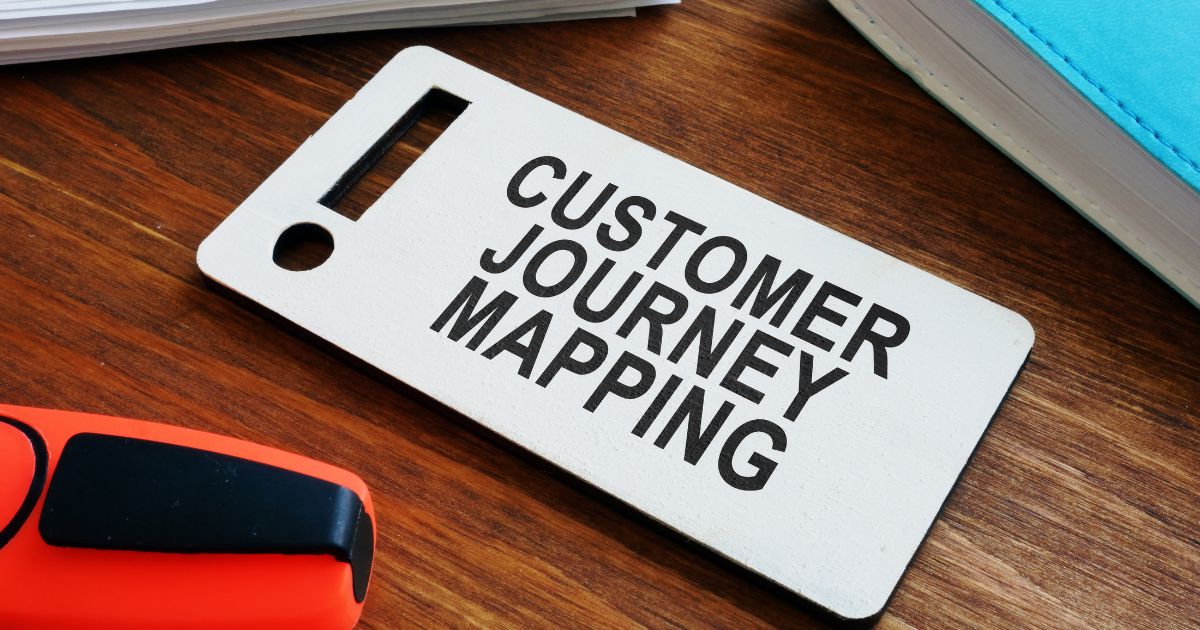
Consumer behaviour examines how individuals, groups, or organisations make decisions when choosing, buying, using, and disposing of goods and services. It covers the entire journey, from recognising a need to the final use of a product. Understanding what consumer behaviour is helps businesses create effective marketing strategies, products, and services to meet customer expectations.
Consumer Behaviour is influenced by cultural, social, personal, and psychological factors. From culture and social class to age and lifestyle, it shapes buying decisions. For example, when purchasing a smartphone, a consumer may be influenced by personal needs, online reviews, and social options before making the final choice.
Key Components of Consumer Behaviour
Understanding what consumer behaviour is requires an understanding of the various components that influence how your customers make purchasing decisions. The key components of consumer behaviour are:
1. Motivation
Motivation is the reason people buy things. It’s an internal decision on the consumer’s side and pushes them to meet their needs or wants, such as hunger, safety, happiness, or the need to feel accepted or important in a group.
2. Perception
Perception is how people see and understand things they notice, like ads or products. It happens in three steps:
- They see something (exposure)
- Focus on the item (attention)
- Try to understand the item (interpretation)
3. Learning
Learning is when people change how they act based on past experiences. They might try something because it worked well previously. Learning occurs through:
- Conditioning (associating brands with positive experiences)
- Observation (watching other consumers)
- Cognitive processes (problem-solving and reasoning)
4. Beliefs and Attitudes
Beliefs are what consumers think is the truth about a product, and attitudes are how they feel about it. If they like a brand, they’re more likely to keep buying it. If they don’t, they’ll avoid it. These beliefs and attitudes strongly shape the long-term buying behaviour of consumers.
5. Lifestyle
Lifestyle is how someone lives. This includes their interests, hobbies and opinions. Marketers use lifestyle groups to find people with similar habits and offer them products that align with them. Products that ideally fit a person’s lifestyle feel more relevant and appealing to a consumer.
6. Personality and Self-concept
Personality is what makes a person behave in a unique way, and self-concept is how they see themselves. People tend to choose products that match who they are or want to be. This is why branding often focuses on identity and self-expression to influence consumer decisions.
7. Cultural Influences
Culture is the shared beliefs and traditions of a group of people. Smaller groups, called subcultures, may have their own ways. A person’s social class, based on factors like income and job, also affects what they buy.
Strategies for Optimising Customer Experience
SMEs need to optimise their customer experience so customers don’t feel like strangers when they purchase. The following strategies can be used to improve the customer experience.
Understand Your Customers
To optimise your customer experience (CX), you first need to understand your customers’ needs, preferences and pain points. You can conduct surveys, gather feedback and analyse customer data to gain insights into their behaviour. This data will help you tailor your offerings and interactions to meet customer expectations.
Enhance Communication Channels
Effective communication is critical to a positive customer experience. Ensure that your customers can easily reach you through various channels, such as phone, email, social media and live chat. Respond quickly and professionally to any queries or complaints. This will demonstrate that you value their time, concerns and support.
Personalise Customer Interactions
Personalisation can significantly enhance the customer experience. Leverage customer data to personalise marketing messages, product recommendations, and service interactions. Address customers by their names and acknowledge their purchase history to make them feel valued and appreciated.
Streamline Processes
Simplify and streamline your business processes to make interactions with customers as smooth and frictionless as possible. This means optimising your website for easy navigation, simplifying the checkout process, providing safe payment processes, and ensuring that your customer service is efficient and effective.
Invest in Employee Training
Your employees play an important role in delivering a positive customer experience. Invest in training programmes to equip them with the skills and knowledge they need to handle customer interactions effectively. Emphasise the importance of empathy, active listening, and problem-solving.
Leverage Technology
Technology is a powerful tool and can effectively optimise your customer experience. Implement customer relationship management (CRM) systems to manage customer data and interactions. Use automation to streamline processes and improve efficiency. Consider using AI-powered chatbots to provide instant support and assistance.
Monitor and Measure Performance
Make sure you regularly monitor and measure customer experience through key metrics such as customer satisfaction scores, net promoter score and customer retention rates. Analysing this data will help you identify areas for improvement and track the impact of your optimisation efforts.
Solicit and Act on Customer Feedback
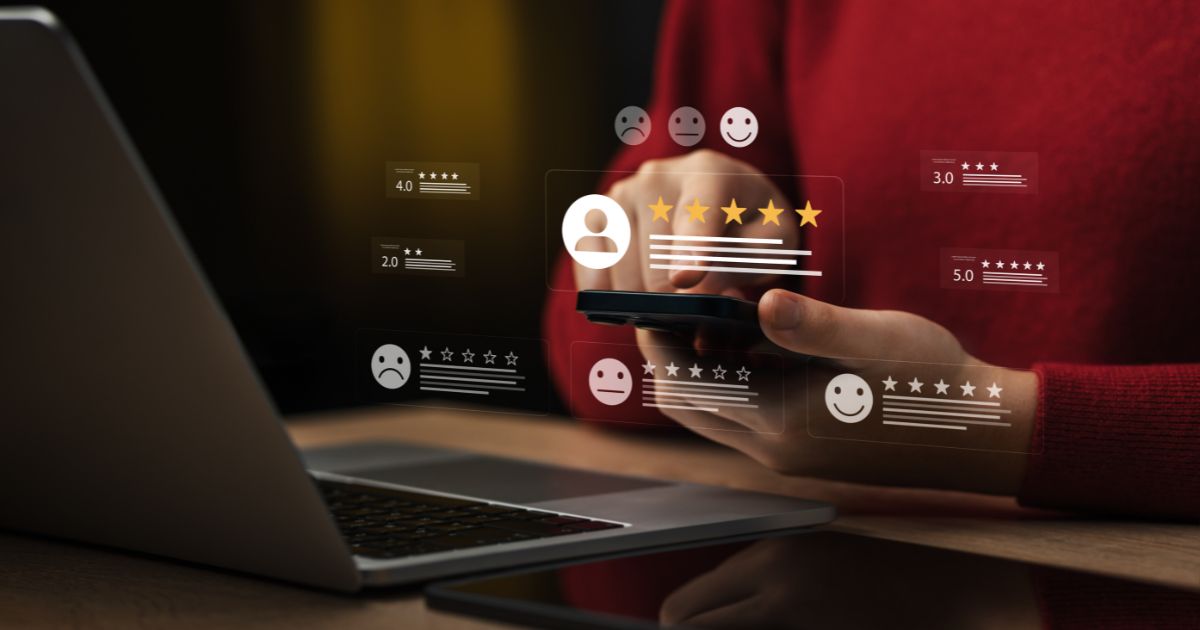
You must encourage your customers to provide feedback on their experiences with your SME. Use their feedback to identify strengths and weaknesses in your CX strategy. Act on the feedback by making necessary improvements and communicating these changes to your customers.
Create a Customer-centric Culture
Foster a customer-centric culture within your organisation. Ensure that every employee understands the importance of CX and is committed to delivering exceptional service. Also, recognise and reward employees who go above and beyond to enhance customer experience.
Always Improve
Customer experience optimisation is an ongoing process. Always look for ways to improve and innovate. Stay updated on industry trends and best practices, and be willing to adapt and evolve your strategies to meet changing customer expectations.