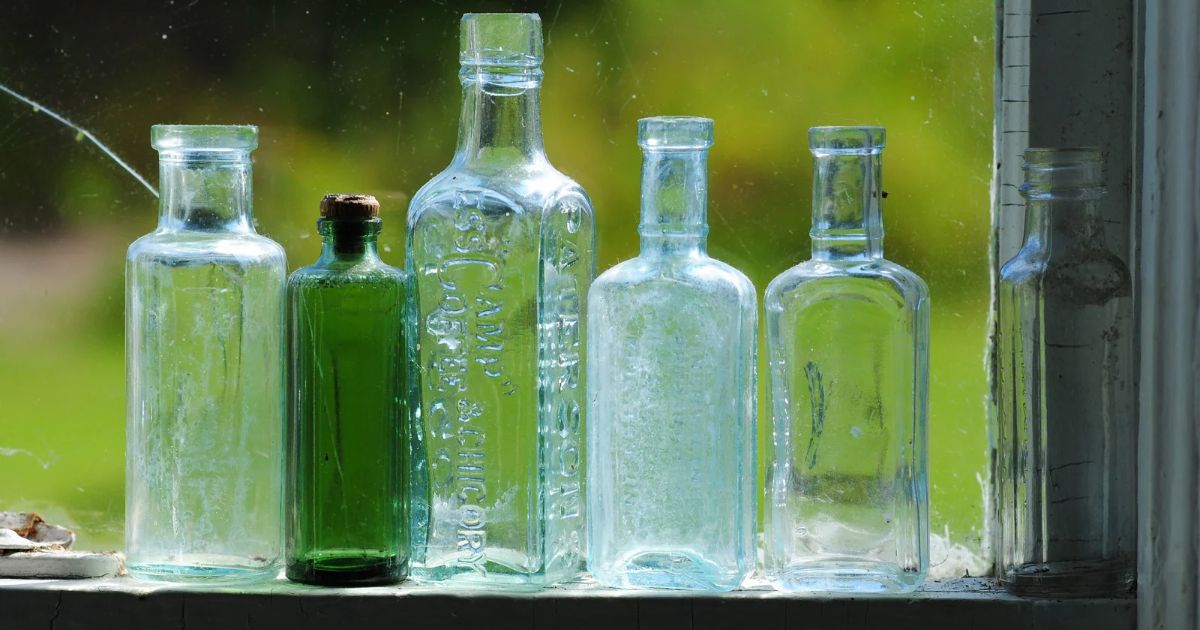
Old glass bottles are much more than waste. What the general public views as waste can be an entrepreneur’s opportunity to start a business. Recycling glass bottles isn’t just reserved for large recycling companies.
You can start a business that transforms old glass bottles into decorative items, storage containers, candle holders and other products that customers are willing to buy. For entrepreneurs looking for affordable business ideas in South Africa, refurbishing glass bottles offers an opportunity to start a small business without investing in expensive manufacturing equipment.
This business involves sourcing discarded bottles, cleaning them, redesigning them and selling the finished products.
1. Research the Market
Before collecting bottles, identify who is likely to buy your products. Potential customers include homeowners, restaurants, guesthouses, wedding planners, interior decorators and gift shops.
Each market has different requirements. Homeowners may prefer decorative vases and candle holders, while restaurants may need matching table decorations. Event planners could be interested in customised bottles for weddings and corporate functions.
Research local craft markets, online stores and social media platforms to understand popular designs and prices. This will help you identify products with commercial potential instead of investing time in items that are difficult to sell.
2. Find Affordable Glass Bottles
Sourcing materials at a low cost can improve your profit margins. Restaurants, bars, hotels and catering businesses regularly dispose of empty glass bottles and may be willing to arrange collection.
You can also approach households and community organisations to establish collection arrangements. To make production easier, have a sorting system for your material. Sort bottles according to their size, colour, shape and condition.
3. Get the Right Equipment
A small glass bottle refurbishment business does not require a large workshop. Entrepreneurs can start with basic equipment and expand as orders increase.
Essential supplies include:
- Protective gloves and safety glasses.
- Cleaning brushes and cleaning products.
- Paint, brushes and decorative materials.
- Adhesive removal tools.
- Suitable glass finishing equipment.
- Storage crates and packaging materials.
If you intend to cut bottles, invest in suitable equipment and learn the correct safety procedures. Cut edges must be professionally finished to prevent injuries.
Start with simpler products that require cleaning, painting and decoration before investing in specialised glass cutting equipment.
4. Decide What Products to Sell
Deciding which products to sell can be tricky to navigate. Product selection should be based on customer demand, production time and the cost of materials.
Some options include:
- Decorative vases: Wine and spirit bottles can be painted or decorated to create affordable home accessories.
- Candle holders: Suitable glass bottles can be transformed into decorative candle holders for homes and events.
- Bottle lamps: Larger bottles can be converted into decorative lighting products using appropriate electrical fittings.
- Kitchen storage containers: Suitable bottles can be repurposed for storing dry goods and spices, provided they meet relevant hygiene and food contact requirements.
- Event decorations: Wedding planners and event organisers may purchase customised bottles for table decorations and centrepieces.
You can start small by testing customer interest in one to three products. You can continue selling what works based on the response and the demand for your products. Then, expand your range over time if there are opportunities to do so.
5. Calculate Production Costs
A bottle collected for free is just one part of the cost reduction. You still have to factor in the costs required for the finished product. Your pricing should account for transportation, cleaning materials, paint, labour, packaging, electricity and delivery.
For example, if a decorative vase costs R45 to produce and sells for R100, the gross profit is R55 before other business expenses.
This is a simplified calculation, but it demonstrates why entrepreneurs must account for their time and materials. Customised products can attract higher prices because customers are paying for specific designs and finishes. Wholesale orders may also offer opportunities to generate consistent sales, even when the selling price per item is lower.
6. Market Your Business
Social media provides an affordable way to promote your business. Instagram, Facebook and TikTok are useful platforms for showcasing finished products and the transformation process.
Before and after photographs can demonstrate the value of your work. Create a product catalogue showing available designs, prices, sizes and customisation options.
Local craft markets and pop-up events also provide opportunities to introduce your products to customers and collect feedback.
Do not limit your marketing to individual buyers. Approach guesthouses, restaurants, interior decorators and wedding planners with a catalogue and wholesale pricing. Additionally, building relationships with regular commercial buyers can provide more predictable income than relying entirely on individual sales.
7. Understand Legal and Safety Requirements
Entrepreneurs should check local municipal requirements before operating a glass refurbishment business from home or establishing a larger workspace.
South Africa’s National Environmental Management: Waste Act regulates certain waste management activities. Licensing requirements depend on the nature and scale of the activity, so check with the relevant environmental authority before collecting or processing waste commercially.
Food safety also matters. Not every bottle is suitable for storing food or beverages, even after cleaning. Only sell containers for food use when their suitability and hygiene requirements have been established. Certain products like lighting products and candle holders should be tested for safe use.
8. Expand Your Business Through Partnerships
Once the business has regular customers, consider partnerships that can increase sales without requiring significant investment.
For example, you could create customised pieces for corporate gifting opportunities. You could also teach others by introducing paid workshops where people learn how to decorate and reuse glass bottles.
Turning Old Glass Bottles Into a Business
Refurbishing old glass bottles offers an accessible business opportunity for entrepreneurs interested in creative manufacturing and sustainable products. However, in order to succeed, you must treat it as a commercial operation rather than a hobby.
Start with a small product range, identify reliable suppliers and test demand before increasing production. Focus on quality, practical designs and customers who are willing to pay for customised products.