For many small to medium-sized enterprises (SMEs), knowing how to leverage the correct digital platforms for your business can be significant to its growth. Digital platforms range from anything such as social media to blogging platforms, which can help businesses access markets, do low-cost marketing and gain new revenue streams. One such platform is Substack.
What Is Substack?
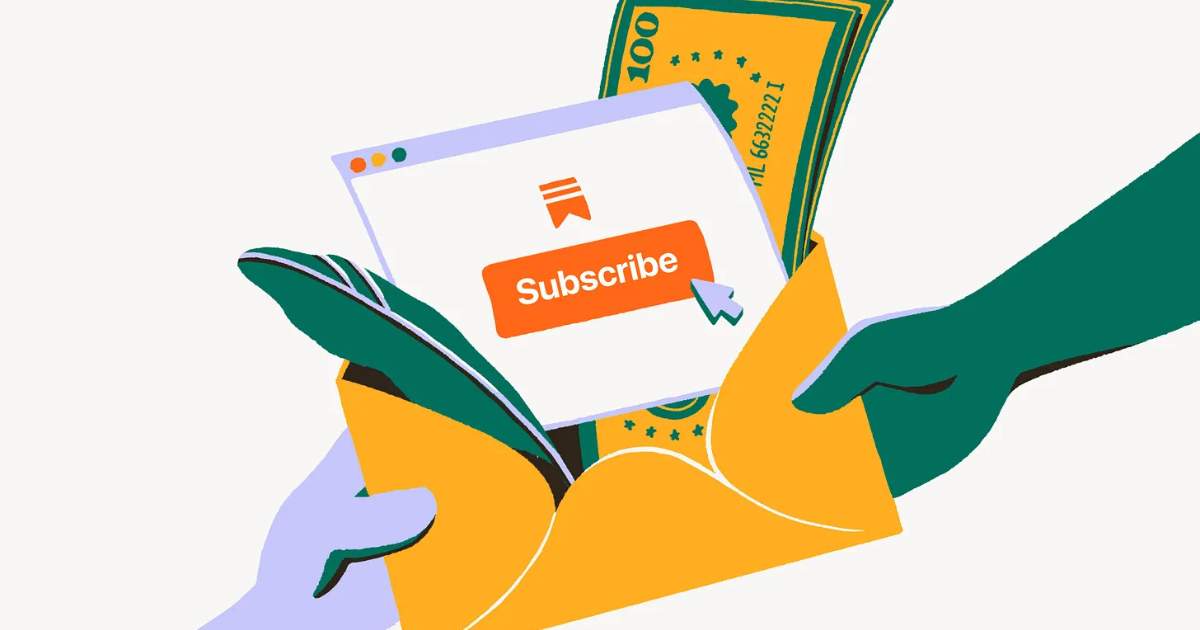
Substack is a publishing platform where users can build an online presence and earn money by selling paid subscriptions for their content, which can include newsletters, podcasts, and videos. While the platform is primarily text-based, it offers four main formats for posts: text-based posts, podcasts, discussion threads, and videos.
In this article, we look at how Substack works and how it can be leveraged as a marketing tool for SMEs.
How Does Substack Work?
The main function of Substack is connecting the creator and the consumer through a combination of features of a blog and an e-mail newsletter. Users can use the platform for personal writing or news and send digital newsletters directly to a reader’s inbox.
For SMEs, it enables them to send exclusive content directly to subscribers via e-mail, with the option to offer free or paid subscriptions. This helps build and maintain customer relationships by providing consistent value, with a portion of the revenue from paid subscriptions helping to fund the business.
Pros and Cons of Using Substack
Some of the pros and cons of Substack are:
Pros
- Easy to use: The platform is user-friendly, allowing creators to focus on writing and publishing without dealing with complicated tech or hosting.
- Direct monetisation: Substack enables creators to directly charge for their content through subscriptions, with built-in payment processing.
- Reader connection: E-mails sent via Substack are sent directly to subscribers’ inboxes, bypassing algorithms and ensuring content is seen by those who have opted in.
- Content ownership: Any content posted on Substack is retained by the user as well as the subscriber list.
- Community building: Substack allows for comments and chat features, enabling users to build and foster a community among subscribers.
- Cost-effective: Substack is free to use until you have paying subscribers, then the platform takes a 10% cut.
Cons
- Limited customisation: The design and layout options are very limited, providing little creative control over the look of their website.
- Basic e-mail features: Substack lacks advanced email marketing tools such as automation, list segmentation, personalisation, and A/B testing.
- No API integration: Substack has no API, which means users cannot integrate it with other platforms and tools.
- No ad platform integration: You cannot use your subscriber data to run ads on platforms like Meta or Google.
- Platform dependency: Users are subject to Substack’s decisions regarding features, pricing, and content policies since it’s a “rented space”.
How Substack Can Drive Revenue to Your SME
Here are three ways in which Substack can add extra revenue to your SME.
1. Paid Newsletter Subscription
If you have a Substack newsletter, you can monetise it through a paid subscription. Once you’ve built a substantial subscriber base, this could become consistent and recurring revenue for your business. Keep the following in mind:
- Set clear expectations upfront to your readers about what they can expect from your newsletter.
- Provide value in the form of exclusive insights, premium advice or access to special promotions to make the subscription fee worthwhile for your readers.
- Substack takes a 10% commission on paid-for newsletters. You need to consider this when setting your subscription fee.
2. Drive Sales to Your Main Business
Substack can increase leads and sales to your business because it provides you with features that help to build trust with customers, drive traffic to your website, and increase visibility on what your business offers.
3. Build An Engaged Community
It’s critical to remember that Substack is primarily there to help you build a loyal community with your audience. Keep these in mind when engaging with your audience:
- Read and respond to your readers’ comments and ask them what they would like to hear more about. This will help you develop a strong content strategy.
- Be authentic and transparent in terms of the content you share. You can do this by sharing personal stories, insights into your business, customer stories and case studies.
- Aim to communicate with your readers at least once a week. Consistency will help build trust with your readers, and they will know when to expect your content.
How to Set Up Your Substack for Marketing Success
Before creating Substack, content and sending it to your readers, consider the following:
1. Define Clear Marketing Objectives
You need to set out your marketing objectives. Figure out if you are looking to:
- Expand your brand reach and awareness
- Enhance your lead generation assets and land a certain number of new customers
- Become a thought leader in your industry or niche
- Generate a consistent stream of income from your Substack
2. Identify Your Audience
You need to have a good understanding of who you are communicating to and why, to ensure your content is tailored to the interests, needs, and/or motivations of your audience. Additionally, explore your fellow competitors’ Substack pages to gain insights into what might interest or inspire your target audience.
3. Focus On Your Design and Branding
Although Substack doesn’t allow for much customisation, you can still customise your page to align with your own branding. The customisation features on the platform are limited; many users leverage design platforms like Canva to create brand-aligned visual assets. Aligning your Substack’s appearance with your overall brand identity will boost awareness and improve engagement.
Substack is a great tool for SMEs looking to expand and improve their marketing efforts. With its accessible and simple interface and direct-to-consumer model, Substack is a great platform for SMEs seeking low-cost yet effective marketing.