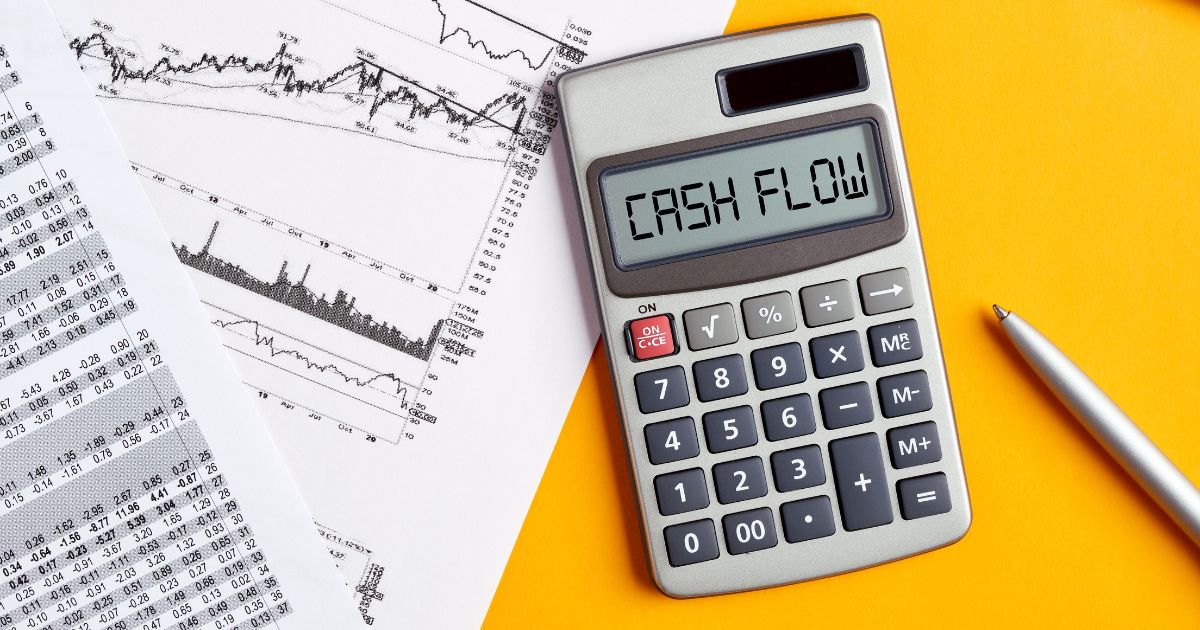
Digital tax-filing platforms that pair automated software with personalised, human-style guidance, like TaxTim’s approach to helping South Africans file returns and understand their own tax position, have made professional-grade tax efficiency advice accessible to ordinary taxpayers who couldn’t previously afford a dedicated tax practitioner.
How automated tax health analysis works
Rather than simply helping someone complete and submit a return, this kind of platform analyses a taxpayer’s actual return data to generate specific recommendations for improving tax efficiency, maximising legitimate deductions and reducing overall tax liability going forward. Producing a clear, actionable report rather than a raw data dump makes this kind of analysis genuinely usable by taxpayers without any accounting background.
Why accessible tax technology matters for individuals and small businesses
Many taxpayers, including small business owners filing personally, have historically either overpaid tax through missed deductions or under-optimised their tax position simply because professional tax advice felt inaccessible or unaffordable. A platform that scales personalised, practical tax guidance affordably closes that gap, and can also serve as a useful trigger point for knowing when a situation is complex enough to genuinely warrant a professional tax practitioner’s involvement.
What taxpayers and small business owners should do each tax season
Using a digital tax platform consistently year after year, rather than only in isolated years, allows a taxpayer to track and improve their own tax efficiency over time using a comparable, ongoing measure. Taxpayers with genuinely complex situations should still use this kind of tool as an initial diagnostic, then bring the resulting report to a qualified tax practitioner for anything the automated analysis flags as requiring deeper professional input.
Frequently asked questions
What does an automated tax health analysis actually provide?
Specific recommendations for improving tax efficiency, based on an in-depth analysis of a taxpayer’s own return data.
Who benefits most from accessible digital tax-filing platforms?
Individuals and small business owners who’ve historically found professional tax advice unaffordable or inaccessible.
Can a digital tax platform replace a professional tax practitioner entirely?
Not for genuinely complex situations; it works well as an initial diagnostic that can then inform a conversation with a qualified practitioner.
Why does using a tax platform consistently each year matter?
It allows a taxpayer to track and improve their own tax efficiency over time using a comparable, ongoing measure.
Is this kind of tool suitable for both simple and complex tax situations?
It’s generally well-suited to simpler returns, and useful as a first diagnostic step even for more complicated tax matters.
Originally published in July 2018. Updated September 2026.
Tax compliance guidance via the South African Revenue Service.