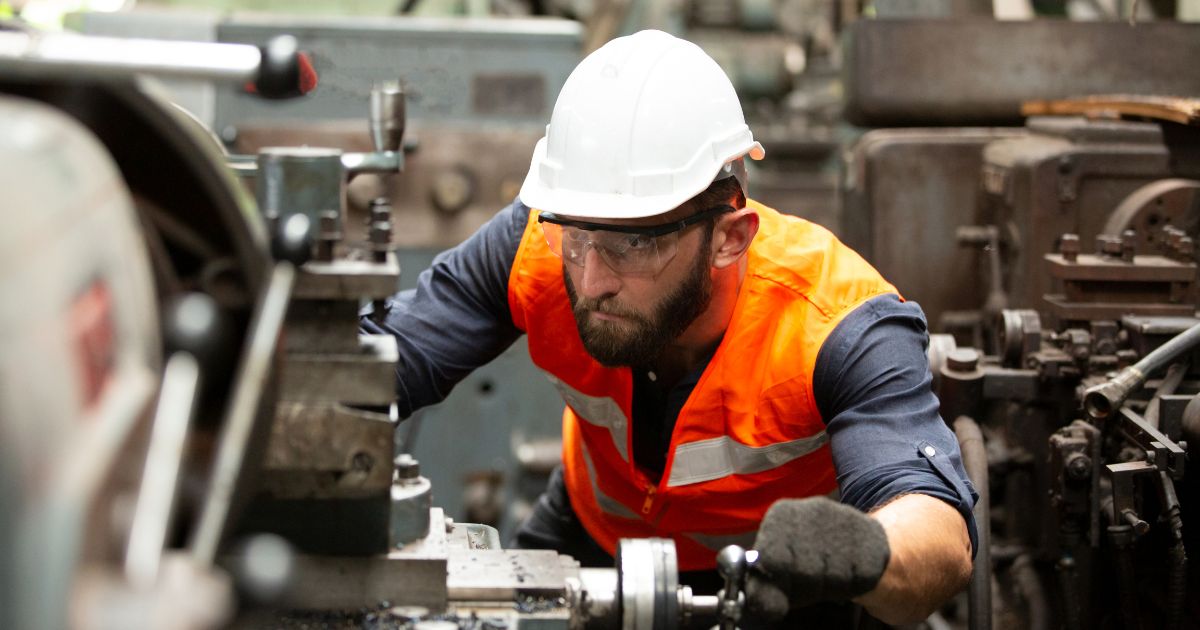
Running a factory in South Africa comes with more than just production targets and deadlines; it comes with a duty of care. Every day, employees operate heavy machinery, handle hazardous materials, and work in environments where a single oversight can lead to serious injury or worse. For small to medium-sized enterprise (SME) factory owners, safety cannot be an afterthought; it must be built into the daily rhythm of the business.
A well-structured factory safety checklist is one of the most practical tools an SME can use to protect its workforce and stay compliant with South African occupational health and safety regulations. It helps identify hazards before they become incidents, ensures equipment is properly maintained, and keeps staff accountable for following correct procedures.
Beyond compliance, it also protects your business from costly downtime, legal liability, and reputational damage.
In this article, we break down the essential checkpoints every factory owner or manager should include when developing a safety checklist tailored to their operation.
What is a Factory Safety Checklist?
A factory safety checklist is a structured inspection tool used to identify hazards, ensure compliance with health regulations, and protect workers in a manufacturing environment. It typically covers machine guards, fire safety, and personal protective equipment (PPE).
The Purpose of Workplace Safety Inspections in Manufacturing
Manufacturing workplace inspections are vital tools for identifying and addressing potential hazards, ensuring compliance with safety regulations, and promoting a safe and healthy working environment. Key purposes include:
1. Gather Employee Feedback
Inspections provide an opportunity for workers and supervisors to express concerns or identify potential hazards that may not be immediately apparent. This input is invaluable for identifying and addressing issues that can impact workplace safety.
2. Enhancing Job Understanding
Through inspections, employers can gain a deeper understanding of the tasks and processes involved in manufacturing operations. This information can help identify potential hazards associated with the specific jobs and develop targeted safety measures.
3. Identify Hazards
Inspections are essential for identifying both existing and potential hazards in the workplace. This includes evaluating equipment, materials, work practices, and the physical environment to identify any safety risks.
4. Determine Root Causes
By investigating identified dangers, employers can determine the underlying causes that contribute to safety risks. This information is crucial for developing effective corrective actions and preventing similar incidents from happening in the future.
5. Recommend Corrective Actions
Based on inspection findings, employers can recommend appropriate corrective actions to eliminate hazards or control risks. This may include implementing engineering controls, administrative controls, policies, procedures, or personal protective equipment.
6. Monitor Safety Measures
Regular inspections allow employers to monitor the effectiveness of implemented safety measures. This involves verifying that engineering controls are functioning as intended, administrative controls are being followed, and policies and procedures are being adhered to. Additionally, inspections can ensure that personal protective equipment is being used properly and is in good condition.
Critical Components of a Factory Workplace Safety Checklist
A comprehensive and well-thought-out workplace safety checklist for manufacturing operations must include the following key areas:
Machinery, Equipment and Tools
- Inspect for Malfunctions and Damage: Check all machinery, equipment, and tools for signs of wear, damage, or malfunction.
- Evaluate Workplace Environment: Make sure that the workplace environment is safe and free of hazards, such as tripping hazards, electrical hazards, or excessive noise.
- Examine Tools and Machinery: Inspect all tools and machinery for defects, including loose parts, damaged cords or inadequate guarding.
- Verify Maintenance and Safety: Ensure that all machinery is properly maintained, lubricated, and guarded as required to prevent accidents.
Materials
- Proper Storage and Labelling: Verify that all materials are stored in designated areas, labelled correctly, and handled in accordance with safety guidelines.
- Inspect for Deterioration and Contamination: Check materials for any signs of damage, deterioration or contamination that could pose a safety risk.
- Adhere to Safety Regulations: Make sure that materials are handled and stored in compliance with all applicable safety regulations.
- Avoid Heat Sources: It’s important to store materials away from heat sources to prevent fires or explosions.
Storage Areas
- Ventilation and Organisation: Ensure that storage areas are well-ventilated and free of clutter to prevent accidents and hazards.
- Inspect for Damage and Hazards: Check all storage areas for signs of water damage, fire hazards, or other safety risks.
- Identify Hazardous Materials: Verify that any hazardous materials and waste are properly stored, labelled, and handled according to regulations.
- Secure and Lock: It’s important that you ensure that storage areas are properly secured and locked to prevent unauthorised access.
- Organise for Efficiency: Arrange storage areas to facilitate easy access and efficient retrieval of materials.
Emergency Exits
- Clear and Unobstructed: Check that all the emergency exits are clearly marked, visible and unobstructed at all times.
- Proper Marking and Accessibility: Ensure that emergency exits are clearly marked and easily accessible from all areas of the workplace.
- Free of Hazards: Verify that all emergency exits are free of hazardous materials or obstructions that could hinder escape.
- Test Alarms: Regularly test emergency exit alarms to ensure that they are working properly.
Lighting
- Inspect for Issues: Check all factory lights for flickering, dimming or other issues that can affect visibility.
- Adequate Illumination: Make sure that lighting levels are sufficient for all tasks and meet workplace safety standards.
- Avoid Glare and Shadows: Inspect lights for glare or shadows that could create hazards or impair visibility.
- Distance from Heat Sources: You must install lighting fixtures away from heat sources to prevent damage or fire hazards.
Fire Prevention
- Available and Maintained Equipment: Ensure that fire safety equipment, such as fire extinguishers, smoke detectors, and alarms, is readily available and properly maintained.
- Inspect for Malfunctions: Check all fire safety equipment for any signs of damage or malfunction.
- Proper Placement and Labelling: Verify that all fire extinguishers are placed in the appropriate locations, labelled correctly, and of the correct type.
- Emergency Lighting: Ensure that emergency lighting is installed and working properly to guide employees during a power outage.
Workplace safety in manufacturing is not just about compliance; it’s a critical component for the protection of your workforce and maintaining operational efficiency.